

Pacific Island communities have brewed and consumed kava for generations. These days, the plant shows up in a different form — liquid drops and tinctures that fit more easily into a modern routine. If you’re weighing your options among natural botanicals, it’s worth comparing kava to other popular choices like ashwagandha before deciding what suits you.
The market for kava extracts is expanding fast, with projections showing growth from roughly $1.6 billion to $5.45 billion by 2032. Much of that growth traces back to one format in particular: liquid extracts.
This guide covers what you need to know about kava drops and tinctures — how they’re made, why they work differently than powder, and how to use them sensibly.
What Kava Drops and Tinctures Actually Are
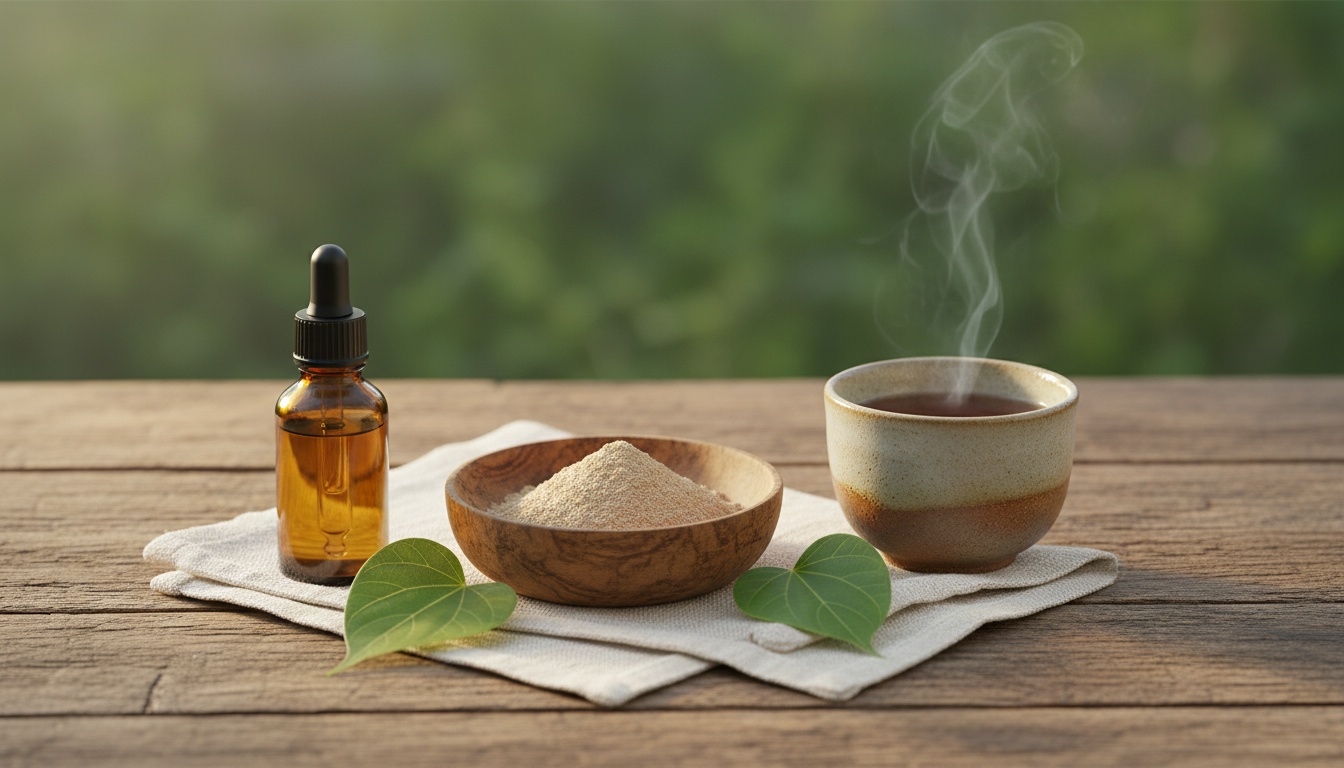
Kava drops and tinctures are concentrated liquid extracts pulled from kava root. They contain the same active compounds found in traditional kava powder, just in a form your body absorbs more readily.
Producers typically use ethanol or CO2 to draw out kavalactones — six compounds responsible for kava’s signature effects.
Drops usually come in small dropper bottles for easy, precise dosing. Tinctures work similarly, though concentrations can vary slightly between products.
Both skip the soaking, straining, and gritty texture that turn many newcomers away from traditional kava powder. It’s a similar shift to what’s happened with kratom, where extracts now offer a faster alternative to raw powder for people with less time to spare.
Why Liquid Extracts Outperform Powder
When you drink kava powder, your digestive system has to break down plant fiber before it can access the active compounds. That takes time and limits how much actually gets absorbed.
Liquid extracts skip that step. The kavalactones are already isolated and ready for your body to use.
Research on full-spectrum extracts — ones that preserve the complete kavalactone profile — shows a striking jump in absorption. Kavain uptake reportedly increases around 200%, while yangonin absorption can jump by as much as 2000%.
Scientists attribute part of this to an “entourage effect,” where the various kavalactones help each other absorb more efficiently when taken together in their natural balance.
Practically speaking, this means effects often start within 15 to 30 minutes, compared to an hour or longer with traditional powder.
How to Use Kava Drops
Start with whatever serving size the manufacturer recommends — usually one to two full droppers.
For the fastest results, place drops under your tongue and hold them there for 30 to 60 seconds before swallowing.
If the taste bothers you, mix the drops into juice or tea. Some people prefer using a mild herbal tea as a base to soften the earthy flavor.
Taking kava on an empty stomach intensifies the effects, but it can also cause nausea in some people. A light snack beforehand often smooths things out.
Give it at least an hour before considering another dose. Because these extracts are concentrated, a small amount goes further than you’d expect from powder.
When People Typically Use It
Evening relaxation is the most common reason people reach for kava drops — the fast onset lets you time your dose closer to when you actually want to unwind.
Some use it during the day to manage stress, since a modest dose can help reset your mood without making you drowsy.
Social settings are another common use, echoing kava’s traditional role as a social drink across Pacific cultures — something you can still see reflected in kava bars found in cities across the U.S.
A smaller group uses light morning doses for focus, though pairing kava with caffeine takes some experimentation to get right. If you’re looking into natural options for energy rather than relaxation, it helps to compare different tincture types made specifically for that purpose.
Why Quality Matters More With Extracts
Concentration amplifies whatever is in the source material — good or bad. High-quality kava root produces a clean, effective extract. Poor-quality root just means a more concentrated problem.
Look for brands that publish third-party lab results verifying kavalactone content and screening for contaminants. At Amazing Botanicals, every product goes through rigorous testing before it reaches customers.
Kava sourced from established Pacific Island growers, particularly wild-harvested varieties, tends to have a stronger and more balanced kavalactone profile than mass-cultivated alternatives. If you’re new to kava, it helps to learn what separates noble kava from lower-quality varieties before buying.
GMP-certified processing is another good sign of quality control. Amazing Botanicals follows AKA GMP-qualified standards to keep every batch consistent. A well-run extraction process should also filter out unwanted plant material while keeping the beneficial compounds intact.
CO2 extraction tends to preserve a broader range of compounds, while ethanol extraction offers solid results at a lower cost. If a company doesn’t disclose its extraction method, that’s a red flag.
What to Watch Out For
Be cautious of any seller promising specific effects or guaranteed results. Reputable companies focus on transparency and education, not marketing hype.
Never mix kava with alcohol — both act on similar brain receptors, and combining them can produce unpredictable results.
If you’re on medication that affects liver function, talk to a healthcare provider before trying kava.
Pregnant or nursing individuals should avoid kava altogether.
And don’t drive or operate machinery after taking it — kava can slow reaction time and affect coordination.
Understanding Labels and Dosing
Good tinctures list kavalactone content, either as a percentage or in milligrams per serving. That information lets you compare products fairly and stay consistent with your dosing.
Most tinctures fall somewhere between 50 and 150 milligrams of kavalactones per serving. Even experienced kava users should start at the lower end when switching to a liquid form.
Alcohol-based tinctures usually taste stronger but may hold onto compounds better over time. Glycerin-based versions taste milder but can be slightly less potent.
Check expiration dates too — light and heat break down kavalactones over time, so store bottles somewhere cool and dark.
Weighing the Cost
Kava drops cost more upfront than powder, but you often get more value per dose because you need so little.
A single one-ounce bottle can provide 30 to 60 servings, depending on how you dose.
There’s also a convenience factor — no soaking, straining, or cleanup, and dosing stays consistent every time. That saves both time and product waste.
If you find a tincture that works well for you, buying in bulk or wholesale quantities can bring the price down further.
Switching From Powder to Liquid
If you’re used to kava powder, expect a different rhythm. Liquid extracts act faster and can feel more intense at the same dose.
Start with half your usual serving to see how your body responds. You can always add more, but you can’t take back what you’ve already swallowed.
Keeping a simple log — dose, time, and how you felt — for the first couple of weeks helps you dial in what works best.
Most people find that once they adjust their expectations, liquid kava becomes the more convenient and consistent option.
Final Thoughts
Kava drops and tinctures bring a centuries-old botanical into a format that fits modern life. They keep the traditional experience intact while cutting out the prep work that often gets in the way.
Because these products are concentrated, quality control matters even more than with powder. Stick with lab-tested products from companies that value transparency over big promises. If you’re curious about other plant-based options, botanicals like Blue Lotus offer another avenue worth exploring.
Start with a small dose, be patient as you learn your response, and adjust based on what actually works for your body and routine.
Quick FAQ
How long do the effects last?
Usually two to four hours, depending on dose and individual metabolism.
Can I use kava drops every day?
Many people do, but taking occasional breaks helps maintain effectiveness over time.
Do they taste unpleasant?
Most have an earthy, slightly bitter flavor. Mixing with juice or tea helps mask it.
How much should a beginner start with?
Try half the recommended dose — typically around 0.5 to 1 dropper full.
Are drops stronger than powder?
Yes. The concentrated form delivers more kavalactones per serving with better absorption.
Can I bring kava tinctures when traveling?
Small bottles travel well, but check local regulations at your destination — the legal status of kava, like other botanicals, varies by location.