


Most people who buy kratom online never see an actual lab report. They read a strain description, place an order, and hope the powder in the bag matches what the listing promised. Yellow Vietnam kratom is a useful case study here, because it’s unusually complex — containing up to 40 different alkaloids — which means there’s more that can go wrong between the farm and your mailbox, and more that a careless vendor can get away with hiding.
This article walks through what makes Yellow Vietnam different, why quality verification matters so much for a strain like this, and how to build better buying habits regardless of which strain you choose. We carry both Yellow Vietnam Kratom Capsules and Yellow Vietnam Kratom Powder, and you can browse our kratom capsules here at Amazing Botanicals.
Where Yellow Vietnam actually comes from
Despite the name, Yellow Vietnam isn’t a distinct vein color the way red, white, and green are. The yellow tint comes from blending White Vietnam with Red Vietnam, and sometimes Green Vietnam gets mixed in too. That blending process takes more skill and tighter quality control than simply harvesting and drying a single-vein leaf.
People who use Yellow Vietnam often describe it as balanced — steady energy without feeling wired, paired with mood lift and stress relief. That dual character tracks with its wider alkaloid range. But more alkaloids also means more variables a vendor has to manage correctly, and more room for something to slip.
The quality problem nobody talks about
Here’s a number worth sitting with: roughly 15 to 25% of kratom entering the United States fails microbial testing. On top of that, there have been documented cases of forged lab certificates circulating in the industry. Some brands advertise testing they never actually perform. This isn’t a niche problem — it runs across the whole market — but a strain as intricate as Yellow Vietnam tends to expose it faster, because there’s simply more that can be tested and verified.
How to actually verify quality
Third-party lab testing is still the best tool you have. Look for a certificate that breaks down alkaloid content, screens for microbial contamination, and checks for heavy metals. A legitimate certificate will list a batch number that matches the product you received — not a generic document copied across every listing.
Supply chain transparency matters just as much. Kratom that’s wild-harvested from established farms in Indonesia tends to be more consistent than mass-produced alternatives. Facilities with GMP certification add another layer of assurance, since it means the processing follows documented quality standards rather than ad-hoc practices.
A market growing faster than its standards
Analysts project the kratom market could reach $15.92 billion by 2032, with bigger companies entering the space and pushing toward more standardization. That’s mostly good news — larger players tend to bring more rigorous quality control with them. But rapid growth also draws in vendors chasing volume over care, and the distance between the best and worst products on the market keeps stretching.
Storage matters as much as sourcing
Good kratom can still go bad if it’s handled poorly after harvest. Vendors who care about quality use sealed, climate-controlled storage and rotate stock so nothing sits too long. For a deeper look at avoiding contamination, see our piece on avoiding contaminants in kratom, and for background on why this matters chemically, check out our guide to kratom alkaloids.
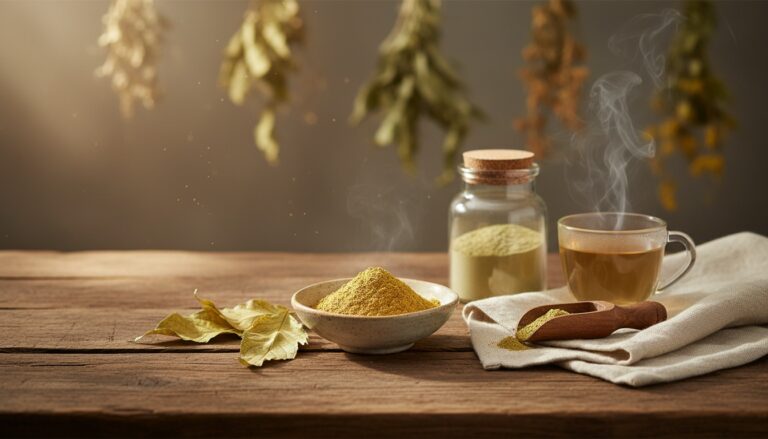
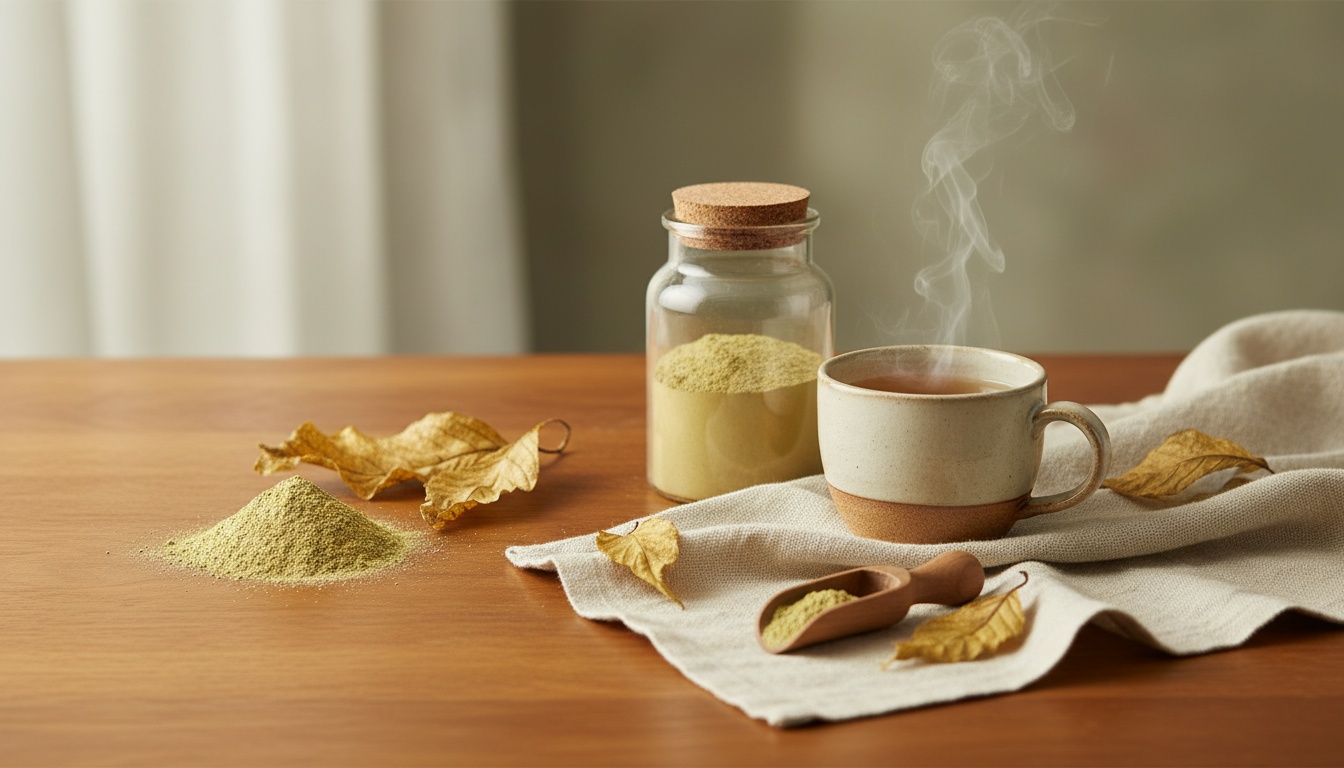
You can often spot quality just by looking at the powder. Fresh kratom has a vibrant color and a fine, consistent texture. If it looks dull, clumps together, or seems off-color, that’s usually a sign of age or poor handling somewhere along the way.
How much Yellow Vietnam to start with
Because of its alkaloid complexity, it’s worth starting small — many users find 1 to 2 grams a reasonable starting point, adjusting from there based on how it feels. Its balanced profile means some people use it across the day rather than at one specific time, but tolerance varies a lot from person to person. Keeping notes on timing and effects helps you figure out what actually works for you.
Warning signs to watch for
A few things should make you pause before buying:
- Vendors making specific wellness claims or guaranteeing effects — responsible sellers stick to language like “commonly associated with” or “many users report”
- Lab reports that are missing, vague, or clearly generic
- Sourcing information that’s thin or impossible to verify
- Prices well below what similar products typically cost
Any one of these on its own might not mean much, but a cluster of them is a strong signal to look elsewhere.
A simple framework before you buy
Before ordering from a new vendor, run through a short checklist: confirm third-party testing exists, check that batch numbers on the certificate match the product, look into the vendor’s reputation, and ask how they store their inventory. When trying something new, start with a small quantity rather than a bulk order. Quality tends to show up quickly — in the color, the texture, and how consistent the effects are from one order to the next.
Where the industry seems to be headed
As the market matures, testing and transparency are likely to become baseline expectations rather than a selling point. Vendors investing in that now are setting themselves up better for the long run. Buyer awareness plays a real role in this shift — the more people know what to look for, the more pressure vendors face to actually deliver it.
Yellow Vietnam works well as a test case precisely because it’s harder to get right. A vendor that handles a strain this complex properly is probably applying the same care across their whole catalog.
What to do before your next order
Ask for lab certificates before you buy, not after. Compare alkaloid profiles across batches if a vendor makes that information available. Look into how a company sources and stores its product. Quality kratom usually costs more upfront, but it pays off in consistency and reduced risk over time. Every purchase you make that rewards transparency over rock-bottom pricing pushes the industry a little further in the right direction.
Frequently Asked Questions
What is Yellow Vietnam kratom?
A blend of White and Red Vietnam varieties (sometimes with Green Vietnam), known for a complex alkaloid profile of up to 40 compounds.
How much Yellow Vietnam should I start with?
Around 1-2 grams is a common starting point, adjusted based on individual response.
What makes Yellow Vietnam different from other strains?
Its blended processing and wider alkaloid range give it a reputation for balanced, non-overstimulating energy along with mood and stress benefits.
How can I verify kratom quality?
Check for third-party lab certificates covering alkaloid content, microbial safety, and heavy metals, with batch numbers matching your product.
What percentage of kratom fails quality testing?
Roughly 15-25% of kratom entering the U.S. fails microbial testing standards.
What are red flags when buying kratom?
Guaranteed effects, missing or vague lab reports, unclear sourcing, and prices well below the market average.
How should quality kratom look and feel?
Vibrant color and fine texture. Avoid powder that’s dull, clumpy, or discolored.
Why does Yellow Vietnam cost more than regular strains?
The blending process is more labor-intensive and requires tighter quality control than single-vein kratom.
Can I use Yellow Vietnam throughout the day?
Many people do, given its balanced profile, though individual tolerance varies.
What storage practices should vendors use?
Sealed containers, climate control, and regular stock rotation to keep the product fresh.