





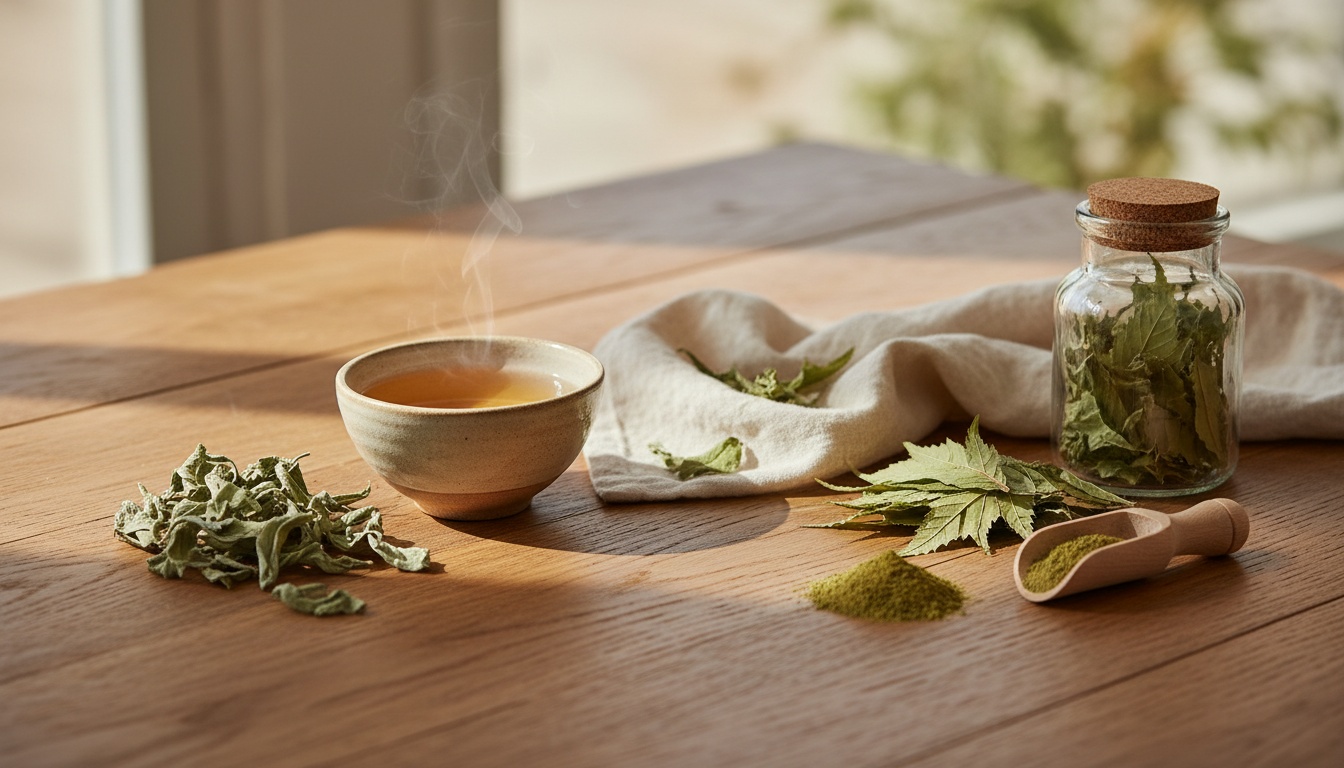
Interest in plant-based supplements keeps growing, and two botanicals keep coming up in that conversation: Kanna and Kratom. They’re often mentioned in the same breath, but they come from different parts of the world, work through different mechanisms, and suit different purposes. If you’re trying to decide between them—or wondering whether you need either one—it helps to understand what actually sets them apart.
Where They Come From, and What’s Inside Them
Kanna, known botanically as Sceletium tortuosum, is a succulent native to South Africa. Indigenous communities there have used it for generations, primarily for its mood-related effects.
Kratom comes from Southeast Asia. Its scientific name, Mitragyna speciosa, is less familiar to most people, but the plant itself has become a major point of discussion in Western wellness circles over the past decade.
The real difference between them comes down to chemistry. Kanna’s active compounds, mesembrine and mesembrenone, work mainly on serotonin levels in the brain. Kratom’s key alkaloids, mitragynine and 7-hydroxymitragynine, interact with a different set of receptors entirely. That’s why the two plants, despite both being called “botanicals” and both showing up in the same supplement aisle, produce such different experiences.
What People Actually Feel
Reports from Kanna users tend to cluster around a few themes:
- Better mood and more ease in social situations
- Sharper focus and mental clarity
- A calm feeling that doesn’t come with drowsiness
Kratom’s effects shift more depending on how much you take and which strain you use:
- Lower doses are often linked to more energy and alertness
- Higher doses tend to bring on relaxation and physical relief
- Mood lift, similar to Kanna, though through a different pathway
If energy is what you’re after, it’s worth looking into which kratom strains are typically associated with that effect before buying anything. And keep in mind that no two people respond exactly the same way—body chemistry, tolerance, and dosage all play a role.
The Legal Picture Isn’t the Same for Both
This is one area where Kanna and Kratom diverge sharply. Kratom’s legal status is inconsistent—some countries allow it freely, others have banned it outright, and plenty of U.S. states are still working through the question. Indiana, for instance, has seen ongoing debate over how to regulate it.
Kanna faces far less legal friction. It’s permitted in most countries and doesn’t carry the same regulatory baggage. That said, laws change, so checking your local rules before buying either plant is just good practice.
Why Lab Testing Should Be Non-Negotiable
Regardless of which plant you’re considering, quality control matters more than almost anything else. Look for suppliers who back up their products with real testing, not just marketing claims.
A trustworthy vendor should offer:
- A Certificate of Analysis (COA) for every batch they sell
- Clear details on where the plant material comes from and how it’s processed
- Honest information about risks and appropriate use
If a company can’t or won’t provide this, that’s a red flag worth taking seriously.
Picking a Format That Works for You
Both plants are sold in several forms, and the format you choose affects how the experience unfolds:
- Powder – flexible, easy to mix into drinks or food
- Capsules – simple, consistent dosing
- Extracts – stronger and faster-acting than raw powder
- Tea – the traditional preparation, slower onset but a more ritual-like experience
Whatever form you pick, start with a small amount first. You can always take more next time; you can’t undo an amount you’ve already taken.
Using Either Plant Responsibly
Neither Kanna nor Kratom should be treated casually. A few basic guidelines apply no matter which one you choose:
- Start with a low dose and increase gradually, especially with Kratom. A dosage guide can help you figure out where to begin.
- Check for interactions with any medications or existing health conditions.
- Avoid combining either plant with other substances.
- Stop immediately if something feels off, and don’t push through discomfort.
Talking to a doctor or healthcare provider before starting either supplement is a reasonable precaution, not an overreaction.
So, Which One Fits Your Situation?
There’s no universal answer here—it depends on what you’re looking for.
Kanna might suit you if:
– You want a mood lift without heavy sedation
– You’d rather avoid legal gray areas
– You prefer something on the milder end of the spectrum
Kratom might suit you if:
– You want stronger effects, whether for energy or physical relief
– You’re comfortable navigating a more complicated legal environment
– You like having a range of strains to choose from
Some people find a place for both, using each for a different purpose. That’s a personal call, not a rule.
Final Thoughts
Kanna and Kratom aren’t interchangeable, and neither is automatically “better.” They come from different traditions, work on different systems in the body, and carry different legal and safety considerations. The best approach is the same one that applies to any supplement: research the plant, buy from a source that tests its products, and pay attention to how your own body responds. Trends come and go, but careful, informed use is what actually protects your well-being over time.
Frequently Asked Questions
What’s the main difference between Kanna and Kratom?
It comes down to alkaloid activity. Kratom’s compounds bind primarily to opioid-like receptors, while Kanna’s compounds act mostly on serotonin pathways and, to some extent, CB1 receptors.
Do Kanna and Kratom feel similar?
Not really. Both are associated with mood improvement, but Kratom can range from stimulating to sedating depending on the dose, while Kanna is more consistently linked to calm, focused mood elevation.
What effects stand out most when comparing the two?
Kratom users often mention physical relief, energy shifts, or sedation, depending on strain and amount. Kanna is more often described in terms of emotional lift, reduced tension, and easier social interaction.
Is it safe to combine Kanna and Kratom?
Some people do experiment with combining them, but the two plants affect the body through different pathways, and mixing supplements always carries added risk. Talk to a healthcare professional before combining anything.
Which one is legal in more places?
Kanna, by a wide margin. It’s legal in most countries and U.S. states. Kratom faces restrictions or outright bans in a number of regions because of its stronger, more opioid-like alkaloid profile. Always confirm your local laws before purchasing either.

[…] how long the effects last and how long kratom actually stays in your system, since those are two very different […]