

Not all kava is created equal, and the gap between a well-sourced Noble Kava product and a cheap imitation is bigger than most beginners expect. Get it right, and you’ve found a genuinely useful traditional botanical. Get it wrong, and you’re left wondering what all the fuss was about. Here’s what actually separates the two.
What “Noble” Actually Means
Noble Kava sits at the top of the quality ladder in the kava world. It’s the classification growers and vendors point to when they want to signal consistency and safety, and unlike a lot of marketing language, it’s backed by two measurable things: the plant’s chemotype and its total kavalactone content.
Those measurements matter because they predict what your body will actually experience. Noble varieties tend to produce steady, mild relaxation without the harsh side effects — nausea, grogginess, unpredictable intensity — that show up more often with non-noble strains.
A useful comparison: it’s the difference between a well-aged wine and a jug of cheap table wine. Both technically do the same job, but the quality and consistency aren’t close.
An Unusual Human-Plant Relationship
Here’s a detail that surprises a lot of people. Kava plants rarely flower anymore, and even when they do, they can’t reproduce on their own. Every kava plant grown today exists because someone propagated it by hand.
Centuries of selective breeding for potency and quality essentially bred the reproductive ability out of the species. That means every Noble Kava variety alive today is the product of generations of deliberate selection by Pacific Island communities, who bred these plants for reliable effects and cultural use long before anyone was shipping kava powder overseas.
Buying Noble Kava means buying into that lineage — plants with a documented history and a track record spanning centuries.
How to Spot Quality
A few concrete things to check before you buy:
- Lab testing. Reputable sellers publish third-party results covering kavalactone content, heavy metals, microbial contamination, residual solvents, moisture levels, pesticides, and mycotoxins.
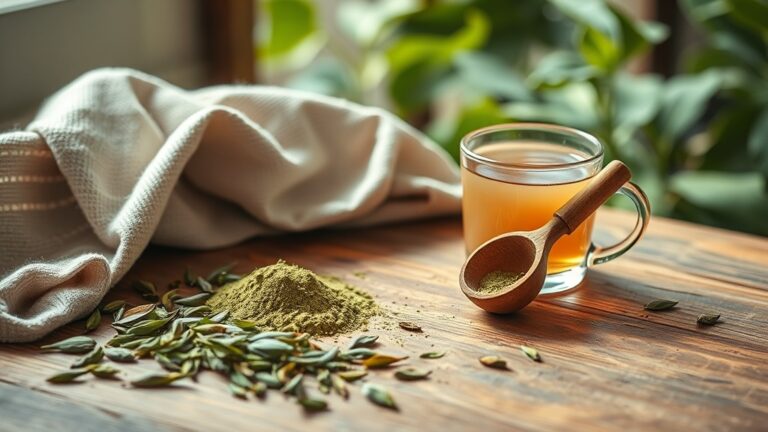
- Color. Fresh Noble Kava powder runs light tan to medium brown. Overly dark or oddly tinted powder usually points to poor processing or age.
- Texture. Good powder feels fine, almost silky — not gritty. It should dissolve into liquid without leaving a heavy layer of sediment.
- Smell. Expect an earthy, slightly peppery aroma. A musty or sour smell is a warning sign of contamination or bad storage.
- Packaging. Serious suppliers use opaque, airtight containers to block light and moisture. Flimsy or clear packaging often means corners got cut elsewhere too.
The Three Effect Profiles
Noble Kava strains generally fall into three buckets: heady, heavy, or balanced. Knowing the difference helps you pick something that actually fits what you’re after.
Heady strains tend toward mental clarity and social ease — good for daytime use when you want to feel loose but still alert. Heavy strains lean into physical relaxation, making them a better fit for evenings and winding down. Balanced strains land in the middle, offering a bit of both without pushing hard in either direction.
If this is your first time, start balanced. It gives you the most predictable introduction while you figure out your own tolerance and preferences.
Preparing It the Traditional Way
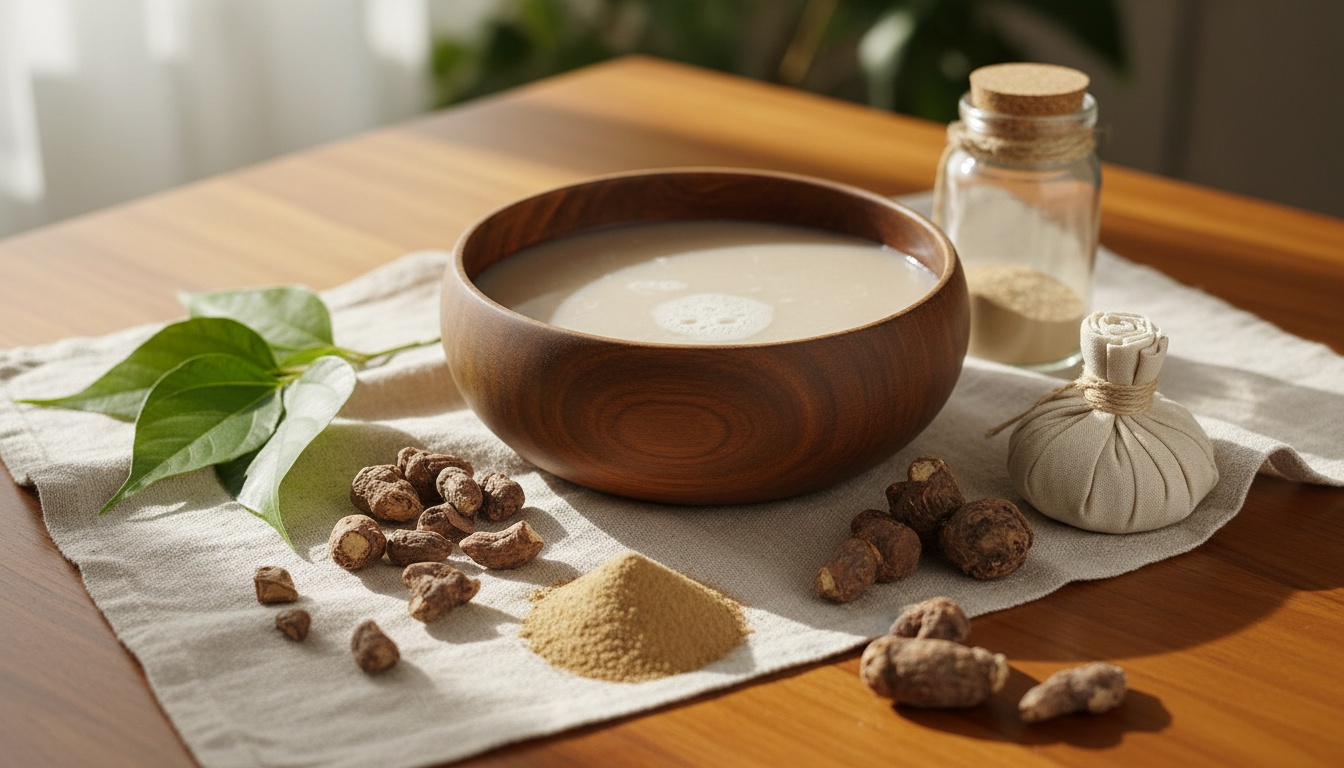
The traditional kneading method still pulls kavalactones out of the root more effectively than just stirring or shaking the powder in water.
A few practical notes:
- Use room-temperature or lightly warm water. Hot water breaks down the active compounds and makes the drink unpleasantly bitter.
- Start conservative — around 2 to 3 tablespoons of powder per cup of liquid. You can always add more next time, but you can’t take back an overly strong dose.
- Drink on an empty stomach, ideally 3 to 4 hours after your last meal. Food slows absorption and can delay the effects for hours.
- Strain the mixture through cheesecloth or a fine mesh strainer to remove plant fiber, which can otherwise irritate the stomach.
What a First Session Feels Like
Expect effects to start within 15 to 30 minutes on an empty stomach, building gradually rather than hitting all at once. Most people notice relaxation starting in the body first, with mental tension easing shortly after.
Sessions typically run 2 to 4 hours depending on dose and your own metabolism, and the effects tend to fade out gently — no sharp comedown, no next-day fog.
Some first-timers barely notice anything, which is normal. Kava can show what’s sometimes called reverse tolerance, where the effects become clearer over a few sessions rather than the first one. Don’t read too much into a mild debut.
You’ll likely also feel some numbness or tingling in your mouth. That’s expected — it’s a sign the kavalactones are active — and it usually fades within 10 to 15 minutes.
Safety Basics
- Don’t combine kava with alcohol or other substances that affect the central nervous system. The interaction can be unpredictable.
- Skip driving or operating machinery after a session, even if you feel mentally sharp — reaction time can still be affected.
- Drink water. Kava has a mild diuretic effect, and staying hydrated makes for a more comfortable experience.
- Space out your sessions. Daily use isn’t a good idea for beginners; leave at least 24 to 48 hours between sessions early on.
- Talk to a doctor first if you’re on medication or have any liver concerns. Kava has a solid safety track record overall, but individual situations differ.
Warning Signs When Shopping
A few things should make you pause before buying:
- Over-the-top potency claims. Legitimate sellers talk about consistency and quality, not extreme strength.
- No lab results. Any trustworthy supplier can hand you current testing certificates without being asked twice.
- Suspiciously cheap pricing. Good cultivation, processing, and testing cost money, and that shows up in the price.
- Vague sourcing. “From the Pacific islands” isn’t specific enough — quality suppliers name the actual region and farming practices.
- Health claims. Legitimate sellers talk about traditional use, not medical promises. Overreaching wellness claims are a red flag.
Learning as You Go
Buy small quantities from suppliers you trust while you’re still learning what quality looks and tastes like. Many sellers offer sample sizes for exactly this reason. Keep loose notes on color, smell, and how each batch makes you feel — patterns show up faster than you’d think.
The market for kava root extract has been growing quickly worldwide, which has pushed more suppliers toward better testing and clearer labeling. That’s good news for anyone trying to learn the ropes.
It’s also worth spending time in communities built around kava — people who’ve been drinking it for years tend to have strong opinions about suppliers, strains, and preparation, and that knowledge can save you a lot of trial and error. Look for suppliers who seem genuinely interested in educating buyers rather than just moving product; that usually correlates with better quality control too.
Kava’s Growing Social Scene
Kava bars have become a real fixture in parts of the US, especially Florida, which has more kava bars than any other state by a wide margin. These spaces function as alcohol-free social spots, and their growth says something about how mainstream this traditional drink has become.
That growth cuts both ways. As more people try kava for the first time, the importance of quality control and honest education only goes up.
Getting Started
Quality Noble Kava rewards a bit of patience. Learning to judge a good batch and prepare it properly pays off in consistent, enjoyable sessions rather than one-off disappointments.
Start with a balanced strain from a supplier who’s transparent about lab testing and sourcing. Spend your first few sessions just learning how your body responds before branching out into different varieties. If you’re curious about other traditional botanicals, kava pairs naturally into a broader conversation about plant-based wellness — but that’s a topic worth its own exploration once you’ve got the kava basics down.
Frequently Asked Questions
How much should I start with?
Around 2 to 3 tablespoons of powder per cup of liquid. Adjust gradually based on how you respond over several sessions.
How long until I feel it?
Usually 15 to 30 minutes on an empty stomach, with effects lasting 2 to 4 hours.
Is the mouth numbness normal?
Yes. It’s a sign of active kavalactones and typically fades within 10 to 15 minutes.
Can I drink it every day?
Not recommended for beginners. Give yourself 24 to 48 hours between sessions while you’re still learning your tolerance.
What’s the real difference between Noble and non-Noble kava?
Noble varieties tend to produce more consistent effects with fewer harsh side effects, like nausea or next-day grogginess.
Should I eat first?
No — kava works best on an empty stomach. Wait 3 to 4 hours after eating for the best absorption.
How do I know I’m buying quality kava?
Check for third-party lab certificates, solid packaging, and clear information about where and how it was grown.
What if I don’t feel much the first time?
That’s common. Some people need a few sessions before the effects become noticeable — don’t judge kava on one mild try.