

Kava has been prepared the same basic way for thousands of years — and in the last decade or so, a handful of faster, more convenient methods have popped up alongside it. Whether you’re drawn to the ceremony of the old-school method or just want a quick cup after work, knowing how each approach works will help you get more out of your kava.
The preparation method you pick shapes more than just how long it takes. It affects strength, flavor, and even how the whole experience feels. Here’s a breakdown of both worlds so you can figure out what fits your routine.
Traditional Preparation: A Practice Older Than the Recipe Books
Known in Fiji as “tanoa,” traditional kava preparation has stayed remarkably consistent for over 3,000 years. It’s not just a way to make a drink — it’s a cultural ritual passed down through generations of Pacific Island communities.
How It’s Done
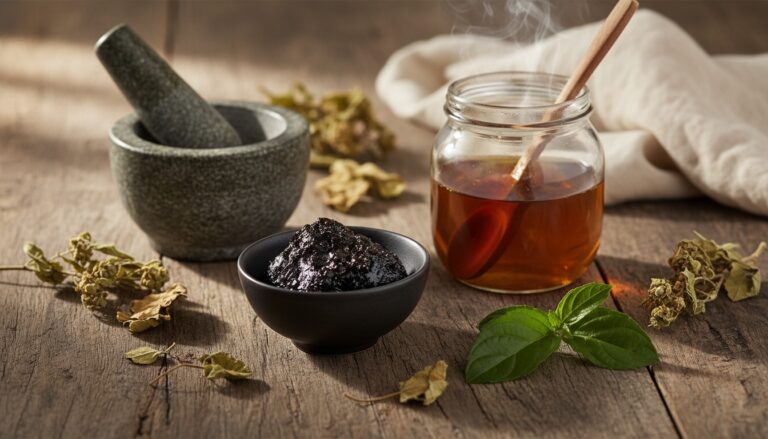
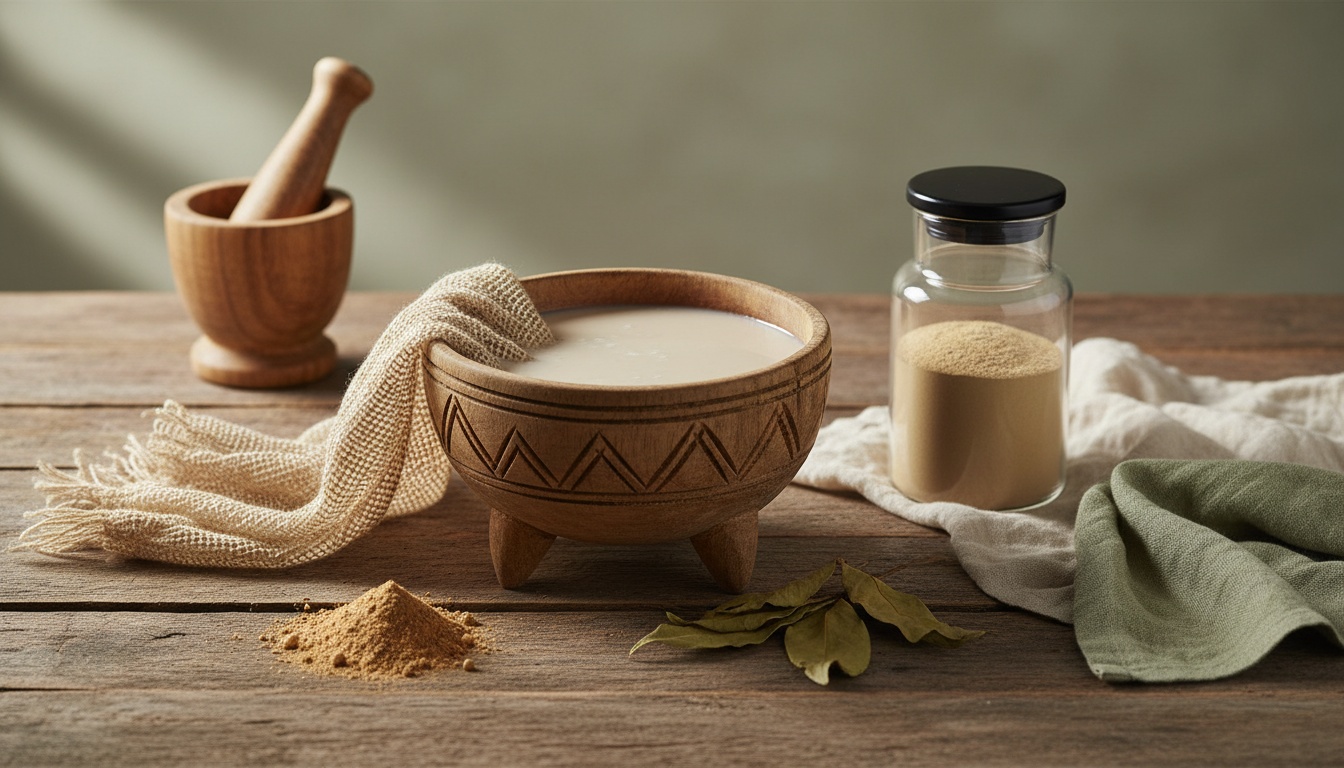
The process starts with kava root, fresh or dried, ground into a coarse powder using a mortar made of volcanic rock or wood. That powder goes into a cloth strainer bag — traditionally woven from hibiscus fiber — which is then kneaded by hand in cool water for 10 to 15 minutes. The repeated squeezing and releasing pulls the kavalactones out of the plant matter while the bag catches the fibrous bits.
Why It Matters Culturally
There’s more to this than technique. In Pacific Island cultures, preparing and sharing kava together signals respect, community, and a kind of spiritual bond. The slow, repetitive kneading isn’t a chore to rush through — it’s part of the point.
Many longtime kava drinkers swear the traditional method produces better effects overall. The longer soak time and the physical agitation may draw out a wider range of compounds than quicker modern techniques manage. There’s also something to be said for the ritual itself — the process eases you into the experience rather than just delivering a drink.
Modern Methods: Built for Speed and Reliability
Modern preparation techniques trade some of the ceremony for speed and predictability, without losing sight of what makes kava effective in the first place. These methods have made kava a realistic option for people who don’t have twenty minutes to spare.
The Blender Approach
Blending has caught on with a lot of kava drinkers looking for a shortcut. Kava powder goes into a blender with cool water or coconut milk and runs for three to four minutes. The blades create strong agitation that pulls kavalactones out fast, and you strain the result through mesh or a traditional bag afterward.
This cuts prep time dramatically while still producing a strong extraction. It’s essentially the same mechanical action as hand-kneading, just compressed into a few minutes instead of fifteen or twenty.
Instant and Micronized Kava
For the least effort possible, instant kava dissolves straight into water — no straining required. Micronized kava is ground so fine that it can be consumed directly, skipping the filtering step entirely. Both are good options for travel, the office, or any time you want kava without the setup. They may not replicate the full traditional experience, but they deliver consistent strength without any guesswork.
How the Two Approaches Stack Up
Strength and Effects
Traditional preparation tends to produce a more layered effect, likely because the longer soak and manual agitation extract a broader range of compounds. People who prepare kava this way often describe it as feeling more “complete.”
Modern methods, especially blending, can hit similar potency but may highlight different qualities of the experience. It often comes down to a trade-off: the complexity of traditional prep versus the predictability of modern shortcuts.
Time Investment
This is where modern methods pull ahead easily. Traditional preparation takes 15 to 30 minutes of hands-on work, blending takes 5 to 10 minutes total, and instant kava is ready in under a minute. Which one makes sense depends on your schedule. If kava is part of how you wind down at the end of the day, the traditional process adds real value. If you just need something quick after a rough day, modern convenience is hard to beat.
Flavor and Texture
Traditional kava usually looks muddy and earthy, with a thick, silty texture. The taste is strongly bitter with a numbing quality — and for a lot of longtime users, that’s part of what makes it feel authentic.
Modern preparations vary more. Blended kava tastes close to the traditional version, sometimes a bit smoother. Instant varieties occasionally include additives to soften the flavor, which makes them easier for beginners but arguably less true to the original.
Getting the Best Results, Whichever Method You Choose
Basics That Apply to Everyone
No matter how you prepare it, stick to cool or room-temperature water — heat breaks down kavalactones and weakens the effect. A good starting ratio is 1 part kava powder to 10 parts water, adjusted from there based on taste and the strain you’re working with.
Quality of the powder matters more than the method. Lab-tested, wild-harvested kava from a reputable source will beat questionable powder every time, traditional or modern preparation notwithstanding.
Tips for Traditional Preparation
A good strainer bag makes a real difference — look for a weave tight enough to catch plant fiber but loose enough to let liquid through easily. Knead firmly but don’t get overly aggressive, or you risk tearing the bag.
Some traditional users swap in coconut water or add a touch of lecithin to help with extraction, though plain water works just fine on its own.
Tips for Modern Methods
If you’re blending, don’t overdo it — three to four minutes is the sweet spot. Longer than that generates friction heat that can work against you. With instant kava, follow the package instructions closely, since these products are formulated for specific mixing ratios.
Whatever method you use, refrigerate any prepared kava and drink it within 24 to 48 hours for the best results.
Which Method Is Right for You?
There’s no wrong answer here — it depends on what you’re looking for. Plenty of experienced kava drinkers switch between methods depending on the day.
Traditional preparation makes sense if you value the cultural roots of kava, enjoy a slower ritual, or simply want the experience close to how it was originally practiced. The meditative quality of the process can be part of what makes it relaxing.
Modern methods make more sense if convenience and consistency matter more to you, or if kava needs to fit into a packed schedule. Choosing the quicker route isn’t a compromise — it just means finding what actually works for your life.
Done properly with good-quality kava, both approaches can produce excellent results. The best method is simply the one you’ll actually stick with.
Quick FAQ
How much kava powder should I use?
Start with 2 to 4 tablespoons per cup of water. If you’re new to kava, use less at first and increase gradually.
Can I reuse kava powder?
Yes — a second, milder extraction from the same powder is common practice. Traditional preparers call this the “second shell.”
Why does kava taste so bitter?
That bitterness and the numbing sensation on your tongue come from the kavalactones, and it’s normal — a sign of quality, not a problem.
How long does prepared kava keep?
Refrigerated, it’s good for 24 to 48 hours. At room temperature, both potency and flavor fade fast.
Is traditional or blended kava stronger?
Both can reach similar potency. Traditional preparation may pull out a broader range of compounds, while blending gives more consistent results batch to batch.
Can I mix kava with something other than water?
Coconut milk, almond milk, or coconut water all work and can improve the taste. Avoid hot liquids — heat reduces effectiveness.
What’s the difference between micronized and regular kava?
Micronized kava is ground into ultra-fine particles that dissolve completely, so there’s no need to strain it. Regular kava still needs filtering to remove plant fiber.