
Kratom comes with its own vocabulary — strain names, processing terms, lab-testing jargon, and a pile of regulatory acronyms. This glossary breaks down the terms you’re likely to run into, written in plain language so you don’t need a chemistry degree or a law degree to follow along.
7-Hydroxymitragynine (7-OH)
7-OH is a minor alkaloid that occurs naturally in kratom leaf, but only in trace amounts. It’s worth distinguishing from the concentrated or semi-synthetic versions of 7-OH now sold as standalone products, which contain far higher levels than what’s naturally present in the plant.
A
Adulteration
Adulteration happens when kratom is contaminated with outside substances, or when compounds are added or concentrated beyond what the leaf naturally contains.
Alkaloid
Alkaloids are nitrogen-containing plant compounds. Kratom leaf contains more than forty different alkaloids, and mitragynine is by far the most abundant of them.
B
Bali Kratom
“Bali” is a vendor label for a broad, commonly sold category of kratom. The name traces back to historical shipping routes through the Indonesian island of Bali rather than describing where the plant actually grew.
Batch Testing
Batch testing means each production lot of kratom gets tested separately in the lab, so the results a customer sees actually reflect the specific product they’re buying.
Borneo Kratom
“Borneo” refers to kratom associated with the island of Borneo, one of the main regions where the Mitragyna speciosa tree is grown commercially.
Botanical Specimen
This is a labeling phrase that sometimes appears on kratom packaging to frame the product as raw plant material rather than a food or dietary supplement.
C
Certificate of Analysis (COA)
A COA is the lab report for a specific batch of kratom. It lists alkaloid content and results from contaminant screening.
Controlled Drugs and Substances Act (CDSA)
The CDSA is Canada’s federal drug law. It lists scheduled substances and defines their legal status across the country.
Controlled Substance
A controlled substance is a drug regulated by the government under controlled-substance law. Kratom currently is not federally controlled in the United States.
Controlled Substances Act (CSA)
The CSA is the 1970 U.S. federal law that created the drug schedules used to classify regulated substances.
Crushed Leaf Kratom
This is kratom processed into coarse, broken pieces instead of a fine powder — a texture many people prefer for brewing tea.
D
DEA and Kratom
The Drug Enforcement Administration enforces federal controlled-substance law. It has flagged kratom as a “drug of concern,” though it has not scheduled it.
E
Eight-Factor Analysis
This is the set of eight criteria the federal government is required to consider before scheduling any substance under the Controlled Substances Act.
Enhanced Kratom
Enhanced kratom is plain leaf powder that has had extra kratom extract mixed in, boosting its overall alkaloid concentration above what plain leaf would provide.
F
FDA and Kratom
The Food and Drug Administration regulates food and drugs in the U.S. It has not approved kratom for any medical or dietary use.
FDA Import Alert
An import alert lets U.S. border officials detain shipments of a specified product without inspecting each one individually.
Fresh Leaf
Fresh leaf is kratom used shortly after harvest, before drying and grinding — the way it’s traditionally consumed in the regions where it grows.
Full Leaf Kratom
Full leaf products are made from the entire dried leaf, rather than an extract or isolated fraction of it.
Full-Spectrum Kratom
This term describes a product made to preserve the leaf’s whole natural range of alkaloids, instead of isolating just one compound.
G
GMP (Good Manufacturing Practice)
GMP refers to a set of quality standards governing how a product is manufactured, handled, documented, and tested.
H
Health Canada
Health Canada is the federal department responsible for health policy in Canada, including regulation of drugs, food, and natural health products.
Heavy Metal Testing
This lab test measures contaminants like lead, arsenic, cadmium, and mercury in a kratom batch.
Horn Kratom
Sometimes marketed as “Maeng Da Horn” or “Horned leaf,” this term refers to kratom from leaves with distinctive horn-shaped points along the edges.
I
Indo Kratom
“Indo” is shorthand for kratom sourced from Indonesia, which supplies most of the kratom imported into the U.S.
K
Kalimantan Kratom
Kalimantan refers to kratom grown in the Indonesian portion of Borneo, a major cultivation region for Mitragyna speciosa.
Kratom Consumer Protection Act (KCPA)
The KCPA is model state legislation that legalizes and regulates kratom sales instead of banning them. It typically sets rules for labeling, testing, and minimum age.
Kratom Ban
A kratom ban is a state or local law that prohibits selling or possessing kratom in that jurisdiction.
Kratom Capsule
A capsule holds a pre-measured dose of kratom powder inside a gelatin or vegetable shell, letting users avoid the taste of the powder.
Kratom Dosage
Dosage refers to how much kratom powder or product someone takes, usually measured in grams.
Kratom Extract
An extract is a concentrated kratom product made by pulling the alkaloids out of the leaf and reducing them, resulting in something much stronger than plain powder.
Kratom Powder
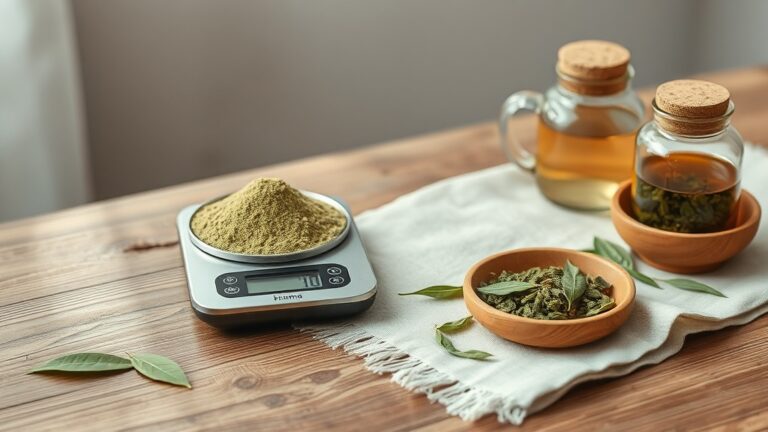
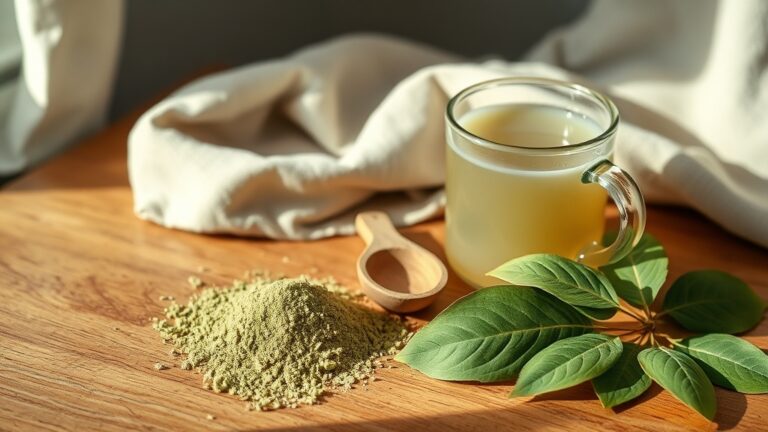
Powder is dried kratom leaf ground fine. It’s the most common and widely used form of kratom on the market.
Kratom Shot
A shot is a small, ready-to-drink bottle of concentrated liquid kratom extract.
Kratom Tincture
A tincture is a liquid extract where kratom alkaloids are dissolved in a solvent, often alcohol, and typically sold in a dropper bottle.
L
Lab Testing
Lab testing for kratom checks a product’s alkaloid content and screens for contaminants such as heavy metals and microbes.
M
Maeng Da Kratom
“Maeng Da” is a marketing term used for kratom selected for higher alkaloid potency. It’s not a distinct botanical strain or a specific place of origin.
Malay Kratom
Malay refers to kratom associated with Malaysia, commonly used for green-vein products marketed as having a balanced effect profile.
MHRA
The MHRA (Medicines and Healthcare products Regulatory Agency) regulates medicines and medical devices in the United Kingdom.
Microdosing
Microdosing means taking small measured amounts of kratom spread across the day, rather than one larger dose at once.
Mitragyna Speciosa
This is the scientific name for the kratom tree, an evergreen in the coffee family (Rubiaceae) native to Southeast Asia.
Mitragynine
Mitragynine is the most abundant alkaloid in kratom leaf and the compound most often measured to describe a product’s strength.
N
Nanogram
A nanogram equals one billionth of a gram — a unit used in lab testing to report extremely small quantities, such as trace contaminants.
Natural Health Product (NHP)
NHP is a Health Canada category covering vitamins, minerals, and herbal remedies. Products in this category need a license before they can be sold legally.
Not For Human Consumption
This disclaimer has historically appeared on some kratom packaging, a response to kratom’s lack of FDA approval as a food or supplement.
Novel Food
In the UK and EU, “novel food” is a regulatory category for foods without a documented history of significant human consumption before 1997. Products in this category require special approval.
O
Opioid Receptor
Opioid receptors are found throughout the nervous system. Kratom’s main alkaloids interact with one of these — the mu-opioid receptor.
P
Plain Leaf Kratom
Plain leaf kratom is dried, ground leaf with nothing added and nothing concentrated, distinguishing it from extracts or fortified products.
Potency
Potency describes the concentration of active alkaloids — mainly mitragynine — in a given kratom product.
Q
QR Code Verification
Some kratom packaging includes a QR code linking to that batch’s Certificate of Analysis or an authenticity record.
R
Rubiaceae
Rubiaceae is the coffee plant family, and it’s the botanical family that includes the kratom tree, Mitragyna speciosa.
S
Salmonella
Salmonella is a bacteria genus that can contaminate food and plant products. It’s one of the microbes labs screen for during kratom testing.
Schedule I
Schedule I is the strictest category under the Controlled Substances Act, reserved for drugs the government considers to have high abuse potential and no accepted medical use.
Strain
A kratom “strain” is really a vendor product name, usually combining a vein color with a place of origin or processing method. It’s a marketing category, not a scientifically distinct variety.
Synthetic Alkaloid
This refers to a kratom-related compound that’s chemically manufactured or artificially concentrated, rather than naturally occurring at that level in the leaf.
T
TGA
The TGA (Therapeutic Goods Administration) regulates medicines and therapeutic products in Australia, where it classifies kratom as a controlled substance.
Thai Kratom
“Thai” is a vendor label historically tied to Thailand. Today it functions more as a trade name across various vein colors than a guarantee of actual origin.
Third-Party Testing
Third-party testing means the lab analyzing a product has no financial stake in it — an independent check rather than in-house testing.
Tolerance
Tolerance is the gradual drop in response to a substance after repeated use, meaning the same amount produces less effect over time.
Toss and Wash
This is a method of taking kratom powder: placing a measured dose in the mouth and washing it down with a drink.
V
Vein Color
Vein color refers to the color of a kratom leaf’s central vein and stem at harvest — traditionally categorized as red, green, or white.
Vendor Verification
This is the process of confirming that a kratom seller meets recognized quality standards, such as participating in a trade-association qualification program.
W
Wholesale Kratom
Wholesale kratom is sold in bulk to retailers and other businesses for resale, rather than directly to individual buyers.
This glossary covers the terms most likely to come up as you research kratom — from botanical basics to the regulatory landscape that shapes what’s legally available where you live. For deeper coverage of any single topic, look for the related in-depth guides.