



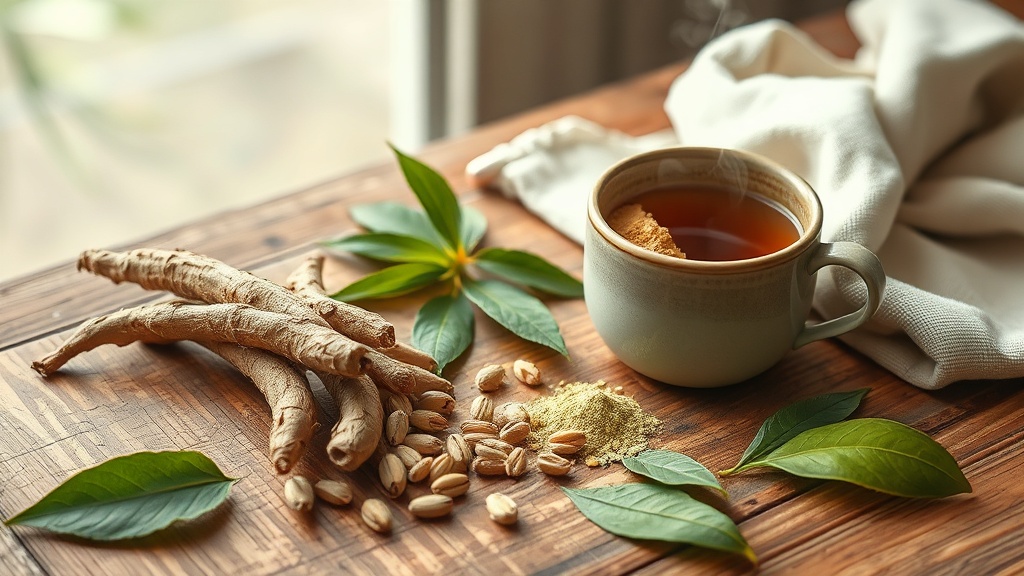
Ashwagandha and kratom both have long histories of traditional use, but pairing them is something people are still figuring out. Each plant brings its own set of effects, and putting them together raises questions that don’t have simple answers yet.
This isn’t about marketing claims. It’s about looking honestly at how these two botanicals behave on their own, what happens when they meet in your system, and what people who’ve actually tried the combination have experienced.
What Each Botanical Does on Its Own
Ashwagandha: Slow and Steady
Withania somnifera is an adaptogen — it works by helping the body regulate its stress response over time, largely through gradual effects on cortisol. Research has shown measurable drops in cortisol levels with regular use, which backs up its reputation as a stress-support herb.
But it’s not instant. Most people notice small shifts around the two-week mark, with fuller effects showing up somewhere between four and six weeks of daily use. People who stick with it often report better stress tolerance, improved sleep, and more physical stamina.
Kratom: Fast and Situational
Mitragyna speciosa works on a completely different clock. Effects usually kick in within 20 to 45 minutes and can last four to six hours, depending on the strain, the amount taken, and how your body processes it. Research bodies like the National Institute on Drug Abuse have studied kratom’s safety profile, and it doesn’t map neatly onto other substances people compare it to.
One thing that complicates any discussion of kratom is how much its alkaloid content varies. Mitragynine — the main active compound — can make up as much as 66% of the alkaloid content in some Thai strains, and as little as 12% in certain Malaysian varieties. That range is a big deal if you’re trying to predict how a combination will feel, since sourcing quality becomes just as important as dosing.
Why People Combine Them
Stress Support From Two Angles
The appeal for many users is having a steady baseline plus something for acute moments. Ashwagandha builds resilience to stress gradually, while kratom can offer more immediate relief when a specific situation calls for it.
Deeper Relaxation
Red vein kratom, often chosen for its calming qualities, may pair well with ashwagandha’s own soothing effects. Some people lean on this combination in the evening, as part of a wind-down routine.
Balanced Focus Without the Jitters
Green and white vein kratom are more commonly associated with focus and energy. Combined with ashwagandha’s fatigue-reducing properties, some users say this pairing gives them sustained alertness without the edge that comes with stimulants.
The Risks Worth Understanding
Competing for the Same Liver Pathways
Both plants are metabolized in the liver, which means they may compete for the same processing routes. There’s some indication that kratom could slow down how quickly ashwagandha is metabolized, while ashwagandha might speed up kratom’s breakdown. Either way, the timing and intensity of effects can shift in ways that are hard to predict.
Stronger Effects Than Expected
When you combine botanicals, you sometimes get a result that’s more intense than either one produces alone. This kind of amplification can surprise people who are used to a certain serving size of kratom or ashwagandha on their own.
More Sedation Than Planned
Both plants can promote drowsiness, and this effect seems to compound when red vein kratom is paired with ashwagandha. That combination can leave some people too sedated to get through a normal day.
Quality Problems Make Everything Worse
Low-quality products add another layer of unpredictability. Kratom with inconsistent alkaloid levels, or ashwagandha supplements cut with fillers or contaminants, make it much harder to know what you’re actually reacting to.
What Really Happens When You Combine Them
The Timeline
Kratom’s effects tend to show up first, while ashwagandha keeps working quietly in the background. Some regular users say that having ashwagandha already built up in their system smooths out kratom’s peak and softens the comedown afterward.
Adjusting Amounts
People combining the two often find they need less kratom than usual, since the ashwagandha baseline seems to lower the amount needed to feel the desired effect. It can also shift when ashwagandha feels most effective to take. If you’re new to kratom, it helps to get familiar with proper measuring before adding another variable into the mix.
Strain Matters
Not all kratom strains behave the same way alongside ashwagandha. Green and white veins tend to pair more smoothly with its calming qualities, while red veins are more likely to tip the combination toward heavy sedation.
How to Approach This Combination More Safely
Test each botanical on its own first. Don’t start both at the same time. Give ashwagandha three to four weeks of consistent use so you know how it affects you, then introduce kratom separately and get familiar with different strains and amounts.
Start with less than usual. Once you decide to combine them, cut your normal serving sizes of both by 25-50%. This gives you room to see how they interact without overwhelming your system.
Be thoughtful about timing. Many people take ashwagandha on a consistent schedule (often in the evening) and use kratom only when a specific need arises. This keeps ashwagandha’s baseline benefits intact while reserving kratom for situational use.
Keep a log. Write down when you took each botanical, how much, and what you noticed. This kind of record makes it much easier to spot patterns or problems before they become bigger issues.
Quality Becomes More Important, Not Less
Combining two botanicals raises the stakes on sourcing. A kratom batch with unpredictable alkaloid content, or an ashwagandha product that isn’t what it claims to be, turns an already complex combination into a genuine gamble.
Look for products that have been through third-party lab testing for alkaloid levels, heavy metals, and microbial contamination, and that come from facilities following recognized manufacturing standards. Knowing the actual composition of what you’re taking matters more once you start stacking botanicals rather than using them one at a time.
Warning Signs to Watch For
Heavy drowsiness. If the combination leaves you too sedated to function normally, scale back or stop. It also helps to know the general signs of low-quality kratom, since poor sourcing can make sedation worse than expected.
Stomach trouble. Nausea or digestive discomfort shows up for some people, especially if taken on an empty stomach.
Unexpected mood shifts. Even though both botanicals are generally associated with mood support, some people notice emotional responses they didn’t anticipate.
Disrupted sleep. Ironically, poor timing of these otherwise relaxing botanicals can sometimes interfere with sleep instead of helping it.
Who Should Steer Clear
A few groups should be especially cautious, or avoid the combination altogether:
- Anyone on prescription medication for mood, sleep, or anxiety should talk to a healthcare provider first.
- People with liver conditions need to be extra careful, since both botanicals rely on liver processing.
- Anyone new to either substance should get to know it individually before combining.
Weighing the Decision
Mixing ashwagandha and kratom is really a personal experiment. Done carefully, it may offer complementary stress relief and deeper relaxation. Done carelessly, it can lead to unpredictable interactions and excessive sedation.
The difference tends to come down to a few things: sourcing quality botanicals, dosing conservatively, testing changes one at a time, and paying honest attention to how your body responds. People who take this approach tend to find a workable balance. Those who rush in, skip quality checks, or ignore warning signs are more likely to run into trouble that isn’t worth the payoff.
Frequently Asked Questions
Can you take ashwagandha and kratom together safely?
It’s possible with the right precautions. Try each one separately for three to four weeks first, then combine at reduced amounts while paying close attention to how you feel.
How long should you wait between taking ashwagandha and kratom?
There’s no set waiting period. Many people take ashwagandha on a regular schedule (often in the evening) and use kratom only as needed during the day.
Which kratom strains pair best with ashwagandha?
Green and white vein strains tend to work well together with ashwagandha. Red veins are more likely to cause excessive sedation when combined.
What are the biggest risks of combining these two?
Unpredictable interactions from shared liver processing, stronger-than-expected effects, excessive drowsiness, and complications from low-quality products are the main concerns.
Should someone new to both try this combination right away?
No. Get to know each botanical separately first — that usually takes at least four to six weeks.
How can you tell the combination isn’t working for you?
Watch for heavy drowsiness, stomach issues, mood changes, or disrupted sleep. Any of these are signs to cut back or stop.
Do you need to adjust your usual serving sizes when combining them?
Yes. Most people reduce their normal amounts of each by 25-50% to account for the stronger combined effect.