




Ask most kratom buyers what determines quality, and they’ll point to strain names or price tags. Those factors matter less than you’d think. The real answer lies in things most shoppers never see: sourcing practices, testing protocols, and supply chain decisions that happen long before a product reaches store shelves.
Kalimantan kratom is a good case study in this problem. It’s one of the most popular varieties on the market, yet the gap between the best and worst versions of it is huge. To understand why, you have to look past the marketing and into what actually happens to the leaf before it gets to you.
What Makes Kalimantan Kratom Distinct
Kalimantan refers to the Indonesian portion of Borneo, an island with a tropical climate and rich biodiversity that happens to suit kratom trees well. Farmers there have harvested and processed kratom for generations, using timing and drying methods passed down within their communities. These traditional practices help preserve the leaf’s alkaloid content and give it a distinctive character.
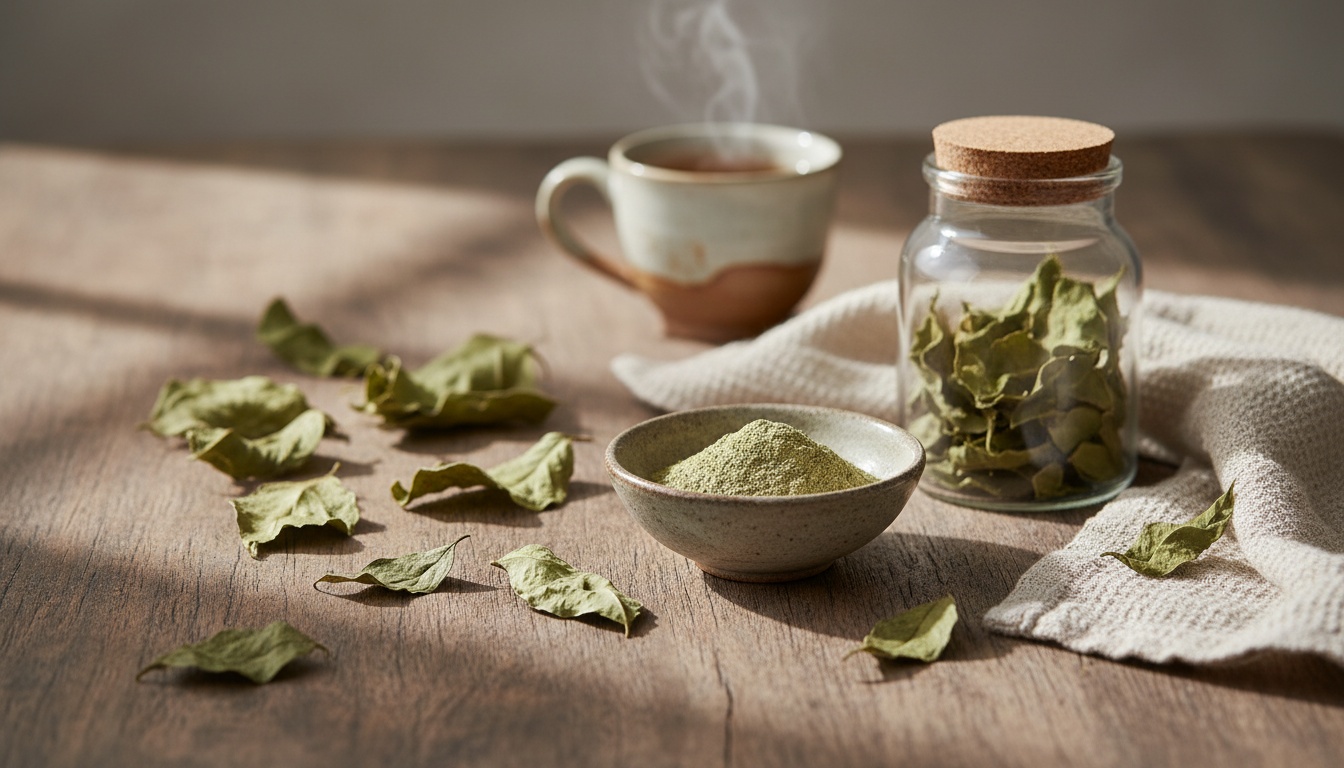
The finished product typically has a clay-green tint, an earthy smell, and a fairly complex alkaloid makeup. Vendors sell it under several names — White, Red, Green, Elephant, Gold, and Black Kalimantan — each with a slightly different chemical profile. But the region a plant comes from only tells part of the story. Growing location doesn’t guarantee what happens afterward.
The Quality Problem Vendors Don’t Talk About
Here’s an uncomfortable fact: a meaningful share of kratom imported into the US, estimated somewhere between 15 and 25 percent, fails basic microbial safety testing. That means roughly one in four products on the market could carry bacteria, yeast, or mold at levels above what’s considered safe.
This isn’t usually about where the plant grew. It’s about what happened during processing, storage, and shipping. Cutting corners on testing saves vendors money, but it shifts the risk onto the customer. Vendors who take quality seriously invest in proper sterilization and independent lab testing — and that investment shows up in the price. Unfortunately, most buyers never see the test results that would tell them the difference.
If you want a practical checklist for spotting better products, our guide on identifying premium kratom walks through the specifics.
What Lab Testing Actually Tells You
Good lab testing does more than check for contamination. It can identify and measure the dozens of alkaloids present in kratom — more than 50 have been documented — giving each batch a kind of chemical fingerprint.
A thorough testing process usually covers three areas:
- Microbiological screening — checking for harmful bacteria, yeast, and mold
- Heavy metal analysis — screening for lead, mercury, cadmium, and arsenic
- Alkaloid profiling — measuring mitragynine, 7-hydroxymitragynine, and other active compounds
Reputable vendors back up their products with a Certificate of Analysis (COA) for each batch, showing the actual results rather than generic claims. If you’re not sure how to read one, our breakdown of kratom lab test results explains what to look for. A COA that’s outdated or copied across multiple products isn’t worth much — it tells you nothing about what’s actually in your bag.
Why GMP Certification Matters
The American Kratom Association runs a Good Manufacturing Practice (GMP) certification program that’s become the industry’s benchmark for quality. To keep their certification, vendors have to pass independent audits every year.
These audits look at the whole process — how raw material is handled, how facilities maintain sanitation, and how thoroughly products get tested before they ship. Passing that bar cuts out a lot of the inconsistency you’d find with less regulated suppliers.
That said, GMP certification isn’t a magic guarantee. A certified vendor can still turn out an average product if the source material or processing wasn’t great to begin with. It’s one strong signal among several, not a complete answer on its own.
How to Judge Kalimantan Kratom Quality Yourself
A few practical checks can tell you a lot before you even open a lab report:
Look at it. Good Kalimantan kratom has consistent color for its strain type, a fine texture without a lot of stems or debris, and a fresh, earthy smell.
Check the packaging. Serious vendors use sealed, light-blocking containers and label them clearly — batch number, harvest date, and testing info included.
Ask about sourcing. Vendors who are proud of their supply chain will tell you about it. Vague answers or missing lab data are red flags.
Be wary of rock-bottom prices. Price by itself doesn’t guarantee quality, but a price that’s dramatically lower than competitors usually means something got skipped — testing, processing, or proper sourcing.
For a deeper look at specific red flags, see our piece on warning signs of low-quality kratom products.
Where to Actually Buy It
Specialized online kratom vendors tend to beat local shops on both selection and freshness, mainly because they move through inventory faster and don’t let product sit on a shelf for months. Vendors with GMP certification and visible testing practices offer the most reliable quality assurance, since they’ve already built the sourcing relationships and quality systems that back it up.
Convenience stores and general smoke shops rarely match that standard. If a vendor is serious about quality, it usually shows in how transparent they are — clear product details, responsive support, and a willingness to answer questions about sourcing and testing.
Why Better Kratom Costs More
Premium Kalimantan kratom isn’t cheap, and that’s not an accident. The price reflects real costs throughout the supply chain: working with experienced farmers, using traditional processing methods that protect alkaloid content, packaging that prevents degradation, and running the lab tests that confirm safety and potency.
Each of those steps adds expense, but each one also adds something you can actually feel in the product — more consistency, better safety, and more predictable effects. More buyers are catching on to this and starting to favor vendors who are upfront about sourcing and testing over ones simply competing on price.
Closing Thoughts
Strain names and marketing copy tell you very little about what you’re actually getting. The details that matter — testing practices, certification, sourcing transparency — are less visible but far more important. Once you know what to look for, it gets a lot easier to tell a genuinely good batch of Kalimantan kratom from one that’s cutting corners.
Frequently Asked Questions
What makes Kalimantan kratom different from other strains?
It’s grown on the Indonesian side of Borneo using traditional harvesting methods, which gives it a distinctive clay-green color and a complex alkaloid profile.
How can I tell if Kalimantan kratom is high quality?
Check for consistent color, fine texture, a fresh earthy smell, and ask for a current Certificate of Analysis from the vendor.
What should lab testing include?
A solid test covers microbial contamination, heavy metals, and alkaloid content.
Is GMP certification important?
Yes — it means a vendor passes independent audits every year and follows strict manufacturing standards. It’s a good sign, though not a guarantee on its own.
Why does quality kratom cost more?
The price covers better sourcing, real lab testing, careful processing, and packaging that protects the product.
Where should I buy Kalimantan kratom?
Specialized online vendors generally offer fresher stock and higher standards than convenience stores or smoke shops.
What varieties of Kalimantan kratom are available?
White, Red, Green, Elephant, Gold, and Black — each with its own alkaloid balance.
How much kratom fails safety testing?
Estimates suggest 15 to 25 percent of kratom entering the US doesn’t meet basic microbial safety standards, which is why checking for lab results matters.
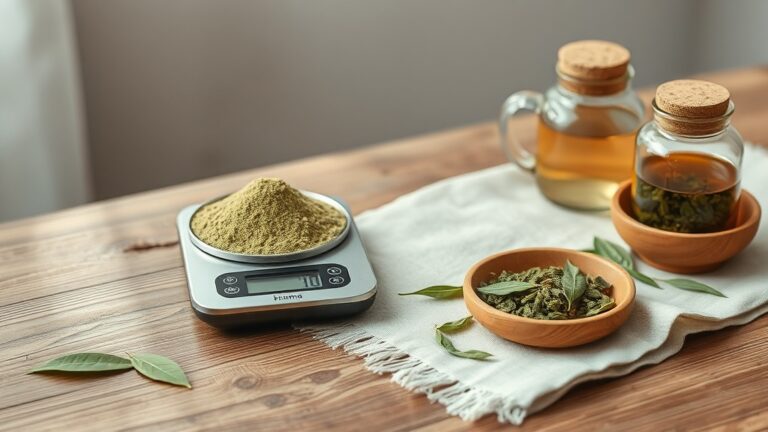
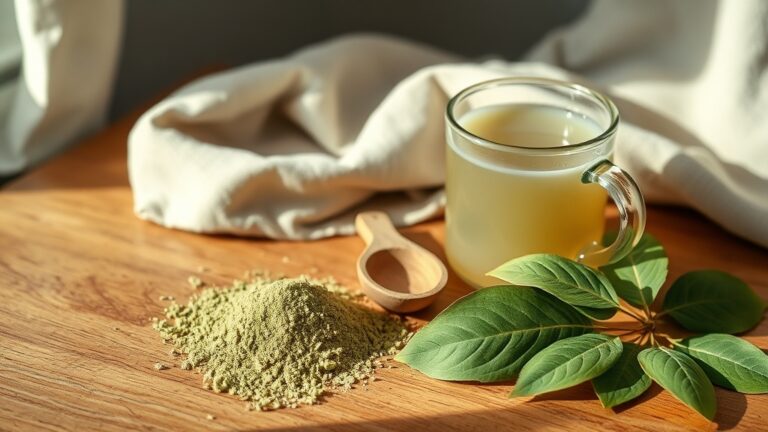
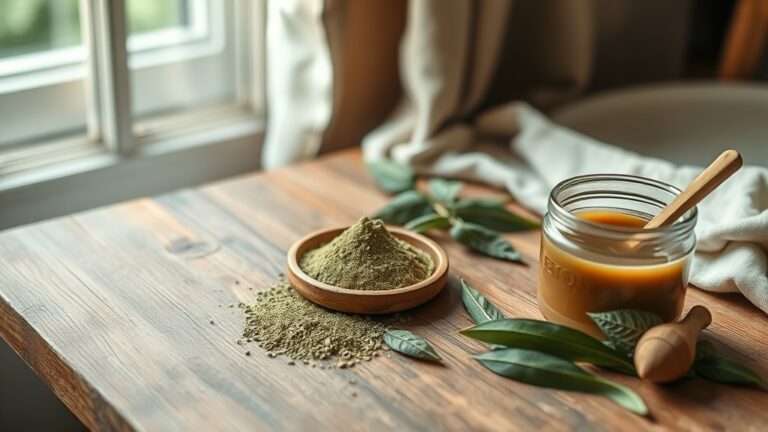
[…] Kratom quality varies a lot between vendors. Some test every batch for heavy metals, bacteria, and alkaloid levels. Others skip testing to save money, and there’s no way to know just by looking at the product. […]
[…] product you pick matters more than people often realize. The market isn’t tightly regulated, so quality varies widely from one brand to the […]