


If you’re new to kava, or thinking about changing up how you take it, you’ll run into two basic options: the traditional root-and-water preparation or a modern extract. Neither is objectively better — the right pick depends on your daily routine, your taste tolerance, and what kind of experience you’re after. Here’s a closer look at how the two compare.
What Traditional Kava Preparation Looks Like
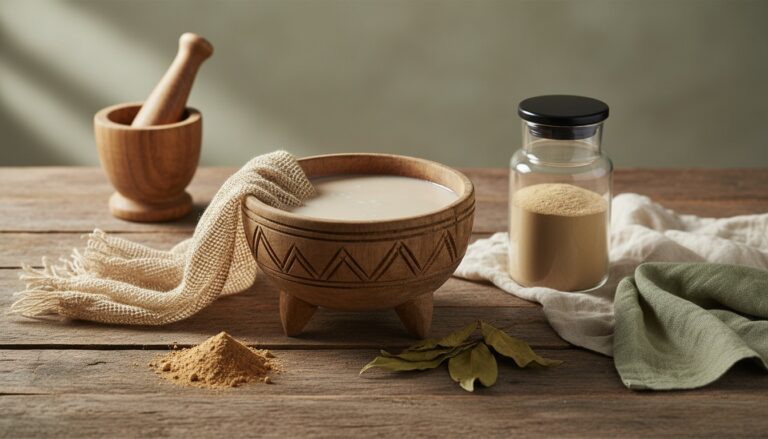
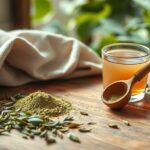
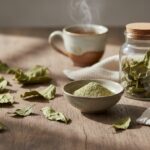
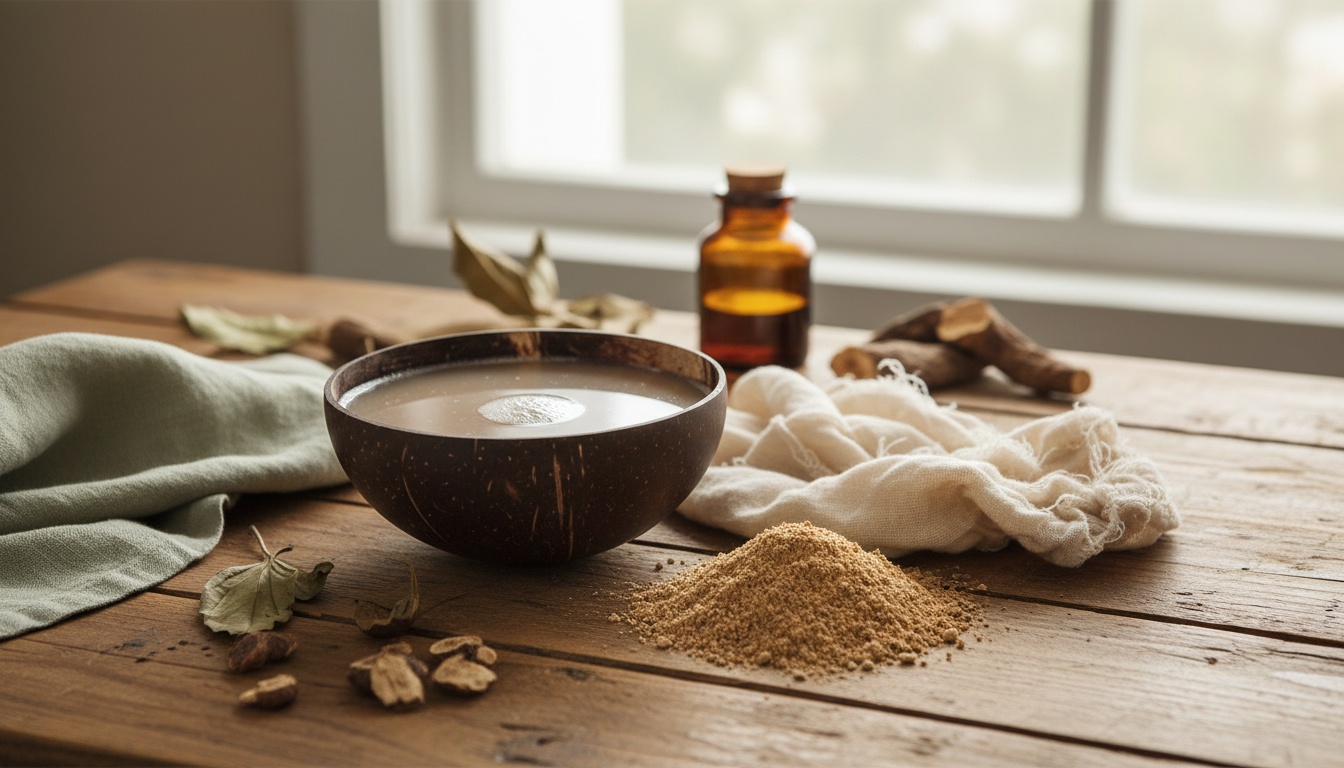
The traditional method goes back generations in Pacific Island cultures: kava root gets ground into powder, then kneaded by hand in a strainer bag or cheesecloth with water until it forms a murky, earthy-looking drink. This process pulls out the full range of kavalactones naturally found in the plant.
For a lot of people, the ritual is part of the appeal. Kneading the bag, watching the water turn cloudy, and taking that first sip is a slow, deliberate process — one that many say helps them wind down before the kava even kicks in. It also gives you control over details like water temperature, steep time, and how much powder you use relative to water.
What Kava Extracts Are
Extracts use methods like CO2 or alcohol extraction to pull out and concentrate specific kavalactones, then package them into capsules, tablets, or tinctures. This skips the mixing and straining altogether, which makes extracts a natural fit for anyone with a packed schedule or little patience for prep work.
Reputable brands test their extracts for potency and purity, so dosing tends to be more predictable batch to batch. Extracts also come in a range of strengths, giving you finer control over how strong an effect you’re aiming for — something that’s harder to pin down with homemade traditional brews, where potency can shift depending on the root used.
Comparing Potency and Effects
Extracts pack more kavalactones into a smaller serving, and because certain compounds get concentrated during processing, the effects can feel more focused. Some people notice extracts working faster too, though this varies quite a bit from person to person.
Traditional preparations, on the other hand, deliver everything the plant naturally contains — all the kavalactones working together rather than a select few isolated out. Many longtime users say this produces a more rounded, balanced feeling. It usually takes longer to kick in, but the effects may also stick around longer.
As a rough guide, extracts tend to start working in 15 to 30 minutes, while traditional kava usually takes 45 minutes to an hour to fully set in. That said, things like your metabolism, whether you’ve eaten, and how the kava was prepared can shift these numbers quite a bit. Some people also pair kava with other botanicals like kratom for a broader effect — worth looking into if you’re curious how the two interact.
Convenience
This is where extracts win, hands down. Pop a capsule, and you’re done — no equipment, no mess, no mixing. If you travel a lot, work long hours, or just want something simple, extracts remove most of the friction around staying consistent.
Traditional prep, by contrast, takes a bit of setup: a strainer bag, a bowl, some water, and roughly 10 to 15 minutes of kneading, plus cleanup afterward. For some, that’s a hassle. For others, it’s exactly the point — the process itself becomes part of winding down.
Taste
Traditional kava doesn’t taste great. It’s earthy, bitter, gritty, and the aftertaste lingers longer than most people expect. Some newcomers never quite get used to it, though plenty of regulars mix it with coconut water or juice to make it more palatable.
Extracts sidestep this problem almost entirely. Capsules have no taste at all, and tinctures — taken in small amounts — usually have only a mild herbal flavor. If taste and texture are a dealbreaker for you, this alone might settle the decision.
Cost
Over time, traditional kava usually works out cheaper per serving, even after you factor in buying a strainer bag and other basic gear. A pound of good kava powder stretches across many more servings than a comparable amount of extract. The catch is that you might waste some powder while you’re still figuring out your technique.
Extracts cost more per serving because of the processing and standardization involved. But there’s no wasted product, and dosing is consistent every time. If you only use kava occasionally, an extract might actually save you money compared to a bag of powder that goes stale before you finish it.
Quality matters more than form when it comes to price. Noble kava varieties cost more than tudei varieties but are considered safer and more consistent in effect — always worth paying for, regardless of which format you choose.
Quality and Safety
Whichever form you go with, quality should come first. Look for suppliers who share third-party lab results, use noble kava exclusively, and are upfront about where their kava comes from. Kava sourced from established Pacific Island growers is generally a safer bet than mass-cultivated alternatives.
If you go the traditional route, freshness is key — kava powder loses potency when exposed to heat, light, or moisture, so keep it sealed and out of direct sun.
For extracts, the extraction method matters. CO2 extraction tends to preserve more of the plant’s beneficial compounds compared to alcohol-based methods, though both can produce solid products when done carefully.
Which One Fits You?
Traditional preparation might suit you better if you:
- Like the ritual of mixing and preparing your own kava
- Want the full range of kavalactones in one drink
- Are looking for the better long-term value
- Have time to prepare and clean up
- Want full control over strength and steeping
Extracts might be the better fit if you:
- Want something quick and portable
- Aren’t a fan of kava’s natural taste
- Need predictable, consistent dosing
- Travel often or have a busy schedule
- Prefer a more discreet way to take kava
Whichever method you land on, having the right accessories — strainer bags, dosing tools, storage containers — can make the whole process smoother.
Using Kava Responsibly
No matter which form you choose, some basic precautions apply across the board. Start with a small amount to see how your body responds. Don’t mix kava with alcohol or other substances that affect the nervous system. And take breaks now and then to avoid building up tolerance.
Talk to a doctor before adding kava to your routine, especially if you’re managing a health condition or taking medication. Reputable suppliers test for contaminants, but everyone reacts a bit differently, so it pays to know what real quality verification looks like before you buy.
Bottom Line
There’s no single right answer here — just what fits your life better. Plenty of kava drinkers actually use both: extracts on busy days, traditional prep when they’ve got time to slow down and enjoy the process.
Whatever you pick, focus on quality, start small, and pay attention to how your body responds. Both paths — the old way and the newer one — offer something worthwhile. It just depends on what you’re looking for.
Frequently Asked Questions
Which works faster?
Extracts usually kick in within 15–30 minutes; traditional preparations take closer to 45–60 minutes.
Is one stronger than the other?
Extracts are more concentrated, but traditional kava offers the full range of compounds, which many find gives a more balanced effect.
Which is cheaper?
Traditional kava tends to cost less per serving over time. Extracts cost more but avoid waste and keep dosing consistent.
Can I use both?
Sure — many people do, switching based on convenience and time available.
How can I tell if kava is good quality?
Check for third-party lab testing, noble kava varieties, and transparent sourcing, regardless of which form you buy.