
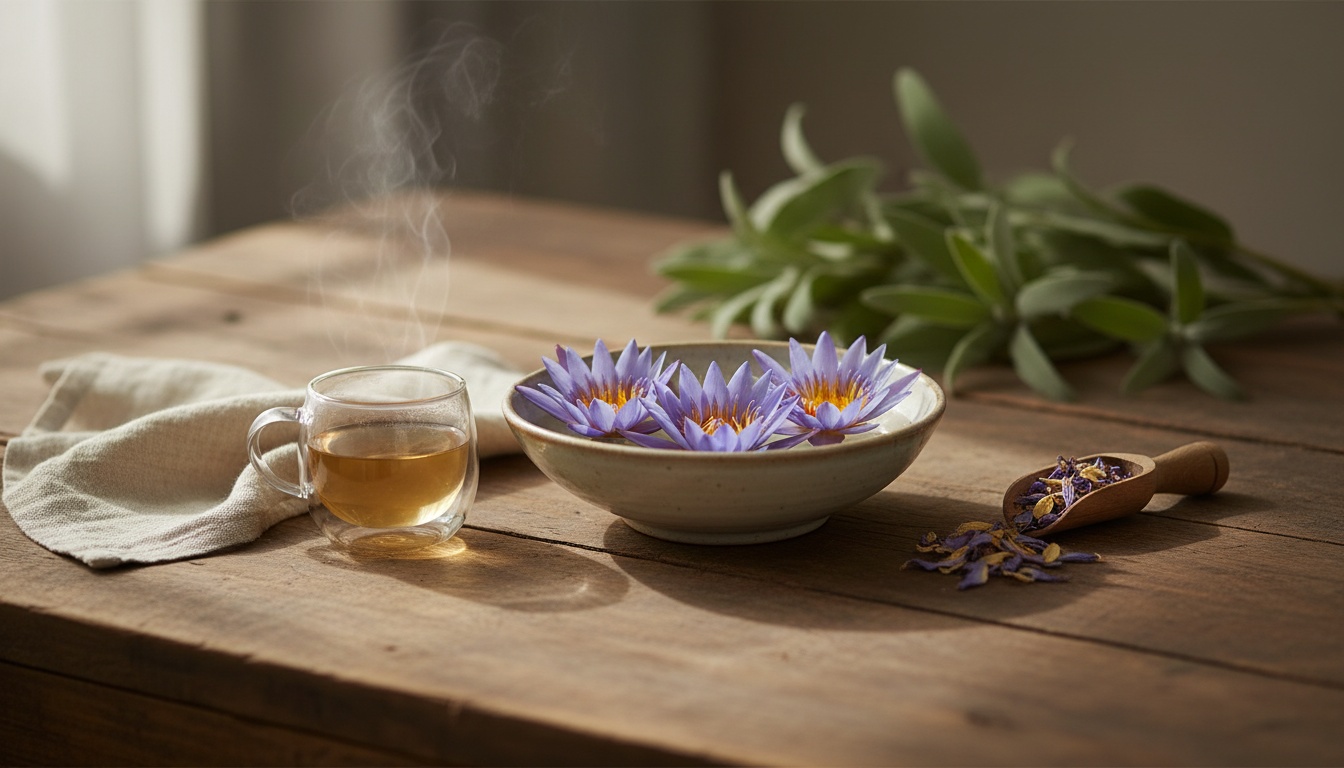
Thousands of years ago, Egyptians floated blue flowers in temple pools and steeped their petals in wine for evening rituals. That plant, Blue Lotus (Nymphaea caerulea), is still around today, and it’s found a second life as a natural relaxation aid. Unlike many wellness trends that flare up and fade, this aquatic flower has held its reputation for gentle, calming effects across generations.
So what sets it apart in a market crowded with botanical products promising big transformations? Blue Lotus doesn’t really play that game. It offers something quieter — a link between old practices and what we’re now learning about plant-based relaxation.
A Long History Behind a Simple Flower
Blue Lotus didn’t become important in Egyptian culture through clever marketing. It earned its place through repeated use in ceremonies, art, and daily wind-down rituals. Archaeological records show the flower appearing again and again in religious and social contexts, suggesting people understood something worth remembering: relaxation doesn’t have to be intense to be effective.
The stressors we deal with now look nothing like what ancient Egyptians faced, but the basic wish for calm without harsh side effects hasn’t changed. Blue Lotus offers a thread of continuity — a plant-based approach to easing tension that skips synthetic ingredients and aggressive effects.
What’s Actually Behind the Calm
Blue Lotus contains two main active compounds. Apomorphine interacts with dopamine pathways tied to pleasure and reward, while nuciferine produces a gentle calming effect, similar in feel to a mild anti-anxiety compound. Together, they create what many people describe as relaxed alertness — calm, but not foggy or checked out.
It’s less like being sedated and more like having the edge taken off. Many botanicals that promote relaxation also bring drowsiness along with them. Blue Lotus tends to spare you that trade-off, letting you stay clear-headed while your body relaxes. That’s part of why it works well in the evening, when you still want to be present for family time, a hobby, or a quiet conversation.
Ways to Take It
Blue Lotus is available in several forms, and each one suits a different lifestyle or preference.
Tea
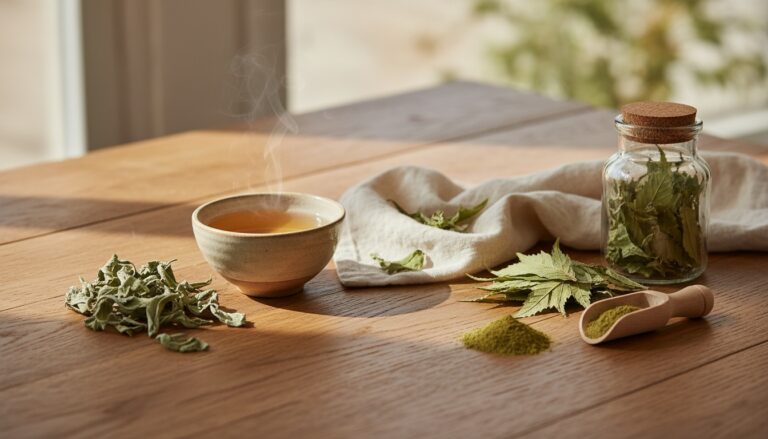
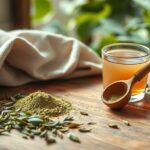
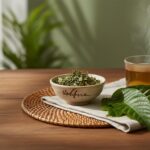
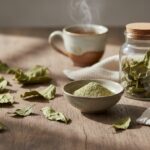
Brewing Blue Lotus as tea turns it into a small ritual. Watching the petals steep, the water shift color, and the aroma rise creates a natural transition from a busy day into a calmer evening. For many people, this sensory process is part of the appeal — it’s not just about the effect, but the experience of slowing down to prepare it.
Extracts
Extract tablets give you a standardized, measured dose. If you’d rather skip the steeping process and know exactly what you’re taking, this is the more predictable option. It also travels well, since there’s no brewing involved.
Tinctures
Liquid tinctures are taken sublingually, which usually means faster absorption than tea or tablets. Because you control the number of drops, dosing is easy to adjust based on how you’re feeling that day.
Gummies
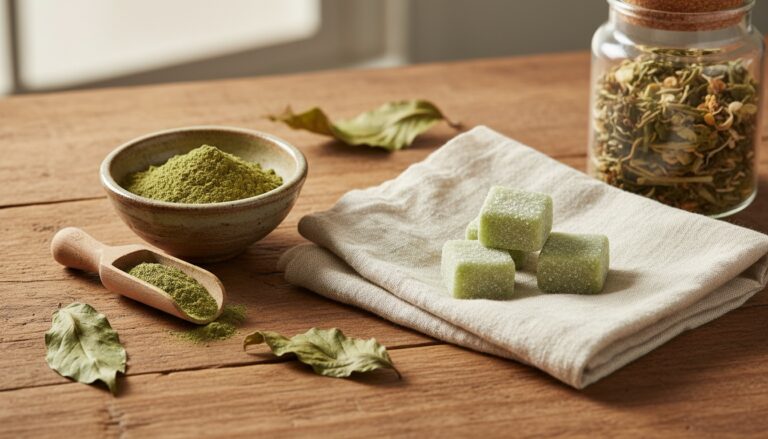
Gummies bring the plant into an everyday, low-effort format — pre-measured, easy to carry, and free of any strong plant taste. For people trying Blue Lotus for the first time, gummies are often the simplest place to start.
Using It Responsibly
Blue Lotus has a solid track record of safety when used sensibly, but it still deserves a careful approach like any botanical supplement. Start with a smaller amount and see how your body reacts — sensitivity varies quite a bit from person to person.
Don’t mix Blue Lotus with alcohol or medications without checking with a healthcare provider first. Serious interactions are uncommon, but there’s no reason to combine substances unnecessarily. Pregnant or breastfeeding women should skip it, and anyone managing a significant health condition should talk to a professional before trying it.
Timing matters too. Blue Lotus usually won’t make you drowsy, but its relaxing effect isn’t ideal right before tasks that need sharp focus. Most people find it works best in the evening, as part of winding down for the night.
What to Look for in a Quality Product
Not every Blue Lotus product is made the same way, and quality differences show up in the experience. Look for brands that publish third-party lab testing, covering both purity and potency. That testing should check for contaminants — heavy metals, pesticides, microbials — and confirm the actual levels of active compounds.
Sourcing matters as well. Reputable growers who understand proper harvesting tend to produce a more potent, reliable product than mass-market operations. Wild-harvested or organically grown flowers are generally a good sign. It’s worth asking about drying and storage methods too, since improper handling can degrade the compounds that make the plant effective in the first place.
Manufacturing standards are another clue. Products made in GMP-certified facilities show a commitment to consistency batch after batch — not a small thing when you’re relying on a natural product to perform the same way each time.
What to Actually Expect
Blue Lotus doesn’t work like a pharmaceutical or a stronger sedative botanical. Its effects are mild and tend to build gradually rather than hit all at once. It’s better understood as support for your body’s own relaxation response than a replacement for it.
Most people feel a gentle calming effect within 30 to 60 minutes, lasting roughly 2 to 4 hours. Some notice slight euphoria, less physical tension, or just a general sense that stress feels more manageable. A common description: feeling like yourself on a good day — relaxed, but still switched on.
Regular users often report the effects becoming more noticeable over time, as the body adjusts. That said, Blue Lotus isn’t habit-forming, so there’s no need to use it daily. It works just as well as an occasional tool for stressful days or evenings when you want to unwind a bit more deliberately.
Where Blue Lotus Fits Today
In a world that moves fast and sells even faster, Blue Lotus offers something refreshingly modest — a long-tested way to relax that doesn’t ask for major lifestyle changes or come with worrying side effects. Whether you’re curious about alternatives to synthetic relaxants, looking for natural stress support, or just interested in traditional botanicals, it’s an easy plant to start exploring.
The key is keeping expectations realistic and choosing quality sources. Start with a small amount, pay attention to how your body responds, and go from there. Much like the Egyptians who built it into their evening routines, you may find Blue Lotus becomes a small, steady part of how you wind down — not because it works miracles, but because it does one thing consistently well.
It also doesn’t pretend to be more than it is. Blue Lotus won’t fix everything, and it’s not a substitute for medical care. But it does offer what it always has: a natural way to ease tension and slow down at the end of the day.
Frequently Asked Questions
How long does Blue Lotus take to work?
Most people notice calming effects within 30 to 60 minutes, with the strongest effect around the one- to two-hour mark.
Can I use Blue Lotus every day?
It’s not habit-forming, so daily use isn’t necessary. Many people save it for specific situations rather than a fixed routine.
What’s the best way to try it for the first time?
Start with tea or gummies in a small amount, and see how your body responds before increasing.
Will Blue Lotus show up on a drug test?
It’s not part of standard drug test panels, but check your workplace policy if you have concerns.
Can I combine Blue Lotus with other supplements or substances?
It’s generally well tolerated on its own, but avoid combining it with alcohol or medications without talking to a healthcare provider.
How should I store Blue Lotus products?
Keep them somewhere cool, dry, and out of direct sunlight to preserve potency.
What separates a good Blue Lotus product from a mediocre one?
Third-party lab testing, transparent sourcing (ideally wild-harvested or organic), and GMP-certified manufacturing are the main things to check.