



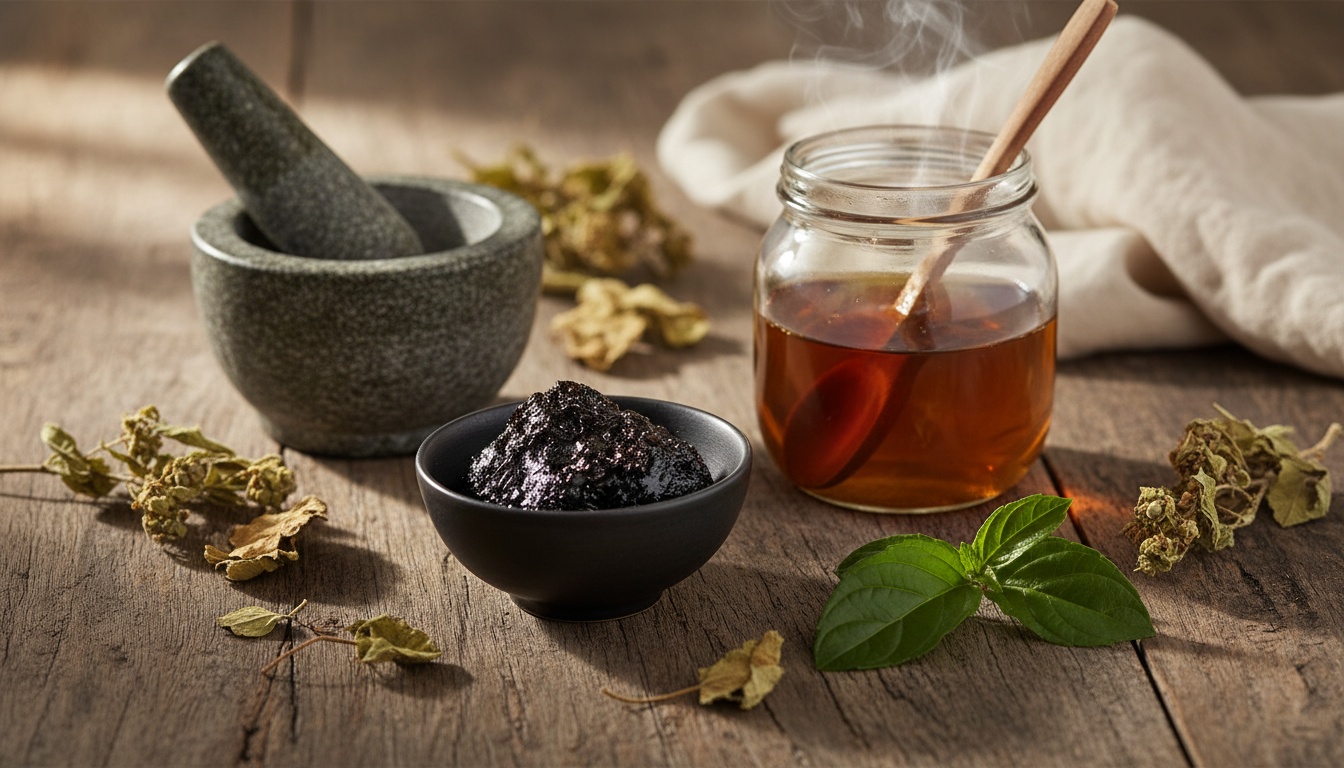
For more than 3,000 years, people across the Himalayas have relied on shilajit as part of traditional health practices. This dark, tar-like substance forms slowly, as plant and animal matter breaks down under rock over long stretches of geological time.
What’s changed recently is that researchers are starting to look closely at the compounds inside it — and finding some support for what traditional users have claimed for centuries. Below is a rundown of the areas where shilajit shows the most promise, along with what to watch for when choosing a product.
Steady Energy, No Crash
Shilajit doesn’t work like caffeine or other stimulants that spike your system and then let you down hard.
Its main active compound, fulvic acid, appears to support energy production at the cellular level — specifically within mitochondria, the structures that generate energy in your cells. Rather than pushing your body to burn through fuel faster, it may help those energy-producing processes run more efficiently.
People who take it regularly often describe steadier energy across the day, without the jitteriness or afternoon slump associated with stimulants. Some research supports this, pointing to improvements in physical performance and reduced fatigue tied to more efficient cellular respiration.
Sharper Thinking
Brain fog is a common complaint these days, and shilajit has drawn interest as a possible way to address it.
The fulvic acid in shilajit has shown some ability in lab studies to protect brain cells from oxidative damage and support normal neural activity. One notable finding is that fulvic acid may interfere with the clumping of tau protein, a process linked to cognitive decline. This research is still early and mostly limited to lab settings rather than human trials, but it’s a promising direction.
Anecdotally, many users say they notice better focus and recall after taking shilajit consistently for a few weeks.
Support for Male Hormone Levels
This is one of the more well-studied areas of shilajit research.
A randomized, double-blind trial followed healthy men between 45 and 55 for 90 days, comparing a group taking shilajit against a placebo group. The men taking shilajit — at a dose of 250mg twice daily — showed noticeably higher levels of total testosterone, free testosterone, and DHEA compared to those on placebo. The differences were large enough to suggest a real physiological effect, not just noise in the data.
Helping the Body Recover
Recovery matters whether you’re training hard or just trying to stay on your feet through a busy week.
Shilajit contains more than 80 trace minerals, which may serve as raw material for tissue repair. Fulvic acid seems to play a role in shuttling these nutrients to where the body needs them. Research also points to shilajit’s potential to help maintain muscle strength after physical exertion and support the body’s adaptation to exercise stress.
People who train regularly often report bouncing back faster and dealing with less soreness when they use shilajit consistently.
Fighting Oxidative Stress
Your cells deal with a constant low-level assault from environmental toxins, poor diet, and the normal byproducts of metabolism.
Shilajit’s antioxidant compounds may help offset some of that damage by neutralizing free radicals before they harm healthy cells. This kind of protection is often linked to healthier aging and general vitality.
Some users report side benefits that align with this — better skin, improved sleep, and a general sense that their body is handling everyday stress better.
A Possible Boost to Immune Function
Shilajit’s mineral content and other active compounds may support the immune system in a few different ways, partly by improving how well the body absorbs the nutrients immune cells rely on.
Traditional practitioners have long used it to build overall resilience, and some modern research suggests this could be tied to how shilajit helps the body maintain balance during periods of stress.
Why Quality Matters So Much
Here’s the part that gets overlooked too often: not every shilajit product on the market is trustworthy.
Quality varies a lot depending on where and how it’s sourced. Some products have been found to contain heavy metals above safe limits, which is a real concern given how the substance forms underground. That makes third-party lab testing non-negotiable.
Look for shilajit that is:
- Wild-harvested from high-altitude regions, generally above 16,000 feet
- Tested by an independent lab for purity, potency, and heavy metals
- Processed in a GMP-certified facility
- Free of artificial additives or synthetic fillers
Sourcing is just as important as processing. Authentic shilajit only forms under specific geological conditions found in a handful of mountain regions.
How Much to Take and When
Most of the research uses daily doses between 250mg and 500mg, usually taken with food to help absorption.
It’s a good idea to start on the lower end and see how your body responds. Some people feel a difference within a few days; others need several weeks of steady use before noticing anything.
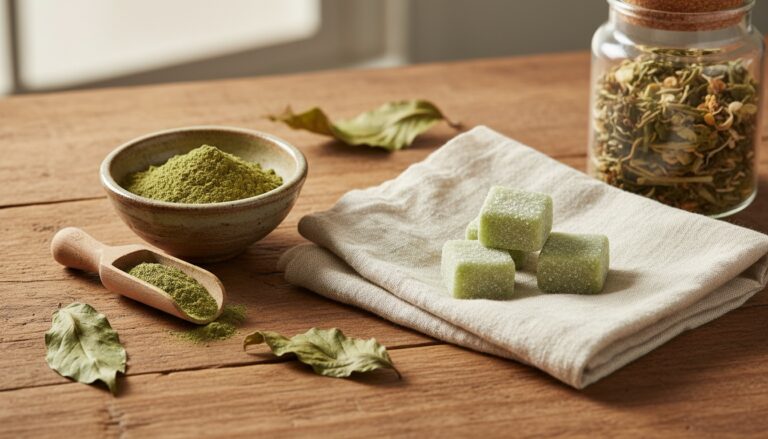
You’ll find shilajit in a few different forms:
- Resin — the most concentrated form, but a bit more work to use
- Powder — easy to mix into drinks
- Capsules — convenient, with consistent dosing
- Gummies — simple to take, though often with added ingredients
The best form is whichever one you’ll actually take consistently.
What to Expect Over Time
Shilajit tends to work gradually rather than producing an immediate, dramatic effect.
Many people notice small improvements in energy within the first week. Cognitive benefits, if they show up, usually take two to three weeks of regular use. Hormonal and recovery-related benefits tend to take even longer to become noticeable.
The effects appear to build over time — the longer you stick with a quality product, the more the benefits tend to show.
Safety Notes
Shilajit is generally considered safe for healthy adults, but a few groups should be cautious:
- Pregnant or nursing women should avoid it
- People with active heart conditions should talk to a doctor first
- Those with iron overload conditions should skip it, given its mineral content
- Anyone on medication should check for possible interactions
The biggest risk isn’t the substance itself — it’s poor-quality sourcing. Stick with products backed by a certificate of analysis from an independent lab.
Final Thoughts
Shilajit has a long history of traditional use, and modern research is starting to back up several of the claims tied to it — particularly around energy, cognitive support, hormone levels, and recovery.
None of this works, though, if the product isn’t genuine. Choose shilajit that’s wild-harvested, lab-tested, and made in a GMP-certified facility, and give it a few weeks before expecting to see results. Think of it as one piece of a broader approach to health, not a fix-all.
Frequently Asked Questions
How long before I feel the effects?
Most people notice some energy improvement within three to seven days. Full benefits typically take two to four weeks of consistent use to show up.
When’s the best time to take it?
With a meal, to help with absorption. Morning or early afternoon works well for most people, since taking it too late in the day may affect sleep for some.
Can I combine it with other supplements?
Usually, yes. If you’re on medication or managing a health condition, check with a healthcare provider first.
Which form works best?
Resin is the most concentrated, but capsules are easier to dose consistently. Pick whichever one fits your routine.
How do I know if it’s real?
Check for third-party lab testing, GMP certification, and confirmation that it’s wild-harvested from a high-altitude source.
Are there side effects?
Most healthy adults tolerate it well. Start with a smaller dose to see how you respond, and avoid it if you’re pregnant, nursing, or have an iron overload condition.
What’s a good daily dose?
Research generally supports 250mg to 500mg per day. Start at 250mg and adjust from there based on how you feel.