
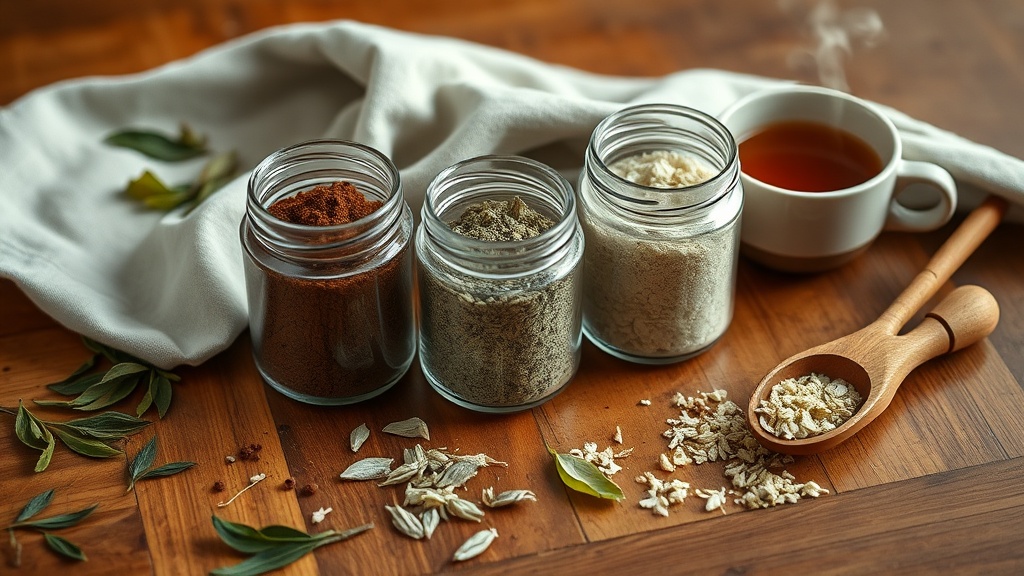
Walk into any kratom shop, online or otherwise, and you’ll see names like Red Bali, Green Malay, and White Borneo lined up on the shelf. These labels sound like they describe distinct plants, but the real story is more interesting — and more useful to know before you buy. Lab testing shows mitragynine content swinging from around 4% to nearly 60% depending on the batch, and total alkaloid content can differ by more than double between products. This guide breaks down what’s actually driving those differences and how to use that information when picking a strain.
The short version: vein color has less to do with genetics and more to do with how the leaves were dried, withered, and fermented after harvest. A 2025 University of Florida study found that withering time alone could shift mitragynine levels by 14–65% in leaves from the very same tree. Red, green, and white kratom often start as identical plant material — the difference comes from what happens to it afterward. That’s why a lab report on a specific batch tells you far more than the strain name printed on the label.
What a Kratom Strain Name Actually Means
Every kratom name follows a simple pattern: vein color plus place of origin. “Red Bali” is red-veined kratom tied to the Bali region of Indonesia. “Green Malay” is green-veined kratom linked to Malaysia. “White Borneo” refers to white-veined kratom from the island of Borneo.
Kratom, scientifically Mitragyna speciosa, belongs to the same plant family as coffee and grows across Southeast Asia — Thailand, Indonesia, Malaysia, and Borneo among the main growing regions. The plant contains more than 40 identified alkaloids, but two get most of the attention: mitragynine and 7-hydroxymitragynine.
Mitragynine typically makes up somewhere between under 1% and nearly 39% of the total alkaloid content by mass, depending on the sample, while 7-hydroxymitragynine shows up in much smaller amounts — often a small fraction of a percent in leaf extracts. Other alkaloids worth knowing — paynantheine, speciogynine, and speciociliatine — also play a role in the overall effect, interacting with serotonin and adrenaline-related receptors in the body.
Two bags of kratom from the same region, harvested in the same season, can test quite differently under lab analysis. The tree isn’t usually the reason. It’s almost always about what happened to the leaves after they were picked.
What Really Causes the Color Differences
Here’s something most vendors don’t explain clearly: the color differences between red, green, and white kratom come mainly from drying and processing choices, not from genetically distinct plants or different vein colors on the living leaf.
A 2025 study led by Zhang and colleagues at the University of Florida looked at how withering time, drying temperature, plant cultivar, and season affect the final alkaloid mix. Some of their findings:
- Withering leaves before drying increased mitragynine by 14–65%, depending on the cultivar and how long they were left to wilt
- Drying at low temperatures (below 40°C) helped preserve mitragynine, speciogynine, and paynantheine across every cultivar tested
- A 12-hour wither followed by low-temperature drying boosted speciogynine by 37–48% and paynantheine by 35–67%
- 7-hydroxymitragynine appeared only in certain seasons and varied by cultivar — not by vein color
In practice, this means a processor drying leaves in direct sun produces a very different chemical profile than one shade-drying on racks, or one fermenting leaves in sealed bags for several days versus air-drying them quickly. All three could start with leaves from the same tree.
That said, this doesn’t make strain names meaningless. The processing methods do create real, measurable differences — the naming system just correlates loosely with those differences rather than guaranteeing them. A certificate of analysis showing the actual mitragynine percentage for your specific batch will always tell you more than the name on the bag.
| Vein Color | Typical Processing | Leaf Maturity | Commonly Reported Effect |
|---|---|---|---|
| Red Vein | Fermented 2–3 days in sealed bags; longer drying | Mature leaves | Relaxing, evening use |
| Green Vein | Air-dried, no fermentation; shade or indoor | Intermediate maturity | Balanced, daytime |
| White Vein | Fast drying, controlled temperature, no sun | Younger leaves | Energizing, focus |
| Yellow Vein | White/green blend; extended drying; varies by vendor | Mixed or intermediate | Mellow, smooth |
| Gold Vein | Longer fermentation than red, or blended | Fully mature | Between green and red |
Red Vein Strains: What the Lab Data Shows
Red vein kratom comes from mature leaves that are typically fermented in sealed bags for two to three days, depending on humidity and temperature. That extended fermentation step changes the alkaloid makeup in noticeable ways.
A 2018 study by Boffa and colleagues at the University of Turin analyzed three red strains using several forms of HPLC testing. The variation within the “red” category alone was substantial:
| Alkaloid | Red Bali | Red Malay | Red Thai |
|---|---|---|---|
| Mitragynine | 37.7% | 4.0% | 44.0% |
| Paynantheine | 4.8% | 23.6% | 10.2% |
| Speciogynine | 3.85% | 13.4% | 7.07% |
| Speciociliatine | 11.0% | 2.33% | 16.6% |
| Total Alkaloid Purity | 81.8% | 61.8% | 84.7% |
| Total Alkaloids (mg/g leaf) | 9.84 | 5.81 | 8.76 |
Red Malay and Red Thai are almost mirror images of each other: Red Malay had just 4% mitragynine but 23.6% paynantheine, while Red Thai showed the opposite pattern. Red Bali stood out further still, containing 24 distinct alkaloids — more than double the 11 found in the other strains tested, including rare compounds like isorotundifoline that barely showed up elsewhere.
Red strains are commonly described as relaxing, often used in the evening. The fermentation step and the use of mature leaves likely play a role in that character, though individual reactions vary. Popular red options include Red Bali, Red Maeng Da, and Red Borneo.
Green Vein Strains: What the Lab Data Shows
Green vein kratom is usually harvested at an intermediate stage of leaf maturity and air-dried without fermentation, which preserves a different alkaloid balance than red processing does.
In the Boffa study, Green Malay was the clear standout:
- Mitragynine: 59.7% — the highest of all five strains tested
- Total alkaloid purity: 94.9% — well above any other sample
- Total alkaloids: 9.86 mg per gram of leaf
- Speciociliatine: 12.0%, speciogynine: 8.38%, paynantheine: 9.7%
The researchers chose Green Malay specifically for follow-up animal studies because of its strong alkaloid profile. In mouse models, extracts showed measurable pain-reducing and anti-inflammatory activity in standard lab tests.
Green strains are frequently described as balanced — not heavily sedating, not strongly stimulating — which makes them a common choice for daytime use. Popular green options include Green Maeng Da, Green Malay, and Green Borneo.
White Vein Strains: What the Lab Data Shows
White vein kratom is often linked to younger leaves and quick-drying methods that avoid both direct sunlight and fermentation. Some processors dry leaves at controlled, low temperatures without the extended handling that reds go through.
White Borneo, the white strain in the Boffa analysis, posted the strongest density numbers of any strain tested:
- Highest extraction yield: 1.43%
- Highest total alkaloid content: 12.2 mg per gram of leaf — the densest of the five strains tested
- Mitragynine: 48.2% — second only to Green Malay
- Speciociliatine: 16.0%, paynantheine: 8.2%, speciogynine: 6.54%
- Total alkaloid purity: 85.1%
White Borneo’s total alkaloid content beat the next-highest strain, Green Malay, by roughly 24%. Users often describe white strains as more energizing and focus-oriented, a pattern that may line up with this higher raw alkaloid density. Popular white options include White Borneo, White Maeng Da, and White Thai.
Yellow and Gold Strains: Not Separate Plants
Yellow and gold kratom aren’t distinct plant varieties — they’re the product of modified drying processes. Sometimes that means an extended outdoor drying cycle; sometimes it means blending batches of different vein colors; sometimes both. The Zhang research supports this directly: withering time and drying temperature shift alkaloid levels enough on their own to create profiles distinct from standard red, green, or white processing.
Gold strains typically go through longer fermentation than a standard red. Yellow strains may combine white and green processing techniques. Because there’s no industry-wide standard for either category, two products both labeled “Yellow Bali” can have noticeably different alkaloid compositions depending on who made them.
Users often describe yellow and gold strains as mellow and smooth — somewhere between a green and a red. They can work well for people who find standard reds too heavy or standard greens not relaxing enough.
Choosing by Region: What the Research Says
The place-name half of a strain label usually reflects where the kratom was grown, or sometimes a processing style historically tied to that region.
Maeng Da translates roughly to “high grade” in Thai. Originally grown in Thailand, the name now functions more as a quality marker than a strict location. Maeng Da leaves are typically selected from mature, alkaloid-rich trees and processed with extra care. It’s sold in red, green, and white versions.
Bali is among the most widely sold origins. The Boffa lab data found Red Bali contained 24 distinct alkaloids — more than double what turned up in the other tested strains — including uncommon compounds like isorotundifoline. That complexity may contribute to Bali’s long-standing popularity.
Borneo, the world’s third-largest island, produces kratom with its own character thanks to its tropical growing conditions. White Borneo had the highest total alkaloid content of any strain in the Boffa analysis, at 12.2 mg per gram of leaf. Borneo strains come in red, green, and white.
Malaysian kratom shows just how much processing can matter within one country. Red Malay had paynantheine (23.6%) far outweighing mitragynine (4.0%), while Green Malay from the same country had the highest mitragynine of any strain tested (59.7%). Same origin, completely different chemistry — a good reminder of why batch testing matters more than the label.
Thai kratom has a long history of use — researchers have documented laborers in Thailand chewing kratom leaves for generations to fight fatigue. Red Thai showed strong mitragynine content (44.0%) and high overall purity (84.7%) in lab testing.
Indo (Indonesian) kratom represents the largest single category by volume, since Indonesia is the world’s biggest kratom exporter. Growing regions span Sumatra, Java, Kalimantan (Borneo), and Sulawesi, producing a wide range of alkaloid profiles. It’s often treated as a reliable, versatile baseline for new and experienced users alike.
| Region | Popular Strains | Notable Lab Findings | Good For |
|---|---|---|---|
| Thailand | Red Thai, Green Thai, Maeng Da | Red Thai: 44.0% mitragynine, 84.7% purity | High potency, long tradition |
| Malaysia | Green Malay, Red Malay | Green Malay: 59.7% mitragynine — highest tested; Red Malay: 23.6% paynantheine | Best-tested green option; unique red profile |
| Bali | Red Bali, Green Bali | Red Bali: 24 alkaloids detected — most complex tested | Complex profile, widely available |
| Borneo | White Borneo, Red Borneo, Green Borneo | White Borneo: 12.2 mg/g — highest density tested | Highest alkaloid density in a white strain |
| Indonesia (general) | Indo, Sumatra, Hulu Kapuas | Wide, batch-dependent variation | Accessible, versatile baseline |
What the Combined Lab Data Tells Consumers
Looking at the Boffa and Zhang studies together, along with broader survey research, a few conclusions stand out:
1. Processing shapes the chemistry more than genetics does. The Zhang research showed withering time alone can shift mitragynine by 14–65%. Drying temperature, season, and cultivar all influence the final profile. The same tree can end up as red, green, or white kratom depending entirely on what happens after harvest.
2. Strain differences are real, but inconsistent across vendors. The Boffa data shows genuinely different profiles between strains — but commercial products vary a lot too. Two bags labeled “Red Bali” from different sellers can test quite differently. This is why batch-specific lab reports matter more than product-level marketing claims.
3. Geography still plays a role. Soil, climate, altitude, and local farming practices all affect the final leaf chemistry. Red Bali’s 24-alkaloid complexity looks nothing like Red Thai’s 11-compound profile, even though both are “red” strains from the same general part of the world. Origin matters — it’s just one factor among several.
4. Total alkaloid density varies enormously. From 5.81 mg/g in Red Malay to 12.2 mg/g in White Borneo, density more than doubles across strains. That raw number — how much active compound sits in a gram of powder — arguably matters as much as which specific alkaloids are present, since it drives the dose-effect relationship.
| Metric | Red Bali | Red Malay | Red Thai | Green Malay | White Borneo |
|---|---|---|---|---|---|
| Mitragynine (%) | 37.7 | 4.0 | 44.0 | 59.7 | 48.2 |
| Paynantheine (%) | 4.8 | 23.6 | 10.2 | 9.7 | 8.2 |
| Speciogynine (%) | 3.85 | 13.4 | 7.07 | 8.38 | 6.54 |
| Speciociliatine (%) | 11.0 | 2.33 | 16.6 | 12.0 | 16.0 |
| Alkaloids Detected | 24 | 11 | 11 | 11 | 11 |
| Total Alkaloid Purity (%) | 81.8 | 61.8 | 84.7 | 94.9 | 85.1 |
| Alkaloids (mg/g leaf) | 9.84 | 5.81 | 8.76 | 9.86 | 12.2 |
A Practical Framework for Choosing a Strain
Picking a strain doesn’t have to be complicated. Here’s a simple way to match common goals to what the lab data and user reports suggest:
| Goal | Suggested Vein | Example Strains | Why |
|---|---|---|---|
| Relaxation, evening use | Red | Red Bali, Red Borneo | Fermentation produces a complex profile; Red Bali has 24 distinct compounds |
| Balanced daytime use | Green | Green Malay, Green Maeng Da | Highest mitragynine (59.7%) and purity (94.9%) recorded |
| Energy and focus | White | White Borneo, White Maeng Da | Highest alkaloid density (12.2 mg/g); strong mitragynine (48.2%) |
| Gentle introduction | Green or Gold | Green Malay, Gold Bali | Balanced, generally reported as smooth |
| Higher potency | Any Maeng Da grade | Green Maeng Da, White Maeng Da | Maeng Da selects for premium, alkaloid-rich leaves |
The name on the bag matters less than the quality control behind it. Lab-tested kratom from a well-run source with batch-specific certificates of analysis will consistently outperform an untested “premium” strain that skips testing altogether.
Effects also depend heavily on dose. Research suggests that lower doses (roughly 1–5 grams) tend to produce milder, more stimulant-like effects, while higher doses (5–15 grams) shift toward more sedating, opioid-adjacent effects. Most regular users in the US take somewhere between 1 and 6 grams per dose, with effects starting in 15–30 minutes and lasting several hours.
Why Some Users Rotate Strains
A common practice among experienced kratom users is strain rotation — switching between different strains instead of sticking with the same one every day. The reasoning has some scientific backing.
Since different strains carry different ratios of alkaloids, as the Boffa data makes clear, rotating strains exposes your body to a shifting chemical mix rather than the exact same one repeatedly. Mitragynine acts mainly as a partial agonist at mu-opioid receptors, with additional activity at adrenergic and serotonin receptors. Varying which alkaloids dominate on a given day may help sustain consistent effects at a stable dose over time.
Survey data on regular users found that just over a quarter had increased their dose since they started using kratom, while about 18.6% had actually decreased it — suggesting that many users do manage stable, moderate use over time. Strain rotation is one strategy people report using to avoid needing ever-larger doses.
A sample rotation based on the lab findings above might look like:
- Monday/Wednesday/Friday: Green Maeng Da for balanced daytime use
- Tuesday/Thursday: White Borneo for energy and focus
- Weekends: Red Bali for relaxation
Frequently Asked Questions
What are the main differences between kratom strains?
Strains differ mainly in alkaloid composition, driven by post-harvest processing and, to a lesser extent, geography. Lab testing shows mitragynine ranging from about 4% to nearly 60% across strains, with total alkaloid density ranging from roughly 5.8 to 12.2 mg per gram of leaf. The same tree can yield red, green, or white kratom depending on how it’s dried and fermented afterward — vein color is really a processing label, not a genetic one.
Is vein color based on the actual leaf or the processing?
Mostly processing. Research shows that withering time and drying temperature significantly alter alkaloid levels in leaves from the same plant — withering alone can shift mitragynine by 14–65%. Red kratom is typically fermented for 2–3 days, green is air-dried without fermentation, and white is dried quickly at controlled temperatures. These labels describe handling methods more than distinct plant types.
Which kratom strain is best for beginners?
Green strains are the most common starting point. Green Malay, in particular, has shown the highest alkaloid purity in lab testing along with a well-rounded profile — not as heavy as reds, not as stimulating as whites — which gives new users more room to gauge effects before they peak. Starting with a small amount and waiting to assess effects before taking more is generally the safer approach.
What is the strongest kratom strain by alkaloid content?
It depends on what you mean by “strongest.” White Borneo had the highest total alkaloid density (12.2 mg per gram of leaf), meaning more raw alkaloid material per dose. Green Malay had the highest mitragynine concentration (59.7% of the extract). Beyond the numbers, “strongest” also depends on dose, preparation, personal tolerance, and which effect you’re after — different alkaloid ratios produce different experiences, not just more or less of the same thing.
Do Maeng Da strains really contain more alkaloids than others?
Maeng Da describes a quality grade, not a separate plant. When sourced properly, it comes from carefully selected, mature leaves that tend to carry higher alkaloid levels than standard-grade material from the same region. Actual potency still depends on the specific vendor’s sourcing and testing — a Maeng Da product with no lab report tells you less than a standard-grade product that’s been tested. Check the certificate of analysis rather than relying on the label alone.
How should I choose between kratom powder and capsules?
Powder allows for more precise, flexible dosing and generally kicks in faster, especially when taken as tea or mixed into liquid. Capsules offer convenience and pre-measured servings without any weighing involved. The alkaloid content per gram is the same either way — it comes down to preference. Capsules typically add 30–45 minutes to onset compared to powder, simply because the capsule has to dissolve first.
Can I mix different kratom strains together?
Yes, and many experienced users do this to customize their experience. Since strains vary in their ratios of mitragynine, paynantheine, speciogynine, and other alkaloids, blending two strains lets you land somewhere between their individual characters — for example, mixing Red Bali with Green Malay combines Green Malay’s high mitragynine content with Red Bali’s more complex secondary alkaloid profile. It helps to understand each strain on its own first, so you know what you’re actually experiencing in the blend.
What does strain rotation mean and why does it matter?
Rotation means switching between strains with meaningfully different alkaloid profiles instead of using the same one every day. Because repeated exposure to the same alkaloids can build tolerance, varying the mix may help maintain consistent effects at a steady dose over time. Many experienced users consider rotation one of the more effective single habits for stable, long-term use.
Are yellow and gold kratom strains natural varieties?
No — there’s no such thing as a naturally yellow or gold-veined kratom tree. These categories come from modified post-harvest processing: extended drying, altered fermentation, or blending red, green, and white batches together. Since there’s no industry standard for either term, two vendors’ “Yellow Bali” products can have quite different alkaloid profiles. Research on processing variables backs this up — drying and fermentation choices drive the differences, not genetics.
How important is lab testing for kratom quality?
Very important, arguably more so than the strain name itself. Third-party testing confirms actual mitragynine content, checks for adulterants, and screens for heavy metals and microbial contamination. Knowing a batch tested at, say, 1.6% mitragynine tells you far more than a “Maeng Da” label with no data behind it. Always look for current, batch-specific lab results rather than relying on marketing terms alone.
Does kratom from different countries taste or smell different?
Yes, often noticeably. Thai and Borneo strains tend to have a sharper, more astringent taste. Malaysian strains, Green Malay especially, often brew smoother and less bitter. Indonesian “Indo” strains vary widely but tend toward an earthier, more neutral flavor. These differences loosely track with alkaloid content and other compounds — the unusual makeup of Red Bali, for instance, likely contributes to its distinct taste compared to Red Thai. Smell and flavor can also serve as rough freshness indicators: well-processed kratom usually has a clean, earthy scent, while old or poorly stored product often smells flat or musty.