


Running low on energy has become an everyday problem. Long work hours, constant screen time, restless nights, and ongoing stress all chip away at our reserves — and most people respond by reaching for whatever gets them through the next few hours.
You probably know the pattern: coffee to start the day, an energy drink around lunch, another coffee to survive the afternoon slump, and then trouble falling asleep once night finally arrives.
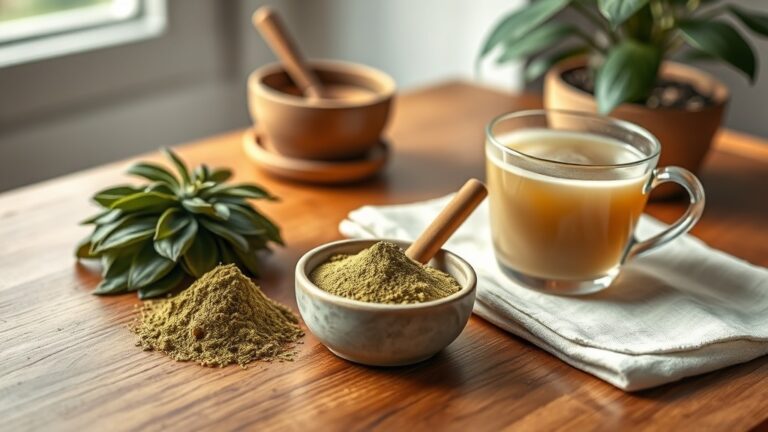
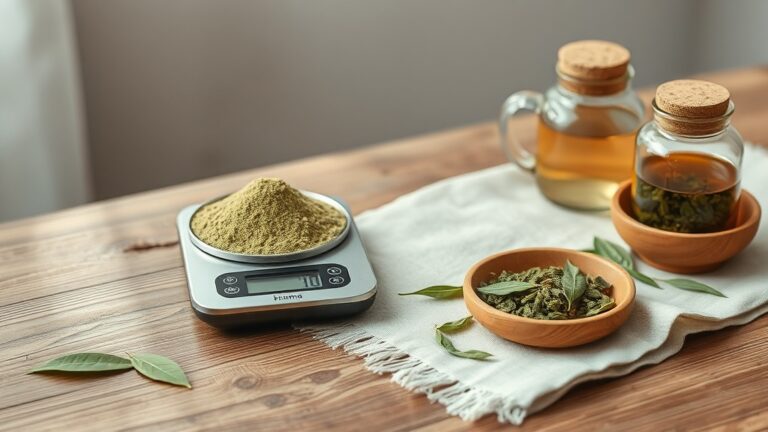
There’s another way to approach this. A handful of natural botanicals — kratom, adaptogenic herbs, and specialty teas — offer energy support that works with your body’s own systems instead of hijacking them. Below, we look at what these options are and how they compare to the usual quick fixes.
Why Conventional Energy Boosters Fall Short
Most commercial energy products lean on caffeine, sugar, and synthetic stimulants. These ingredients spike alertness fast by triggering stress hormones and blocking adenosine, the brain chemical that makes you feel tired.
That immediate lift feels good — you’re sharp, alert, ready to go. But the body adapts quickly. Over time you need more of the same substance just to get the same effect, while the actual cause of your fatigue never gets addressed.
That’s how the dependency cycle starts. Instead of fixing low energy, these products just cover it up. Real, lasting energy means supporting the systems your body already uses to produce energy — not just forcing a jolt of stimulation on top of exhaustion.
Kratom: An Old Remedy With New Relevance
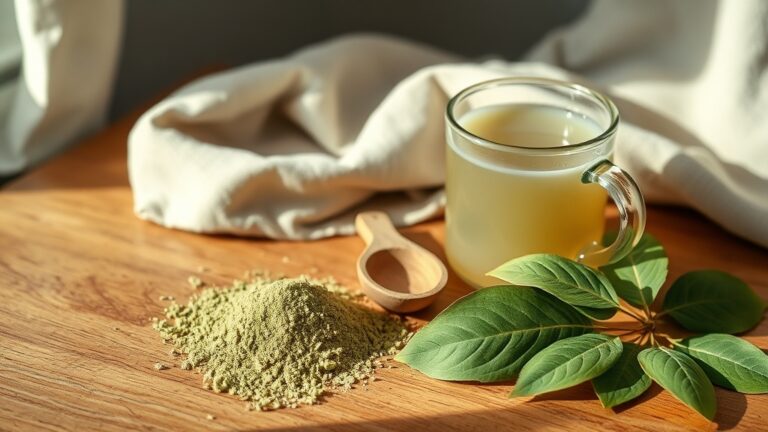
Long before energy drinks existed, communities across Southeast Asia relied on the leaves of Mitragyna speciosa — known as kratom — to keep going through physically demanding days. Laborers in Thailand and Malaysia would chew the raw leaves for stamina, a practice with a long history behind it.
Kratom has since found a new audience among people looking for alternatives to standard stimulants. But its effects vary quite a bit depending on the strain.
White Vein Kratom for Morning Focus
White vein kratom comes from younger leaves and is generally known for energizing, focus-sharpening effects. People who use it often describe the energy as cleaner than caffeine — noticeably less jittery.
White Maeng Da is one of the more well-known strains in this category, often associated with better alertness and motivation. It’s commonly used in the morning or at points in the day when a stronger boost is needed.
What sets it apart from coffee, according to many users, is the absence of a hard crash afterward — the energy tends to feel steadier.
Green Strains for All-Day Productivity
For energy that holds up over a full day, green vein kratom is a common choice.
Green Maeng Da is known for longer-lasting effects — a mix of steady energy, focus, and a bit of relaxation, without the edge that caffeine can bring. Green Malay works more gradually, building over time rather than hitting all at once, and many say the clarity and motivation from it can last for hours.
These strains tend to suit:
- Long workdays that require sustained attention
- Creative work needing both energy and a clear head
- Situations where you want to stay productive without seeming wired
The real advantage of these botanicals is that they support your body’s energy rather than pushing it past its limits.
Other Botanicals Worth Knowing
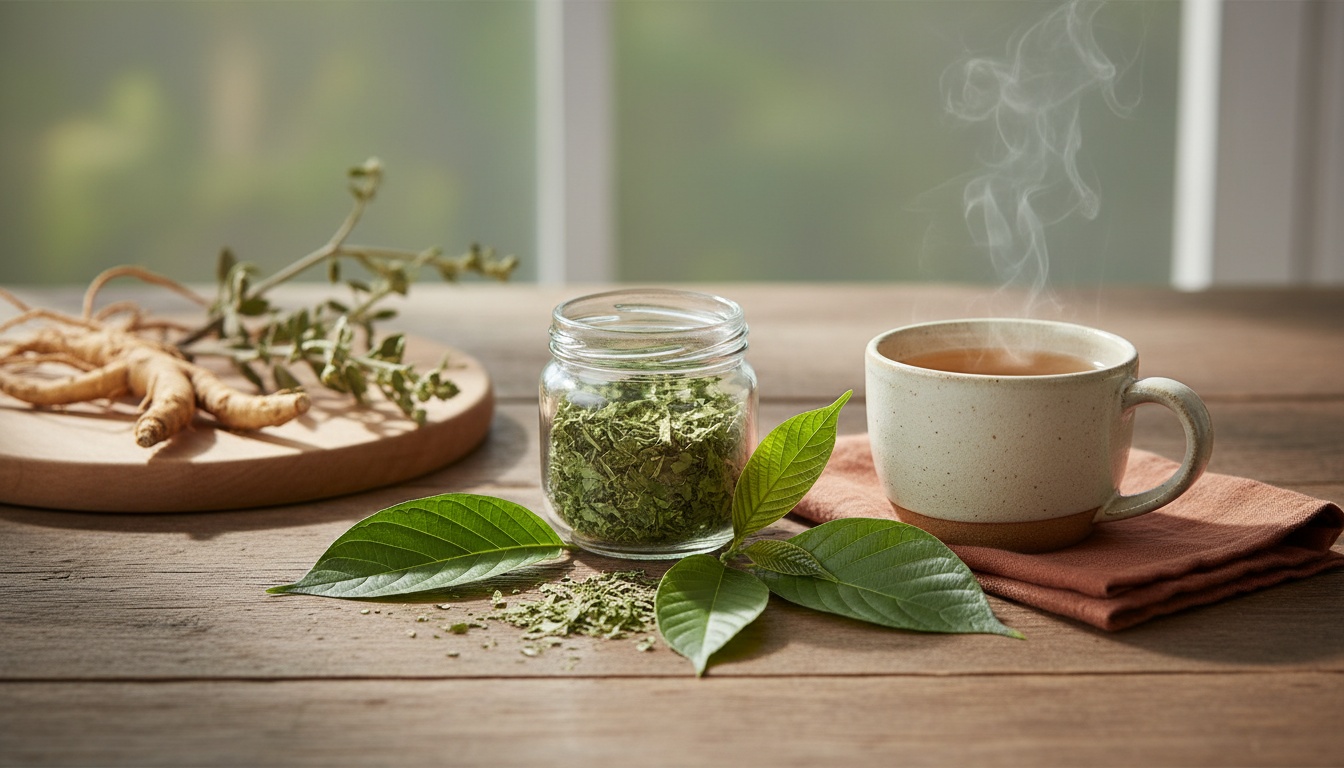
Kratom isn’t the only option. Adaptogenic herbs and certain teas can also help prevent fatigue over the long run, in a way that a quick caffeine fix doesn’t.
Eleuthero Root (Siberian Ginseng)
This adaptogen supports energy and stamina without the crash that comes with caffeine. It’s thought to work by supporting adrenal function and helping the body use oxygen more efficiently — useful during stretches of ongoing stress or when recovery time is limited.
American Ginseng
American ginseng offers a less common combination: it boosts energy while also calming the nervous system. That makes it a good option for people who get anxious or overstimulated on typical stimulants. Many describe the effect as mental clarity without racing thoughts.
Blue Lotus
Blue lotus provides mild stimulation paired with a relaxed sense of focus. It has a long history in Egyptian ceremonial use and has found a modern following for its balanced feel — good for situations where you want to stay alert but not wired, like social settings or creative work.
Quality Matters
The benefits of any botanical depend heavily on how it’s grown, harvested, and processed. This is especially true for kratom, where quality can vary widely between suppliers.
When shopping, look for these markers of quality:
Third-Party Lab Testing
Trustworthy vendors send their products to independent labs to check potency, purity, and safety, including screening for heavy metals, pesticides, and microbial contamination. Ask for a Certificate of Analysis (COA) before buying if one isn’t already provided.
AKA GMP Certification
The American Kratom Association’s Good Manufacturing Practice program certifies vendors who follow strict quality control standards throughout production. It’s a solid indicator that a company takes consistency and safety seriously.
Transparent Sourcing
Good vendors know where their product comes from and are willing to say so. Look for companies that share details about their farmers and harvesting practices rather than relying on vague claims.
Finding What Works for You
Energy needs differ from person to person, and what works well for someone else might not suit you at all.
The best approach is to start small with any new botanical and pay attention — not just to how you feel right away, but how you feel later that day and the next morning. Keeping a simple log of your experiences can help you figure out what actually works, whether that’s a green vein kratom strain, an adaptogenic tea, or something else.
Context matters too. What you need during a demanding workweek probably isn’t what you need on a slow Sunday. Having a few different options on hand lets you match the tool to the moment.
Energy Is More Than a Product
Natural energy boosters can help, but they work best alongside good daily habits. No herb, however high-quality, can make up for chronic sleep loss, poor eating habits, or unmanaged stress. These botanicals support your energy systems — they don’t replace the basics.
A few habits worth prioritizing:
- Consistent, quality sleep
- Staying hydrated throughout the day
- Movement that energizes rather than wears you down
- Stress management through mindfulness or similar practices
- Nutrition that supports cellular energy production
Combine these fundamentals with the right botanicals, and the results tend to add up to more than either one alone.
Where This Is Headed
Interest in traditional herbs is growing, and research is starting to catch up with practices that have been around for generations. The alkaloids in kratom, the adaptogenic compounds in herbs like eleuthero, and the unique compounds in blue lotus are all getting more scientific attention than they used to.
The direction seems to be toward personalization — matching specific botanicals to your body’s actual needs rather than reaching for whatever’s on the shelf. For anyone willing to look past the usual options, these plants offer a way to build energy that holds up over time, rather than energy that has to be chased all day long.
Frequently Asked Questions
What are natural energizing herbal blends?
They’re plant-based combinations — kratom, adaptogenic roots, herbal teas — used to support energy and focus without the crash that often comes with caffeine or synthetic stimulants.
How does kratom differ from coffee for energy?
Kratom contains alkaloids like mitragynine, which may support steady alertness and focus without the sharp spikes and crashes typical of caffeine.
Which kratom strains are best for energy?
White vein strains are generally used for strong morning energy and focus. Green vein strains tend to offer more balanced, sustained energy across the day.
Can herbal teas support energy naturally?
Yes. Teas made from adaptogenic herbs, like Siberian ginseng or blue lotus, can support alertness with less jitteriness than typical caffeinated drinks.
Why does quality matter in herbal energy products?
Quality factors — lab testing, transparent sourcing, proper processing — directly affect potency, safety, and how consistent the effects are, whether you’re using kratom or another botanical.