
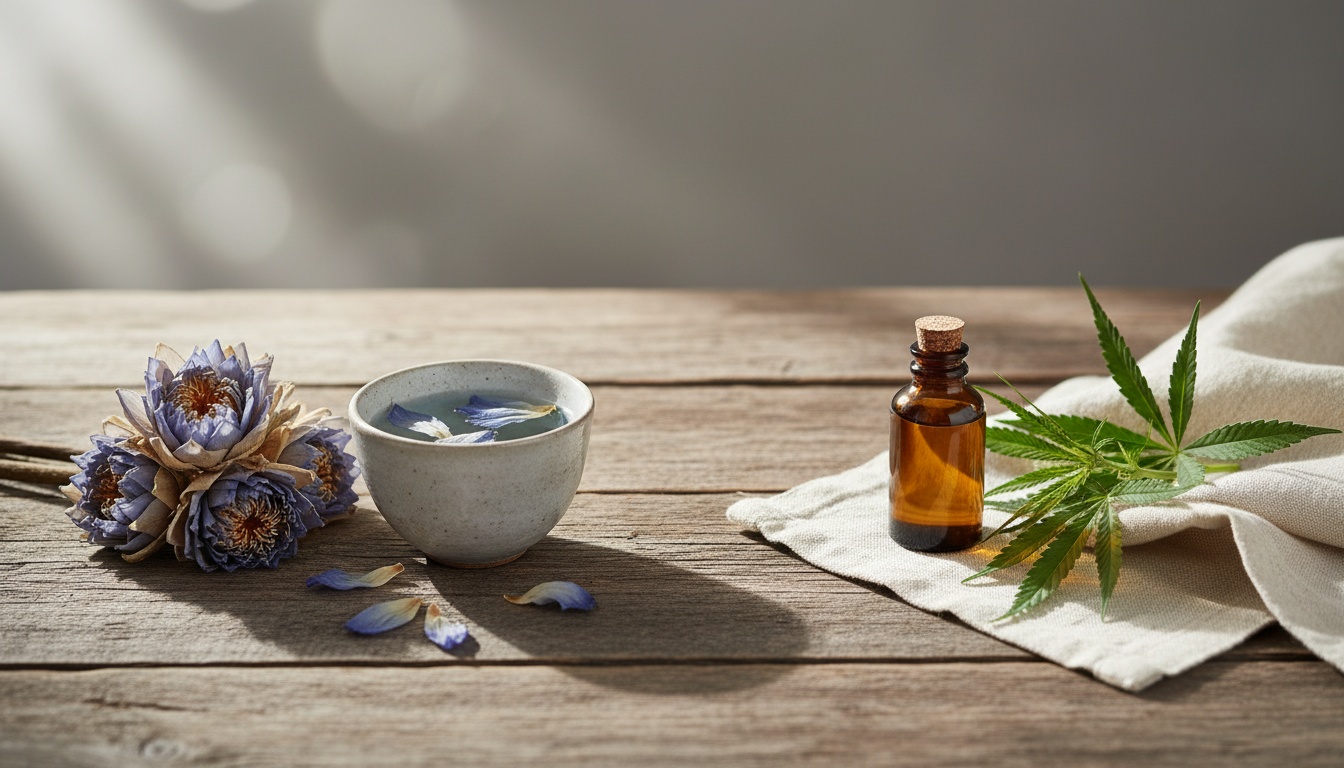
If you’re looking into natural ways to unwind or manage stress, two names tend to come up again and again: Blue Lotus and CBD. Both have earned a following in wellness circles, but they don’t work the same way, and they don’t feel the same either. Knowing what sets them apart can help you figure out which one — or maybe both — fits your routine.
What Is Blue Lotus?
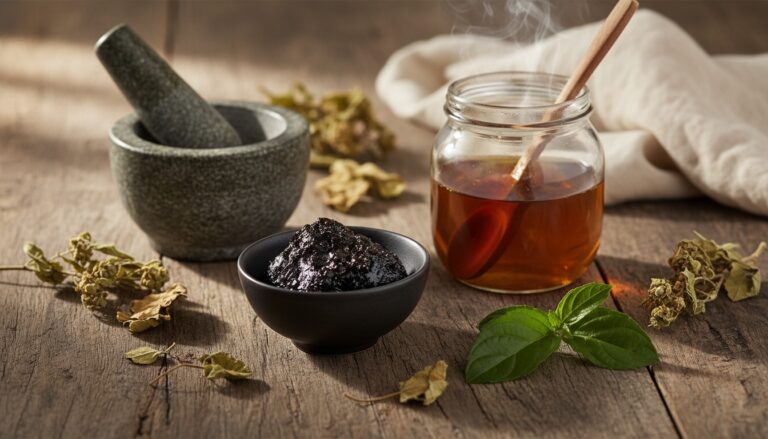
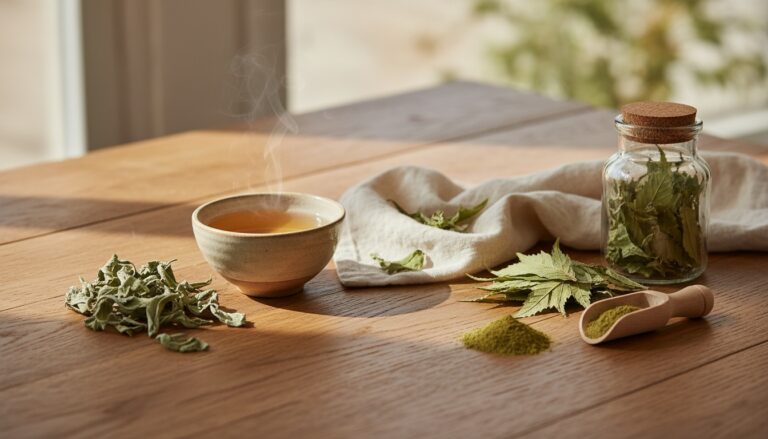
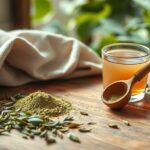
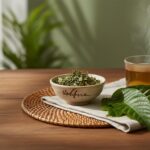
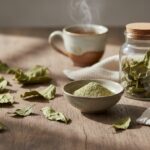
Blue Lotus (Nymphaea caerulea) is a flower with roots in ancient Egyptian culture, where it played a role in art, ritual, and even burial customs. The dried petals contain compounds such as aporphine and nuciferine, which many people say bring on a light sense of calm and mild euphoria. You’ll typically find it sold as dried flower for tea, powdered extract, or a smoking blend.
Modern science hasn’t studied Blue Lotus extensively, but its long track record in traditional practice says something about how people have valued it over the centuries.
Understanding CBD
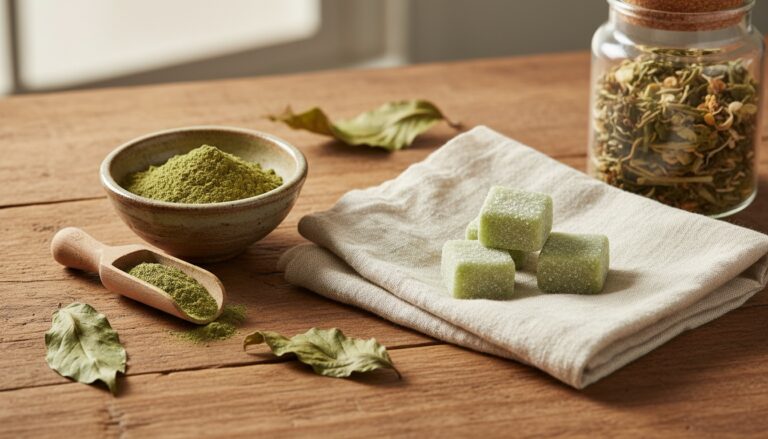
CBD, or cannabidiol, comes from hemp and won’t get you high the way THC does. Instead, it interacts with the body’s endocannabinoid system — a network involved in regulating mood, sleep, and stress response. You can find it as oil, capsules, gummies, or topical creams. If you’re new to it, it’s worth reading up on dosing basics before you start.
CBD has a larger body of research behind it compared to Blue Lotus, covering areas like stress and sleep. One thing to keep in mind: legally, CBD products need to stay under 0.3% THC, and quality varies a lot from one brand to the next.
How They Work: Different Mechanisms
These two botanicals take completely different routes in the body. Blue Lotus appears to interact with dopamine receptors, which may explain the mood lift and relaxed feeling people describe. Many say the effect feels gentle and a bit dreamy — the kind of thing that pairs well with meditation or a wind-down routine at night.
CBD doesn’t work that way. It engages the endocannabinoid system gradually, and most users don’t notice a dramatic “feeling” so much as a steady, subtle sense of balance that builds with regular use.
Comparing the Experiences
Blue Lotus tends to act fast — within 15 to 30 minutes, especially when brewed as tea or smoked. People often describe mild euphoria, more vivid dreams, and a relaxed state that’s noticeable but not overwhelming. That’s part of why it’s popular for evening use or meditation.
CBD is more of a slow burn. You might not feel anything right away. Instead, benefits like better sleep or lower daily stress tend to show up over hours, days, or even weeks of consistent use.
Potential Benefits and Considerations
Both are associated with relaxation, but they offer different things. Blue Lotus draws people in with its history and flexibility — you can brew it, use it in aromatherapy, or fold it into an evening ritual. Its mild, gentle nature appeals to people who want to unwind without anything too intense.
CBD appeals to a different crowd: those who want research-backed consistency and predictable dosing. Because it’s non-intoxicating, you can use it during the day without worrying about impairment, and the growing research base gives many users added confidence.
Quality Matters: What to Look For
No matter which one you’re considering, quality should come first. The botanical supplement market has huge variation in standards, and cutting corners can mean a disappointing product — or worse, a safety issue.
For Blue Lotus, look for sellers who are upfront about sourcing and processing. Good-quality product should have rich color, a pleasant smell, and a fine, consistent texture. Wild-harvested batches often pack more potency than mass-produced versions, though they usually cost more.
For CBD, check for third-party lab testing and easy access to Certificates of Analysis. Reputable brands test for potency along with pesticides, heavy metals, and leftover solvents, and they’re transparent about where their hemp comes from.
Making Your Choice
Your decision might come down to what you’re after. If you’re drawn to something with deep historical roots and like the idea of a noticeable, gentle effect, Blue Lotus is worth exploring. It’s easy to prepare in different ways and mild enough for most people.
If you’d rather have something backed by more research, with predictable dosing you can rely on, CBD is likely the better fit. Since it won’t cause impairment, it also works well across different times of day and different lifestyles.
Some people use both — Blue Lotus for an evening ritual, CBD as a daily support tool. There’s no rule saying you have to pick just one.
The Importance of Source and Processing
Whichever botanical you choose, understanding what makes a product good — or not — will improve your experience. Look for companies with direct ties to growers, clear labeling, and real investment in testing and quality control.
Processing matters more than people realize. Proper drying, grinding, and storage protect the active compounds and keep contamination out. Brands that skip these steps usually produce weaker, less reliable products.
Price isn’t a perfect indicator of quality, but suspiciously cheap products often mean something was cut somewhere along the way. Spending a bit more for a trustworthy source tends to pay off compared to gambling on the cheapest option.
Moving Forward with Natural Wellness
Blue Lotus and CBD are both legitimate options for natural relaxation — which one works best comes down to your own preferences and goals. Start small, see how your body responds, and always buy from sellers who are transparent about sourcing and testing.
The botanical wellness space keeps improving as buyers get more informed. Brands that prioritize testing and transparency stand out more and more, and better tools for verifying supply chains are likely on the way.
Keep in mind that “natural” doesn’t mean risk-free for everyone. If you’re on medication or managing a health condition, talk to a healthcare provider familiar with botanical supplements before trying something new.
Whether you’re pulled toward the ancient history of Blue Lotus or the modern science behind CBD, both can be part of a thoughtful approach to wellness — as long as you stick with quality products and use them with a bit of care.
Frequently Asked Questions
Which is stronger, Blue Lotus or CBD?
It’s less about strength and more about how each one works. Blue Lotus tends to produce quicker, more noticeable effects, while CBD works more subtly over time.
Can I use Blue Lotus and CBD together?
Many people do combine them without trouble, but it’s smart to try each on its own first to see how you respond.
How long do effects last?
Blue Lotus typically lasts around 2 to 4 hours. CBD’s effects can stick around 6 to 8 hours or more with regular use.
Are there side effects?
Both are generally well tolerated, though some people feel drowsy. Start with a small amount and hold off on driving until you know how it affects you.
Which is better for sleep?
Blue Lotus is often used in the evening for relaxation and more vivid dreams. CBD users tend to report gradual improvements in sleep quality over time.
Do I need a prescription?
No — both are sold as dietary supplements, though CBD rules can vary depending on your state.