



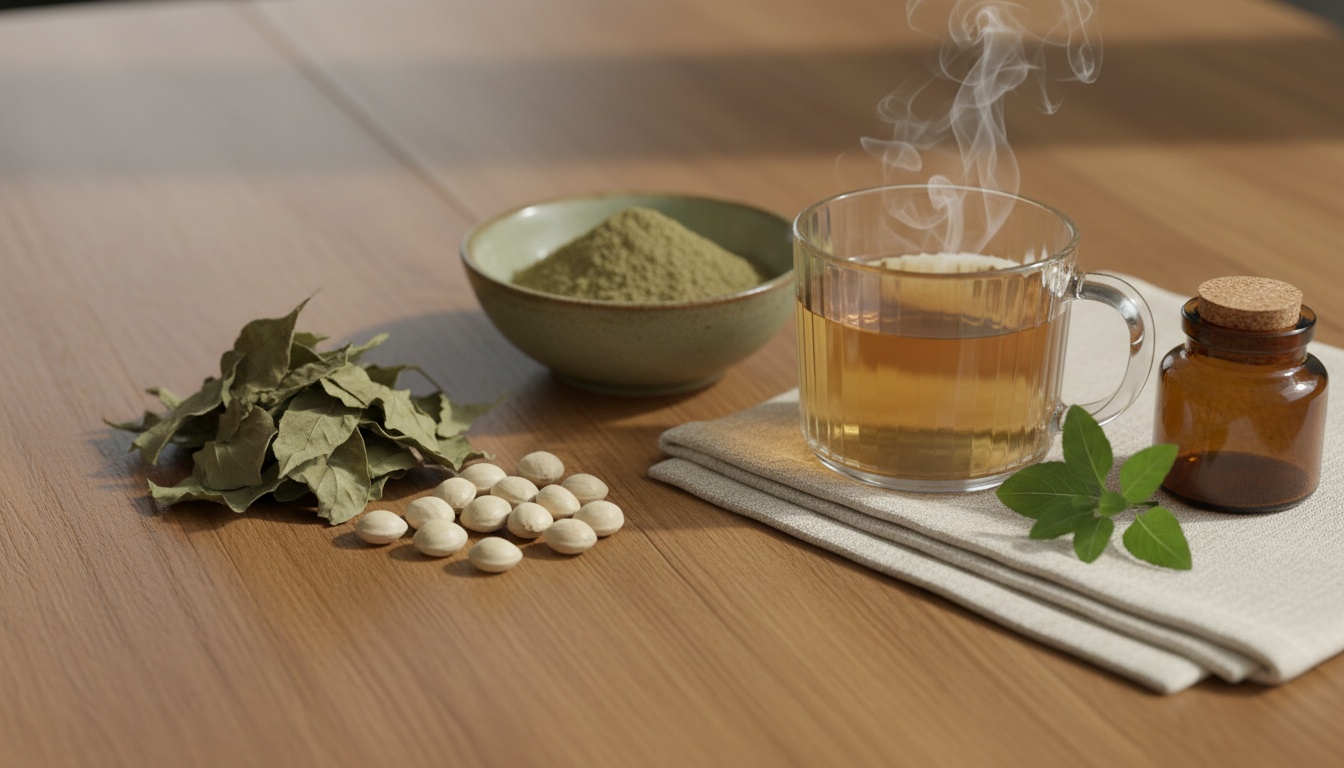
Botanical wellness products keep expanding into new territory. Kratom alone brought in $5.62 billion in sales in 2023, and industry forecasts put that figure at $15.92 billion by 2032 — nearly triple the current market in under ten years.
Kratom isn’t the only plant drawing interest, though. Akuamma seeds, native to West Africa, have started building a following among people looking for alternatives to Southeast Asia’s better-known export. If you’re trying to decide between the two, it helps to understand where they come from, how they work, and what using each one actually feels like.
Where They Come From
Kratom (Mitragyna speciosa) grows wild in the rainforests of Thailand, Malaysia, and Indonesia. Laborers there have chewed fresh leaves during long shifts for generations, a practice that predates any commercial market. Harvesters still hand-pick leaves at peak maturity and dry them using methods handed down over generations.
Akuamma has a different backstory. The seeds come from Picralima nitida trees found across tropical Africa — Ghana, Ivory Coast, and Nigeria in particular. Traditional healers in these regions have ground the bitter seeds into powder for various uses long before Western markets took notice.
Both plants carry real cultural weight in their home regions, and both have stayed in continuous use as part of established folk-wellness traditions.
The Chemistry Behind Each Plant
Kratom’s effects come from a complex mix of over 40 alkaloids. The two most studied are mitragynine and 7-hydroxymitragynine, which interact with several receptor systems in the body. That complexity is part of why kratom users report such a wide range of experiences depending on the strain.
Strain color tends to track with alkaloid content:
- Red vein strains generally carry more 7-hydroxymitragynine, often linked to relaxation.
- Green and white strains tend to have higher mitragynine levels, often associated with focus and energy.
Akuamma works on a simpler chemical profile. Its main active compound, akuammine, acts on specific receptor sites and produces effects some users compare to yohimbine. Because the alkaloid makeup is less varied than kratom’s, the experience tends to be more consistent from batch to batch.
How the Experience Differs
People who’ve tried both botanicals usually notice the difference right away.
Kratom’s effects shift with strain color, growing region, harvest timing, and even individual body chemistry. Red strains get used mostly in the evening for winding down. Greens sit in the middle. Whites tend to appeal to people wanting a morning lift. That variability gives users a lot of choice, but it also means more trial and error before finding the right fit.
Akuamma tends toward something steadier — a mild, gentle effect without the strain-to-strain guesswork kratom involves.
Timing differs too. Kratom typically kicks in within 30 to 45 minutes and lasts four to six hours. Akuamma comes on more gradually, sometimes taking a few hours to build, but the effects can linger longer with a slower tail-off.
Processing and Quality
Both plants need careful handling to stay true to their traditional form.
Good kratom goes through controlled harvesting, drying, and grinding, ideally in GMP-certified facilities that keep processing standards consistent. Third-party lab testing matters here — it’s the only real way to confirm a batch is free of heavy metals, pesticides, or microbial contamination.
Akuamma seeds get handled differently. Most are ground into fine powder, though some people prefer working with crushed pieces for more traditional preparations. The taste is notably harsher than most kratom, which is why capsules are popular among akuamma users who’d rather skip the raw powder.
For both botanicals, sourcing quality comes down to the same thing: suppliers who maintain real relationships with growers who know what they’re doing.
Market Size and Availability
The two markets look nothing alike right now.
Kratom has become one of the top-selling functional botanical ingredients, with reported sales over $441 million and year-over-year growth near 22%. That kind of demand has built out a large supply chain — powders, capsules, extracts, teas, and edibles from dozens of vendors.
Akuamma remains a niche product by comparison. Fewer suppliers carry it, and the range of product forms is much narrower. That scarcity cuts both ways: it takes more digging to find a reliable source, but the market is also less crowded, which can make it easier to build a trustworthy supplier relationship once you find one.
Legal Status
Kratom’s legal status is a patchwork. It’s legal at the federal level in the U.S., but several states and cities have passed their own restrictions, so it’s worth checking local rules before buying.
Akuamma generally faces fewer legal hurdles and is permitted in most places where botanical supplements are sold, which makes it appealing to people in areas where kratom is restricted. That said, laws around botanical products shift fairly often, so it pays to stay current regardless of which one you use.
What They Cost
Kratom pricing has settled into a fairly predictable range — typically $80 to $120 per kilogram for powder, with capsules costing more due to processing. Buying in bulk usually brings the per-dose cost down, especially for people who’ve settled on a strain they like.
Akuamma tends to cost more per gram, a reflection of its smaller supply chain and more complicated sourcing. But many users report needing less of it to get the effect they’re after, which can even out the cost per use over time.
Which One Makes Sense for You
A few practical factors tend to drive the decision:
Your tolerance for variety. Kratom’s range of strains rewards people who like to experiment. Akuamma suits those who want something predictable without much fuss.
Where you live. Kratom’s availability is broader, but akuamma may be the better legal option in restricted areas.
How your body responds. Some people do better with kratom’s range; others prefer akuamma’s steadier profile. There’s no way to know without trying — carefully.
Using Either One Safely
A few habits apply no matter which botanical you choose:
- Start small. Everyone responds differently, and dosing up slowly is the safest way to find what works.
- Buy from suppliers who publish lab results and hold GMP certification.
- Keep notes on timing, amount, and effects so you can spot patterns.
- Talk to a healthcare provider first, especially if you’re on medication or managing a health condition.
- Keep an eye on local law changes, since regulations in this space shift often.
Where This Market Is Headed
Kratom and akuamma are both part of a larger shift toward plant-based wellness options. As more people look for alternatives outside conventional products, demand is pushing suppliers toward better testing, clearer labeling, and more consistent quality across the board.
Whichever one you choose — or if you try both — the same principle applies: prioritize verified quality over convenience, and take time to learn about a product before relying on it regularly.
Frequently Asked Questions
Can I use kratom and akuamma together?
Some people do, but it’s smart to start with smaller amounts of each to see how your body reacts. Check with a healthcare provider before combining any botanical supplements.
Which one is better for beginners?
Akuamma tends to offer a gentler, more predictable starting point. Kratom offers more variety but takes more research to dial in the right strain and amount.
How do I spot a quality product?
Look for suppliers that provide third-party lab results, GMP certification, and clear sourcing details. Be wary of any vendor making big wellness claims or guarantees.
Do these botanicals interact with medications?
Possibly. Talk to your doctor before starting either one, especially if you’re taking prescription medication or managing a health condition.
How long do the effects last?
Kratom generally lasts four to six hours. Akuamma can last longer with a slower decline. Individual results vary based on body chemistry and amount used.
What’s the best way to start?
Take the smallest recommended amount, track how you feel, and wait at least a couple of hours before considering more. Patience matters more than speed here.
Where can I find more reliable information?
Stick with suppliers who focus on education and transparency, and cross-check anything you read in online communities against reputable sources or a healthcare professional.