



The kratom market has grown considerably over the past decade, with more consumers trying products and more companies competing for their attention. Amid that growth, Oasis Kratom has built a reputation among both buyers and industry watchers for quality, straightforward business practices, and customer care.
What Separates Top Brands from the Rest
Looking across the kratom market, a handful of traits keep showing up in the companies that rise to the top. These aren’t secrets — they’re just areas where many sellers cut corners, and where the better ones don’t.
Testing and Quality Control
Serious kratom sellers don’t stop at minimum requirements. The American Kratom Association’s Good Manufacturing Practices standards have become the baseline that responsible companies work from, and the strongest brands tend to go further than that baseline.
Third-party lab testing has turned into table stakes for any company that wants to be taken seriously. Shoppers increasingly ask for lab results showing purity, potency, and screening for contaminants before they’ll trust a new supplier. That kind of openness matters in an industry where product quality can swing wildly from one vendor to the next.
Knowing Where the Product Comes From
Customers want to know where their kratom is grown, not just where it’s sold. The companies that do this well maintain direct ties with farmers in Southeast Asia — Indonesia, Thailand, and Malaysia are the main growing regions.
Research published through the National Center for Biotechnology Information has shown that alkaloid content and overall quality can shift depending on growing conditions, harvesting practices, and how the leaf is processed afterward. Brands that build real relationships with growers tend to produce more consistent batches as a result.
The Customer Experience Side of Things
Product quality is only part of the equation. The brands that keep customers coming back also tend to get the operational details right — the parts of the business that shape how a purchase actually feels.
Teaching Customers, Not Just Selling to Them
The most trusted kratom companies act more like educators than storefronts. They put together strain guides, explain what the different vein colors mean, and try to give customers realistic expectations before they buy.
This isn’t unique to kratom — it mirrors a wider shift across the supplement industry, where buyers are asking for more transparency and companies are responding with better information, not just better marketing.
Getting Orders Out the Door Quickly
Shipping speed and reliability have become a real point of differentiation. Companies that lead the market often process orders the same day, offer several shipping options, and provide tracking so customers aren’t left guessing.
Free shipping thresholds, discounts for bulk orders, and subscription options round out the picture — small conveniences that add up to better satisfaction and more repeat business.
Certifications and Recognition
The kratom industry has built its own set of quality markers to help buyers tell reputable sellers apart from the rest. The American Kratom Association’s vendor certification program is probably the most notable example of this kind of self-regulation.
Companies that earn AKA certification are showing they follow Good Manufacturing Practices and hold themselves to the standards a responsible kratom seller should meet.
Outside Validation
Beyond industry-specific certification, many leading brands pursue other forms of outside verification — ISO certification for their facilities, organic certification for sourcing, or working relationships with independent testing labs.
Why Customer Reviews Carry So Much Weight
In this market, word of mouth matters. A lot of buyers lean on other customers’ experiences when they’re deciding whether to try a new brand or a strain they haven’t used before.
The companies doing this well actively ask for feedback and use it to make real changes to their products and service. Many display detailed customer reviews openly and respond to both praise and complaints in a professional way.
Building a Community, Not Just a Customer Base
Leading brands also tend to show up outside the sales page — active on social media, involved in educational outreach, and engaged in industry advocacy work.
That kind of involvement signals something beyond a sales relationship. It tells customers the company has a stake in where the kratom industry is headed, not just in moving product today.
How Experts Compare Brands
When people in the industry evaluate kratom companies, they tend to look at a similar set of indicators — signals that reveal how a business actually operates day to day.
Range of Products
Strong brands usually carry a wide product line: different strains, multiple formats like powders, capsules, and extracts, and package sizes that work for both occasional users and bulk buyers. If you’re not sure what to try, it’s worth comparing a few well-regarded products aimed at boosting energy to see what fits.
How Pricing Is Structured
The best kratom brands try to balance competitive pricing with consistent quality — they don’t chase low prices at the cost of safety or purity. Many offer tiered pricing that rewards bigger purchases while still keeping smaller orders accessible.
Where the Industry Is Headed
Kratom continues to change, and the companies that hold up well are the ones adjusting to new consumer expectations and shifting regulations. FDA oversight and state-level rules keep reshaping how these businesses can operate and market themselves.
Brands with strong reputations tend to hold themselves to high standards even before regulation requires it. That habit builds trust now and puts them in a better position if rules tighten later.
Product Innovation
Forward-looking kratom companies keep investing in how the product is made and delivered — better extraction methods, more stable formulations, or more convenient ways to take it — while still respecting how the plant has traditionally been used.
What It Means for Buyers
The recognition a company like Oasis Kratom gets from customers and industry observers offers a useful signal about what actually separates a decent kratom brand from a genuinely good one.
Quality control, honest sourcing, real customer service, and involvement in the broader kratom community — these are the same things that tend to produce a better buying experience and a more reliable product.
As the market keeps maturing, the brands holding onto these standards while still adapting to what customers want are the ones likely to keep earning that recognition.
Common Questions
What makes a kratom brand stand out from competitors?
Strong brands combine rigorous quality control, third-party lab testing, transparent sourcing, customer education, and solid service. Many also hold certifications from groups like the American Kratom Association.
Why does lab testing matter so much for kratom?
It’s the clearest way to verify quality. Reputable companies publish third-party lab results checking for purity, potency, and contaminants such as heavy metals, pesticides, and microbes.
What should I check before buying from a kratom supplier?
Look for clear sourcing information, thorough lab testing, useful educational content, responsive customer service, and reviews from verified buyers.
Can I trust customer reviews for kratom products?
Reviews are helpful, but focus on detailed feedback from verified purchasers. Watch for patterns across many reviews rather than relying on one or two comments, especially ones that mention specific strains and experiences.
Do industry certifications actually mean better quality?
Certifications like AKA GMP status show a company follows recognized manufacturing and quality control standards. They’re not a guarantee of perfection, but they do suggest a serious commitment to doing things right.
What really separates one kratom supplier from another?
The differences usually come down to sourcing relationships, quality control, product variety, pricing, customer service, and how much the company invests in educating its customers.
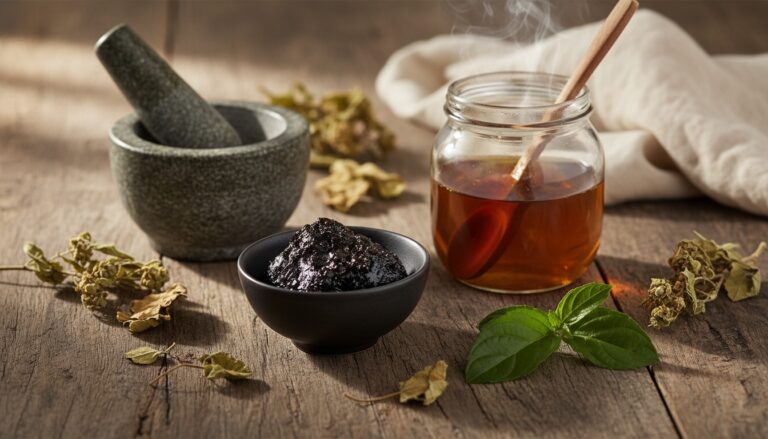
[…] compounds in kratom stand out for topical use. Catechin, a plant antioxidant, offers some UV protection and plays a role in […]