

Liquid kratom has gone from a niche product to one of the fastest-growing formats in the market, and it happened in less than a decade. Kratom syrup looks like something you’d find in a cough medicine aisle, tastes sweet enough to pass for candy, and kicks in faster than powder or capsules ever could.
So what sets it apart? The short answer comes down to concentration, how quickly your body absorbs it, and a simple demand for something easier to use. Liquid extracts now make up roughly 32 to 36 percent of the kratom extract market, with projections putting that segment at $184 million by 2031 and annual growth near 8.7 percent. Numbers like that suggest people have noticed a real difference in how liquid kratom works.
What’s Actually in the Bottle
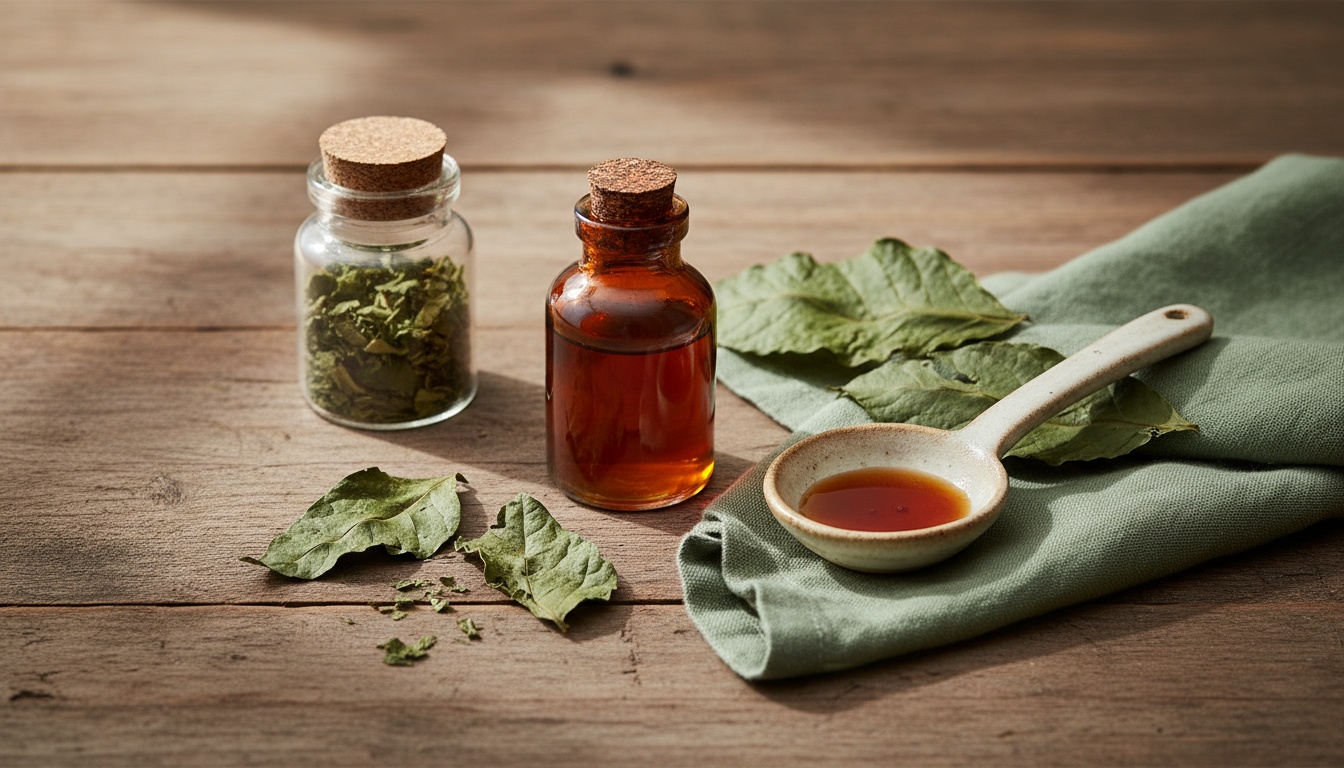
Kratom syrup is concentrated kratom extract mixed with a thickener, sweetener, and flavoring.
The base isn’t raw powder — it’s extract, meaning the manufacturing process has already pulled out and concentrated the active compounds, mainly mitragynine and 7-hydroxymitragynine. A few milliliters of syrup can carry the alkaloid equivalent of 5 to 10 grams of dried leaf powder.
Vegetable glycerin or coconut oil usually forms the thick, syrupy base, and these ingredients also help stabilize the alkaloids over time. Sweeteners and flavoring cover up kratom’s natural bitterness, which is strong enough that most people can’t tolerate it straight.
Most bottles hold about 2 ounces and come with measurement lines for dosing. The packaging resembles an over-the-counter supplement, which makes it easy to carry around and easier to dose consistently than trying to measure powder with a spoon.
Why Liquid Hits Differently
Your body doesn’t process liquid kratom the same way it processes powder or capsules.
Studies on bioavailability point to a real advantage here — some liquid formulations show about 1.6 times greater systemic exposure to mitragynine compared to traditional tea preparations. In practical terms, more of the alkaloid content actually reaches your bloodstream, and it gets there quicker.
Part of this comes down to the extraction process itself, which pulls alkaloids out more completely than steeping or chewing raw leaf. Once you swallow it, those already-dissolved compounds absorb faster through your digestive tract than solid material that still needs to break down.
Users commonly report feeling effects within 20 to 45 minutes with syrup, compared to 45 to 90 minutes for powder or capsules. That speed is a selling point for people who’ve used kratom before and want efficiency. But it’s also a reason for newcomers to be careful — a faster onset gives you less time to gauge how you’re reacting before the effects peak.
How People Take It
Labels typically list dosing in milliliters or teaspoons, and most people follow one of a few approaches.
Taking it straight is the simplest method. Measure the dose, drink it from the bottle or a spoon, done. Because it’s sweetened, this works in a way raw powder never could.
Others mix it into coffee, juice, or a smoothie. The syrup dissolves cleanly, without the clumping that often happens when you stir powder into liquid.
Some people take it with food, though eating alongside it can slow absorption a bit.
A smaller but growing group prefers holding it under the tongue for 30 to 60 seconds before swallowing. This sublingual method lets some of the alkaloids absorb straight through the mucous membranes, which can speed things up even further.
Whatever the method, the sweet taste removes the single biggest complaint people have about kratom — the bitterness of raw powder, which turns off a lot of first-time users before they even get past the taste.
Pricing and Availability
A standard 2-ounce bottle of kratom syrup usually costs between $12 and $25.
Concentration is the biggest factor behind that price range. Extracts with higher alkaloid content require more raw plant material and more involved processing, and that cost gets passed along.
Brand reputation matters too. Companies that invest in third-party testing, transparent sourcing, and additional botanical ingredients tend to charge more.
Even with rising interest, syrup remains harder to find than powder or capsules. Most general kratom vendors skip it entirely. You’ll usually need to go through retailers that specialize in extracts and alternative formats — which also means fewer options to compare and, potentially, less competitive pressure on quality.
Who’s Making It
A handful of vendors currently lead the kratom syrup market, each with a different audience in mind.
Legal Lean leans into wellness positioning, blending kratom with other botanical extracts for consumers who want a multi-ingredient product rather than kratom alone.
Blue Magic makes KraDeine, a heavily concentrated extract clearly built for people who already know kratom and want something stronger and faster-acting.
Apotheca carries O.P.M.S. Black, one of the most potent liquid kratom shots on the market. It sits at the top end of both price and strength, and it’s built a solid reputation among longtime users for being consistent batch to batch.
Each of these products serves a different level of experience and a different set of priorities.
Why Quality Control Matters More Here
Concentrating alkaloids into a small volume raises the stakes on accuracy. A measuring mistake with syrup has a bigger impact than the same mistake with loose powder.
Lab testing can now detect alkaloid concentrations down to a tenth of a percent, and multiple independent tests have turned up commercial kratom products with inflated or inconsistent alkaloid levels. That’s exactly why buying from GMP-certified vendors who publish current lab results matters — you can’t eyeball the quality of a liquid the way you might inspect powder or leaf.
Verification isn’t optional with a concentrated product. Look for lab reports confirming both alkaloid content and the absence of contaminants. Certification through the American Kratom Association’s GMP program adds another layer of accountability, since it requires regular facility audits and documented manufacturing standards.
Safety Basics Worth Repeating
Start low, even if you’ve used kratom for years. Liquid extracts behave differently than powder, and past experience with one format doesn’t fully translate to the other.
Give it at least 45 to 60 minutes before considering another dose. Because syrup acts fast, it’s easy to assume it isn’t working yet and take more too soon.
Don’t combine kratom syrup with alcohol, prescription medication, or other botanicals unless you understand the interaction risk — concentrated extracts amplify that risk.
Keep it stored somewhere cool, dark, and out of reach of kids and pets. Since it tastes like candy, accidental ingestion is a real concern in a way it isn’t with bitter powder.
Drink enough water. Hydration tends to matter more with concentrated liquid extracts than people expect.
And pay attention to how it actually feels. Even at doses that should match powder gram-for-gram, concentrated liquid can feel noticeably stronger simply because of how it’s delivered.
Where Syrup Fits
Kratom syrup offers something powder and capsules don’t: speed, convenience, and a taste that doesn’t fight you. The growth in liquid kratom sales reflects a real shift in what people want — an easier way to take kratom without the bitterness or the wait.
For people who already know their tolerance and want fast, portable dosing, syrup is a legitimate option. But its strength is also its catch — concentration demands more careful dosing and pickier vendor selection than powder does.
If you’re new to kratom, or unsure about jumping into concentrated formats, powder or capsules are a gentler starting point. They give you more control over small dosing increments, and the slower onset gives you time to see how you react before effects build. If you’d like to compare formats, take a look at our full kratom lineup.
Format Is Secondary to Fundamentals
It’s easy to get caught up in comparing formats and lose sight of what actually matters: lab testing, GMP certification, transparent sourcing, and using the product responsibly.
Those fundamentals apply whether you’re drinking syrup, mixing powder into water, or swallowing a capsule. Format changes how fast it works and how convenient it is to carry — it doesn’t change your need to verify quality or dose carefully.
Kratom syrup does what it’s designed to do: fast-acting, portable, easy-to-take kratom in a small bottle. Just make sure the vendor takes quality as seriously as you’re taking your dosing.
Quick FAQ
How long do the effects last?
Typically 4 to 6 hours, similar to other kratom formats. A faster onset doesn’t mean a shorter duration.
Can I make kratom syrup myself?
You can try, but getting a consistent alkaloid concentration without proper extraction equipment is genuinely difficult. Commercial products are more reliable for dosing accuracy.
Is syrup stronger than powder?
It’s more concentrated, not inherently stronger. A properly measured dose should deliver a similar alkaloid amount to an equivalent powder dose — it just works faster.
Does kratom syrup expire?
Yes. Most bottles have a shelf life of 6 to 12 months if stored properly. Check the expiration date, and watch for any change in color, smell, or texture. If a product arrives already past its prime, check the seller’s return policy.
Why does syrup cost more than powder?
Extraction takes more raw material, more equipment, and more processing steps than simply packaging dried leaf. The extra cost reflects that added concentration and convenience.