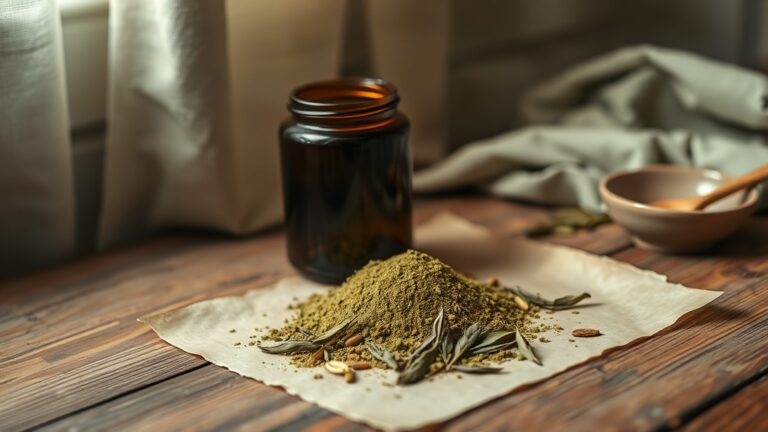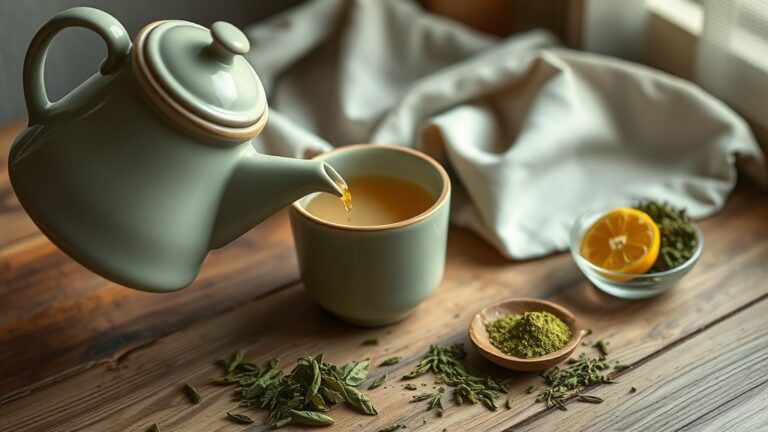


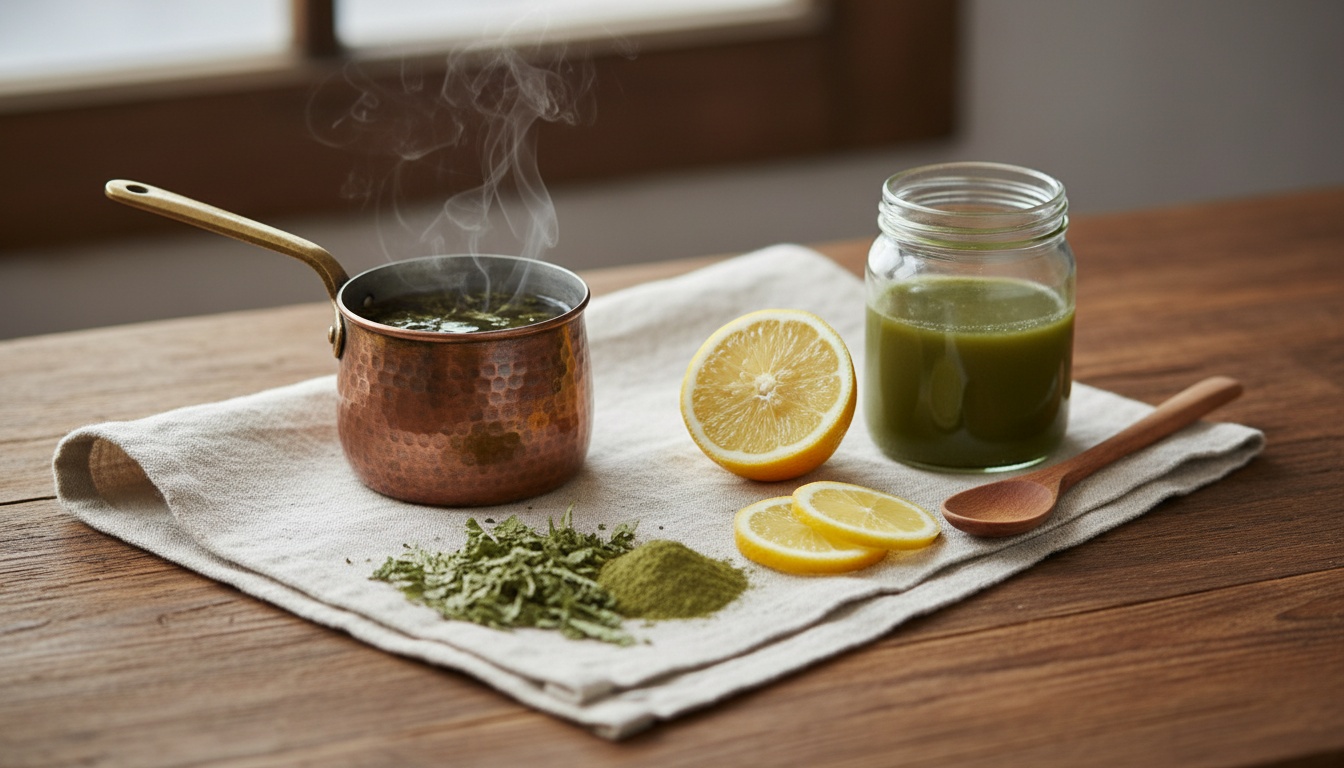
Making kratom extract at home isn’t as complicated as it sounds. Chances are you already have most of what you need sitting in your kitchen: water, lemon juice, a pot, and some quality kratom powder. That’s really the whole toolkit for basic extraction.
The goal is to pull the alkaloids out of the plant material and concentrate them into a stronger, more versatile form. What you end up with is easier to dose and packs more punch per volume than plain powder.
Here’s how the process works and how to do it properly.
What Extraction Actually Does
Extraction separates alkaloids from the fibrous plant cells and moves them into a liquid. Mitragynine, the most talked-about alkaloid, usually makes up only 1-2% of dry leaf weight — the rest is a mix of dozens of other alkaloids in smaller amounts.
When you extract, you’re pulling these compounds away from the plant fiber they’re bound to. What’s left is a concentrated liquid holding the same alkaloid content as the original leaf, just in a smaller volume.
Two things make this happen: getting the alkaloids to dissolve, and then separating the liquid from the solids. Most home methods lean on heat, acid, or a combination of both to get there.
Why Adding Acid Makes a Difference
Water by itself pulls out some alkaloids, but not very efficiently. Adding an acidic ingredient changes that. Acid converts the alkaloids into a salt form that dissolves in water much more readily.
Lemon juice works because of its citric acid. Vinegar works too, thanks to acetic acid. Either one does the job.
The acid isn’t creating new compounds or changing the alkaloids permanently — it’s just shifting their chemical form temporarily so they release into the liquid more easily. This is actually why traditional kratom tea recipes have used citrus for so long, well before anyone could explain the chemistry behind it.
Method 1: Simple Tea Extraction
This is the easiest starting point, and it works better than most people expect.
What you’ll need: kratom powder, water, lemon juice, a pot, and a strainer.
Step 1 — Combine the ingredients. Add your kratom powder to a pot with water — about one cup of water per serving of kratom. Mix in a tablespoon of lemon juice for every cup of water. The ratio doesn’t need to be exact, but more acid tends to improve how much you extract.
Step 2 — Heat it gently. Bring the mixture to a light simmer — small bubbles, not a full boil. Keep it at that temperature for 10 to 15 minutes, stirring now and then. The heat helps break down the plant cells while the acid converts the alkaloids into a water-soluble form.
Step 3 — Strain well. Once it’s done simmering, pour the mixture through a coffee filter or fine mesh strainer to remove all the plant matter. What’s left is your liquid extract.
Step 4 — Use it or store it. You can drink it right away, though it’s bitter and earthy tasting on its own — many people cut it with juice or flavored tea. It’ll keep in the fridge for a few days, or longer in the freezer. Some people simmer the strained liquid a bit longer afterward to reduce the volume and make it even more concentrated.
Method 2: Red Bubble Freeze Extraction
This method skips extended heating and uses freezing instead, producing a thicker, paste-like extract.
What you’ll need: kratom powder, lemon juice, hot water, and a freezer-safe container.
Step 1 — Mix powder with acid. Combine kratom powder with lemon juice until it forms a thick, batter-like consistency — wet enough to soak the powder, but not runny.
Step 2 — Add hot water. Pour in hot water roughly equal to the amount of powder used, and stir until it’s uniform.
Step 3 — Freeze it solid. Transfer the mixture to a freezer-safe container and freeze for at least 6 to 8 hours. During freezing, the alkaloids separate from the plant fiber, and you’ll often notice a reddish layer forming on top — hence the name “red bubble.” The freeze-thaw cycle ruptures the plant cells more thoroughly than heat alone, releasing alkaloids that might otherwise stay locked in.
Step 4 — Thaw and use. Let it thaw at room temperature. You’ll end up with a thick, pudding-like extract that’s easy to mix into food, baked goods, or honey to cut the bitterness. Because it’s thicker, it’s also easier to measure out consistent doses.
The One Thing That Matters More Than Technique
Here’s something most extraction guides skip over: your technique matters far less than what you start with.
A good extract preserves the leaf’s natural alkaloid mix. But if that leaf was harvested carelessly, dried improperly, or contaminated, extraction just concentrates those problems right alongside the alkaloids. Low-quality kratom can mean degraded compounds, inconsistent strength, or contamination — and no amount of careful technique fixes that.
Kratom harvested from mature trees and properly dried starts out with higher alkaloid levels to begin with. Lab testing is the only way to confirm both that the good compounds are present and that nothing harmful is mixed in.
Start with premium powder, and even basic tea extraction gives you strong, clean results. Start with questionable material, and even the fanciest method will disappoint. You simply can’t extract alkaloids that were never there.
Mistakes Worth Avoiding
Cranking the heat too high. Boiling can break down some alkaloids. A gentle simmer works better and keeps more of the alkaloid profile intact.
Skipping the acid. Water alone extracts something, but adding acid makes a real difference in efficiency — don’t leave it out.
Straining sloppily. Leftover plant bits make your extract gritty and unpleasant. Use a fine mesh strainer or coffee filter and take your time.
Starting with low-quality kratom. This is the mistake that undoes everything else. Extraction concentrates whatever you put in — good or bad.
What “Full-Spectrum” Really Means
Mitragynine gets most of the attention, but it doesn’t act alone. Dozens of other alkaloids contribute to the overall effect, and how they interact matters as much as any single compound’s presence.
Extraction methods that keep this natural balance intact tend to work better than ones that try to isolate a single alkaloid. Home extraction methods, like the two above, preserve that full spectrum — they concentrate what’s already in the leaf without disrupting the natural chemical relationships that built up over the plant’s growth.
That’s another reason starting material matters so much. You’re not just pulling out mitragynine — you’re preserving an entire profile of compounds that took the plant years to develop.
Which Method Should You Use?
Both work well; it depends on what you’re after.
Tea extraction is quicker and gives you a drinkable liquid right away — good if you want something ready to consume or mix into a beverage.
The red bubble method takes longer because of the freezing time, but the thicker end product is easier to work into food or other preparations — a better fit for baking or custom mixes.
Neither method needs special equipment or hard-to-source ingredients. Both lean on the same basic chemistry: acid improves solubility, then straining separates the alkaloid-rich liquid from the plant fiber. Try both and see which one fits how you actually plan to use it.
Storing Your Extract
Liquid extract keeps in the fridge for about 3 to 5 days. For longer storage, freeze it in ice cube trays so you can portion it out easily later.
The thicker red bubble extract holds up slightly longer thanks to its lower water content, but refrigeration is still a good idea either way.
Label your containers with the date and the strain you used — it makes it much easier to track what’s working for you over time.
If DIY extraction isn’t your thing, ready-made options like kratom extracts, capsules, or tea are worth a look too.
Why the Starting Material Matters So Much
Quality kratom sourced from Indonesian farms, harvested and dried properly, and verified through third-party lab testing gives you a real foundation to work with. That testing confirms both alkaloid content and the absence of contaminants — details you can’t check just by looking at powder.
You can find cheaper kratom elsewhere, but keep in mind that extraction magnifies whatever you start with. If you’re going to put in the time to make extract, it’s worth putting that same care into choosing your starting powder. The difference shows up in every batch.
Frequently Asked Questions
Can I use vinegar instead of lemon juice?
Yes. Vinegar’s acetic acid works the same way as citric acid does in lemon juice. The taste differs, but extraction efficiency is about the same.
How much stronger is extract than powder?
It depends on your method and how much you reduce the liquid. Generally, extracts run 2 to 5 times more concentrated than the starting powder. Start small until you know how strong yours is.
Can I reuse the leftover plant material for a second extraction?
You can try, but most of the alkaloids come out in the first pass. A second round will be noticeably weaker.
Why does my extract taste so bitter?
Kratom alkaloids are naturally bitter, and concentrating them makes that more pronounced. Mixing in juice, honey, or flavored tea helps a lot.
How long does the whole process take?
Tea extraction takes about 20 to 30 minutes total. The red bubble method needs 6 to 8 hours of freezer time but only about 10 to 15 minutes of hands-on work.
Does the kratom need to be lab-tested?
Yes — always. Extraction concentrates everything in the leaf, contaminants included, so starting with verified, clean material really matters.