



Most people shopping for kratom focus on the wrong things. They compare prices, pick whatever’s easiest to order, and take marketing copy at face value instead of asking for lab results. After years of watching what separates a good kratom experience from a frustrating one, the pattern is clear: the details you check before buying matter more than the brand name on the bag.
Below is a practical rundown of what to look for and what to avoid.
Know Where It Comes From
Good kratom starts with the source, not the packaging. A trustworthy supplier can tell you specifically where their leaves were harvested. Wild-harvested kratom from established farms in Indonesia tends to hold up better in quality than mass plantation output, and suppliers who deal directly with farmers usually offer fresher, more consistent product.
Before you buy, ask:
- Where exactly was this batch harvested?
- How much time passed between harvest and processing?
- Does the supplier have a direct relationship with the farms, or are they buying from a middleman?
Vague or evasive answers to any of these are worth paying attention to.
Ask for Lab Results
Every batch of kratom should have third-party lab testing behind it, covering heavy metals, microbial contamination, and alkaloid content. This isn’t a formality — it’s the only real way to know what you’re getting. Powder can look clean and still carry bacteria or wildly inconsistent potency.
Before purchasing, request current lab results (a Certificate of Analysis) for the specific batch you’re considering. Suppliers who provide this readily are generally the ones worth doing business with.
Learn the Strain Basics
Kratom is typically categorized by vein color, which reflects differences in alkaloid makeup:
- Red vein — often used in the evening, associated with relaxation
- Green vein — a middle-ground option, suited to different times of day
- White vein — often chosen for focus and energy
Popular names like Red Bali, Green Maeng Da, and White Borneo each have their own reputation, but people respond differently to the same strain. The best approach is to try small amounts of a few varieties and keep track of timing, dosage, and how each one made you feel. Over time this builds a reference you can actually rely on.
Pick a Format That Fits Your Routine
There’s no single “best” format — it depends on what you need.
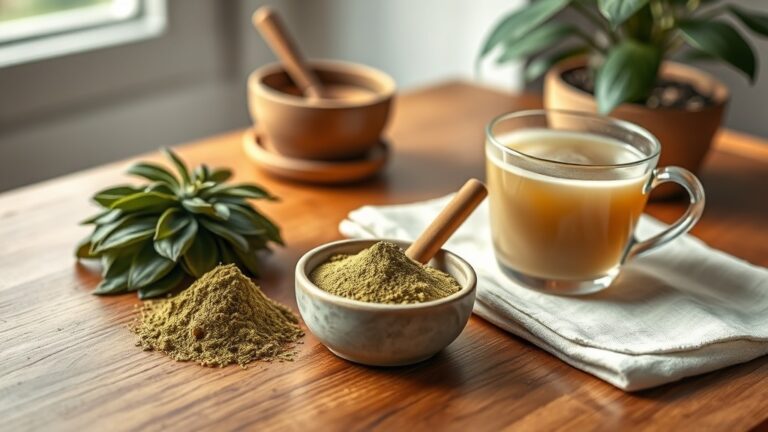
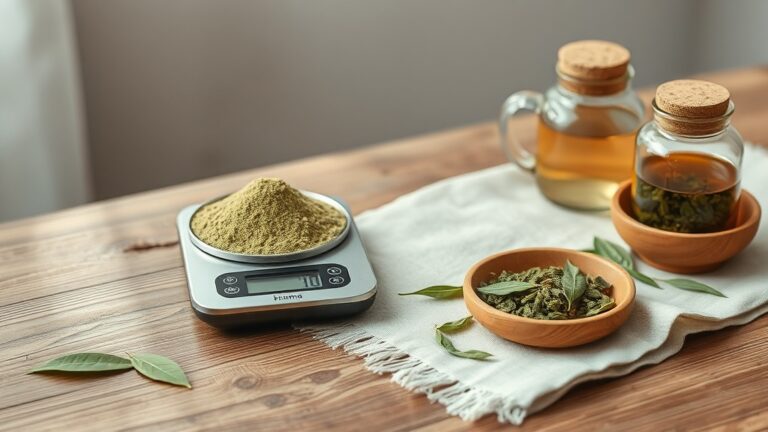
- Powder gives you the most control over dosage and tends to act faster. It’s easy to adjust and can be mixed into drinks or food.
- Capsules are more convenient and mask the taste, which makes them a good fit for people who want a consistent daily routine without measuring each time.
- Extracts and tinctures are more concentrated and require more caution with dosing. These are generally better suited to experienced users who know what effects they’re targeting.
Think about your daily schedule, how much you mind the taste, and how precise you need your dosing to be.
Use It Responsibly
A few basic habits go a long way:
- Start small. Take less than you think you need and increase gradually rather than starting at a high dose. (See our Kratom Dosage Guide for more detail.)
- Keep timing consistent if you use kratom regularly — your body adjusts to patterns, and irregular use can make effects less predictable.
- Take breaks. Using kratom continuously without any pause often leads to it feeling less effective over time.
Keeping a simple log — strain, amount, time of day, and how it felt — makes it much easier to figure out what actually works for you.
Choose a Supplier You Can Rely On
The relationship with your supplier matters beyond a single purchase. Reliable vendors keep their quality consistent order after order, answer questions directly, and stand behind what they sell. Look for established reputations, real customer reviews, and openness about their processes — GMP-certified processing facilities are a good sign that a company takes quality seriously.
If you’re trying to find trustworthy vendors, look specifically for ones known for consistency and product integrity rather than just convenience. If you use kratom regularly, it’s also worth comparing retail versus wholesale pricing — buying in bulk from a supplier you trust often works out to better value.
Store It the Right Way
How you store kratom affects how long it stays potent.
- Keep it in a cool, dry spot out of direct sunlight, in an airtight container. Moisture is the enemy of alkaloid content. (Our guide on storing botanical blends for freshness covers this in more depth.)
- Label containers with the strain and purchase date so you can track freshness and compare batches later.
- Don’t store kratom in bathrooms or anywhere humid — moisture invites mold and speeds up degradation.
Build Habits That Hold Up Long-Term
A few small habits make a real difference over time. Rotating between strains instead of sticking to one exclusively can help keep things from feeling less effective. Staying current on industry news, regulation changes, and new research helps you make better decisions as the market shifts. And working with suppliers who prioritize educating their customers — not just selling to them — tends to pay off in the long run.
Warning Signs to Watch For
A few red flags should make you think twice about a supplier:
- Health claims. Legitimate kratom companies stick to education, not promises about specific outcomes. Anyone making wellness claims is stepping outside responsible industry norms.
- Suspiciously low prices. Cost matters, but kratom priced far below market rate usually means corners were cut somewhere — sourcing, processing, or testing.
- No lab documentation. If a supplier can’t or won’t produce recent testing results, that’s a clear signal their quality control isn’t where it should be.
Final Thoughts
The choices you make before you ever open the bag largely determine your experience. Vetting your supplier, checking lab results, storing your kratom properly, and using it with a bit of discipline all add up. It takes more effort than just grabbing the cheapest option online, but it pays off in consistency and quality.
The industry is still maturing, and transparency and testing standards keep improving. Sticking to these practices puts you in a good position to benefit from that progress — and to avoid the mistakes that trip up a lot of first-time buyers.
Frequently Asked Questions
Can I use PayPal to buy kratom?
No — PayPal prohibits kratom transactions and may freeze accounts or funds if it’s used for that purpose. Bank cards, eChecks, or cash on delivery are safer options.
How do I know if kratom is high quality?
Look for a vibrant green color, fine and consistent texture, an earthy smell, and a recent Certificate of Analysis from third-party lab testing.
What’s the difference between red, green, and white vein kratom?
Red is generally linked to relaxation, green offers a more balanced effect, and white is commonly chosen for focus and energy.
Should I buy kratom online or in a store?
Online vendors usually offer more variety and better prices; physical stores offer instant access and the chance to ask questions in person.
What should I ask a kratom supplier before buying?
Where the kratom was harvested, how long processing took, whether they work directly with farmers, and whether they can provide a recent Certificate of Analysis.
Why is wild-harvested kratom often considered better?
Leaves from mature, wild-harvested trees tend to have richer alkaloid profiles compared to fast-grown plantation kratom.
How should I store kratom?
In an airtight container, somewhere cool, dry, and out of direct light. Label it with the strain and purchase date.
What does GMP certification mean?
It refers to Good Manufacturing Practice standards, often verified through the American Kratom Association, indicating a supplier meets specific quality and safety requirements.
Should I start with powder or capsules?
Powder gives you more control over dosage and acts faster; capsules are more convenient and remove the taste issue.
How do I avoid low-quality kratom?
Steer clear of suppliers making health claims, pricing far below the norm, or unable to provide lab testing documentation.
What’s the best way to try a new strain?
Start with a small amount, note the effects and timing, and build up your own record before trying larger doses.
How often should kratom be lab tested?
Every batch should be tested by an independent lab for heavy metals, microbial contamination, and alkaloid content, with results available on request.