

Most people treat kratom resin the same way they treat kratom powder — they eyeball a portion, skip the research, and dive in. That approach usually backfires. Resin is a different product entirely, and the mismatch between powder habits and resin potency is where most bad experiences start.
The core issue is concentration. Kratom powder generally contains 1-2% alkaloid content. Resin, produced through careful extraction, can reach alkaloid levels above 70%. That gap changes everything about how much you use, how you measure it, and how you consume it.
What Kratom Resin Actually Is
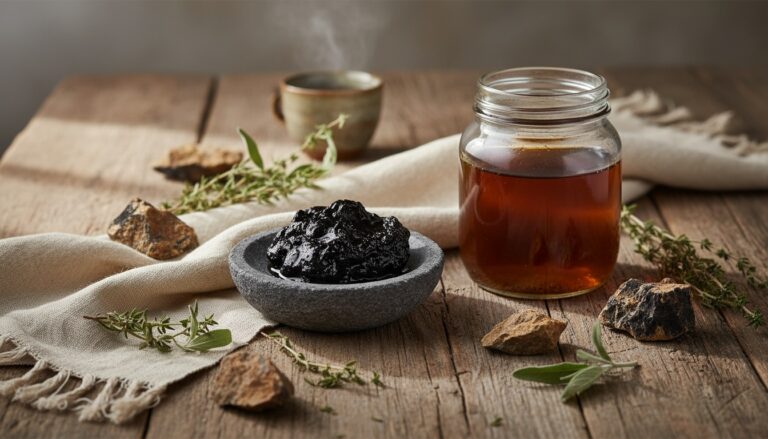
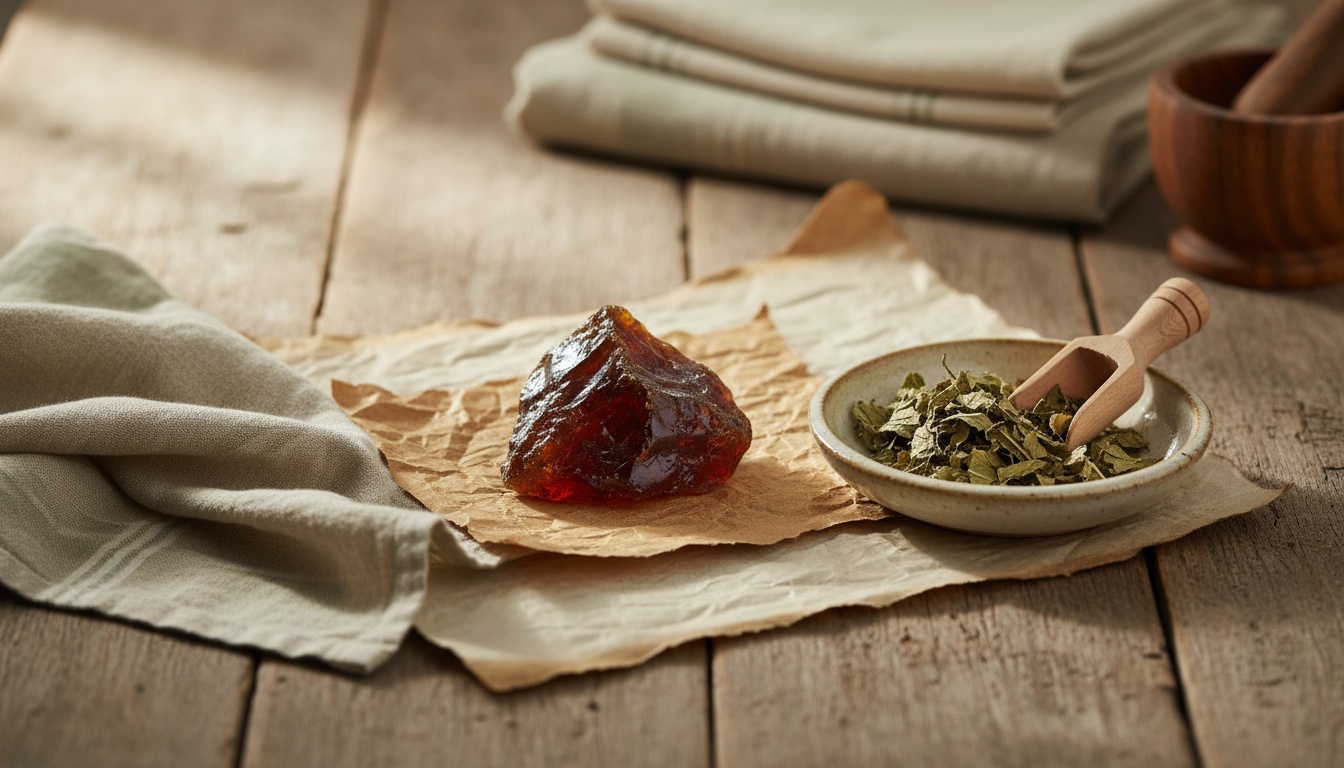
Resin comes from a reduction process. Producers simmer kratom leaf in water for an extended period, strain out the plant material, then keep heating the liquid until most of the moisture cooks off. What’s left behind is a hard, glass-like concentrate with far more alkaloid density than any powder or capsule.
Good resin looks like dark amber or black glass. When you snap a piece, it should break cleanly and show a consistent color inside — no visible plant fragments, no cloudiness.
Why the Concentration Difference Matters
The potency gap is the main reason resin trips people up. Resin can be as much as 15 times stronger than standard powder. That means a portion sized the way you’d normally measure powder could be wildly excessive with resin — a single gram of resin may pack the alkaloid punch of 15 grams of powder.
Starting small isn’t a suggestion here. It’s the whole strategy.
How to Prepare Resin Properly
Dissolving in hot liquid. This is the most dependable method. Break off a piece roughly the size of a grain of rice, drop it into 6-8 ounces of hot water or tea, and stir until it fully dissolves — usually 3 to 5 minutes.
Direct consumption. Some people prefer taking resin straight, followed by water. This requires extra caution since you skip the dilution that liquid preparation provides. Break off the smallest piece you can manage, let it sit under your tongue briefly, then swallow with plenty of water.
Tinctures. For more precise dosing, you can dissolve a measured amount of resin in high-proof alcohol, creating a solution where each drop delivers a known quantity of alkaloids. It takes patience to dissolve properly, but it’s the most controllable method available. If you’re unsure how much to use overall, our Kratom Dosage Guide covers that in more detail.
Safety and Side Effects
Because resin is so concentrated, it amplifies everything — the effects you want and the ones you don’t. Nausea, dizziness, dry mouth, and increased thirst are the common complaints. Push past your tolerance and you risk restlessness, agitation, or an upset stomach.
A sensible starting approach:
- Break off the smallest measurable piece you can.
- Wait at least two hours before considering more — resin absorbs more slowly and less predictably than powder.
- Stay hydrated throughout, since concentrated extracts can increase dehydration risk. Our guide on Kratom and Hydration covers this in more depth.
How to Judge Quality
Look at it. Good resin has even coloring, usually dark brown to black, with a smooth, glassy surface when fresh. Mold, odd smells, or a chalky, inconsistent texture are warning signs to walk away from.
Check for testing. Resin’s potency makes third-party lab verification even more important than it is for powder. A meaningful share of kratom imports fail basic microbial screening, so look for vendors who publish alkaloid content, heavy metals results, and microbial testing tied to the specific batch you’re buying — not old or generic reports.
Watch how vendors talk about their product. Reputable sellers explain their extraction process and give you actual alkaloid percentages instead of vague “high potency” marketing. Be wary of anyone promising specific effects or making wellness claims — that’s a sign they’re selling hype, not information.
Storing Resin Correctly
Keep resin in an airtight glass container, away from light, heat, and moisture. Glass holds up better than plastic over time, and silica gel packets help if you’re storing it somewhere humid.
Temperature swings can cause condensation inside the container, which invites mold. Keeping storage temperature steady and cool avoids that problem.
Tolerance Builds Faster With Resin
Regular use of a concentrated product like this tends to push tolerance up faster than powder does. Many users find they need longer breaks between sessions to keep resin working the way it did initially.
One workaround is rotating formats — using powder some of the time and resin only occasionally — rather than relying on resin exclusively. This can help preserve sensitivity while still giving you access to resin’s convenience when you want it.
Combining Resin With Other Preparations
Resin dissolves well into a standard batch of kratom tea, letting you boost potency without going overboard. Some people also mix small amounts into kava or other botanical drinks, though combining substances always calls for extra attention to how they interact and affect you together.
Buying Resin: What to Look For
Online versus local. Online vendors usually offer more selection and clearer information about sourcing and testing. Local shops are convenient but often provide less detail about what you’re actually buying. Either way, check community forums and reviews for a sense of a vendor’s track record.
Price. Resin costs more than powder because of the processing involved, though the cost per use often evens out since you need so much less of it. Be suspicious of resin priced unusually low — it usually points to poor source material or corner-cutting during processing.
Red flags. Skip any vendor who won’t share lab results, makes health claims, or dodges questions about their extraction process. Resin that’s rock-hard and won’t break with reasonable pressure may be over-processed or cut with something it shouldn’t contain.
Learning as You Go
Buy small amounts from established vendors while you’re still figuring out what quality looks like and how your body responds. This limits your risk while you build experience.
Keep notes — which vendor, which batch, how much you used, how it felt. That record becomes useful the next time you’re deciding what to buy or how much to take.
Final Thoughts
Resin offers real advantages in potency and convenience, but those advantages come with more responsibility, not less. Getting it right depends far more on caution and understanding your own response than on chasing the strongest product on the market.
This isn’t something to experiment with casually. Treat it like the concentrated extract it is — measure carefully, buy from vendors who are transparent, and give your body time to tell you how it’s reacting.
Frequently Asked Questions
What is kratom resin?
A concentrated extract made by simmering kratom leaf in water and reducing the liquid down to a dark, glass-like substance. It carries far more alkaloid content than regular powder — often up to 15 times stronger.
How do you use kratom resin safely?
Start with a rice-grain-sized piece dissolved in hot water or tea. Wait at least two hours before taking more, since effects can be delayed. Always begin smaller than you think you need.
What’s the difference between resin and powder?
Resin can reach alkaloid concentrations of up to 70%, compared to powder’s 1-2%. That means a much smaller amount of resin produces effects comparable to a larger dose of powder — precise measurement matters a lot more.
How should resin be stored?
In an airtight glass container, kept cool and away from light and moisture. Silica gel packets help in humid climates. Good storage keeps potency stable and prevents mold.
Is resin stronger than regular kratom?
Yes. Properly extracted resin can hit alkaloid concentrations above 70%, making it up to 15 times stronger than standard powder or capsules.