



The strength and character of your kratom got locked in long before it ever hit a drying rack. A farmer’s decision about when to pick a leaf sets the chemical makeup that will later shape whether you feel energized, relaxed, or somewhere in between.
Many buyers assume vein color is just a label slapped on for marketing purposes. It isn’t. White, green, and red designations track real differences in how mature the leaf was at harvest, and that maturity level directly shapes the ratio of active compounds inside it. Knowing how this works can help you pick strains that actually fit what you’re looking for.
Two Alkaloids, One Big Difference
Kratom’s effects trace back mainly to two compounds: mitragynine and 7-hydroxymitragynine.
Mitragynine makes up roughly two-thirds of kratom’s total alkaloid content. 7-hydroxymitragynine, by contrast, sits at around 2%. That small share matters a lot, though — studies suggest 7-hydroxymitragynine binds to the body’s primary receptor site about ten times more strongly than mitragynine does.
Because of that potency gap, even small shifts in the ratio between these two compounds can produce noticeably different experiences.
At lower amounts, mitragynine is often linked to feelings of energy and mental focus, with more sedating effects showing up at higher doses. It doesn’t act alone, either — your liver converts some mitragynine into 7-hydroxymitragynine during metabolism, which means this conversion step plays a real role in how you experience the plant.
7-hydroxymitragynine shows up in far smaller amounts naturally, but its added strength is why many people connect it with deeper calming effects.
The ratio between these two compounds isn’t fixed. It shifts as the plant grows and matures, and that’s exactly where harvest timing comes into play.
How Maturity Shapes Vein Color
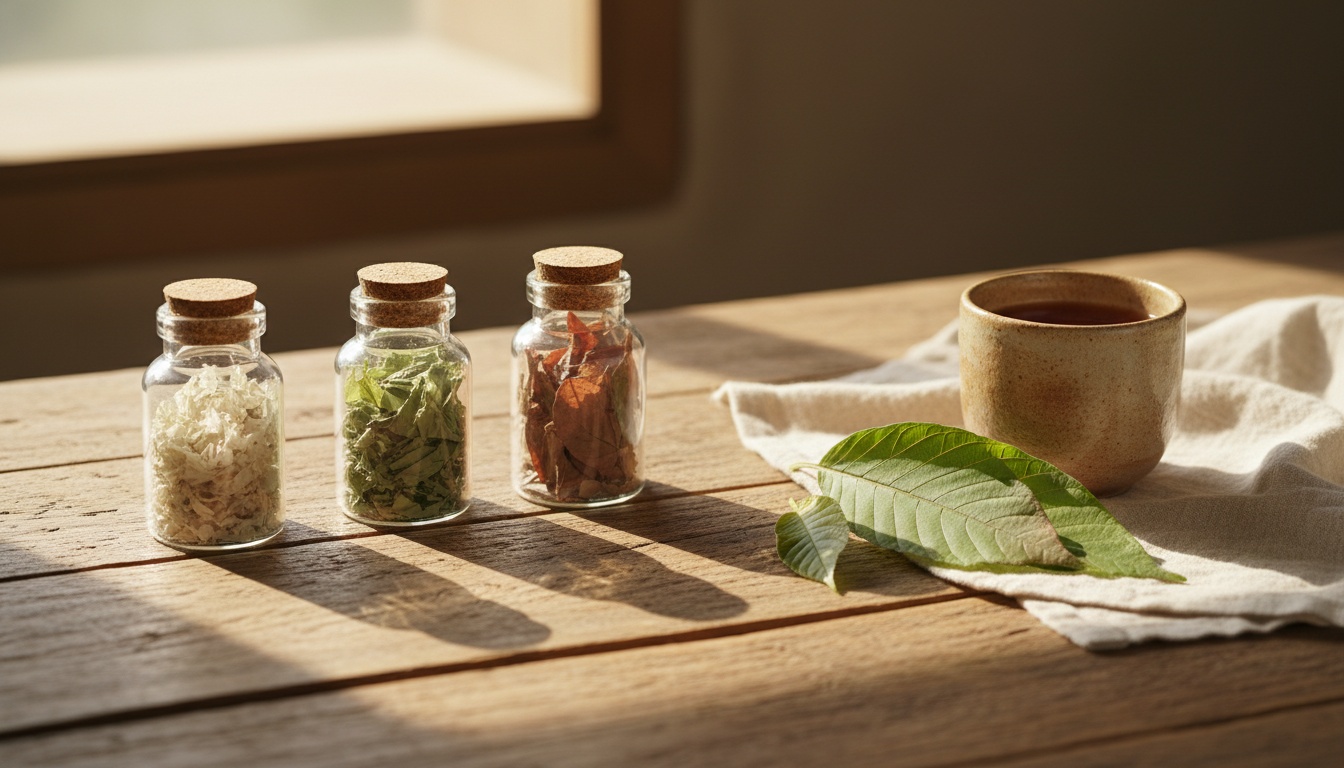
White vein kratom comes from leaves picked early, before they’ve had much time to develop.
At this stage, mitragynine dominates and 7-hydroxymitragynine stays low. That lopsided ratio is why white strains tend to get described as energizing and clarifying.
Green vein sits in the middle. Harvested partway through the maturity cycle, it carries a more even balance of the two alkaloids. That’s the reasoning behind describing green strains as offering mild relaxation alongside moderate energy.
Red vein comes from fully mature leaves, and this is where the chemistry gets more interesting. As kratom plants age, some of their mitragynine oxidizes and converts into 7-hydroxymitragynine. Fully mature leaves end up carrying more of that stronger compound simply because they’ve had time for this natural conversion to happen.
But maturity by itself doesn’t explain everything.
Drying and Processing Change the Picture Too
Research from 2025 looked at how post-harvest handling affects alkaloid content, and the results showed that processing method matters just as much as when the leaf was picked.
Drying indoors tends to preserve mitragynine, keeping that energizing profile intact. Drying outdoors in the sun, or letting the leaves ferment, pushes more mitragynine to convert into 7-hydroxymitragynine, shifting the profile toward calming effects.
Red vein kratom usually goes through longer or fermented drying after being harvested at peak maturity. Combine late harvest with oxidative drying, and you get the highest natural 7-hydroxymitragynine levels found in kratom products.
None of this is arbitrary. The color system reflects genuine chemical differences created through deliberate choices about when to harvest and how to dry the leaves afterward.
Timing the Harvest Right
Farmers typically time their harvest for the tail end of the dry season, when alkaloid levels peak.
Research out of the University of Florida backs this up, showing that mitragynine and related alkaloids like speciogynine and paynantheine climb steadily as leaves mature. The richest mitragynine content tends to show up in leaves picked frequently, particularly during the first growth surge after rain returns following a long dry spell.
The reason comes down to plant biology: during the dry season, growth slows and alkaloids build up in the leaf buds instead of getting used for new growth.
That means timing really matters. Wait too long once the rains start, and alkaloid concentrations get diluted as the plant redirects energy into fast growth. Harvest too early, before the dry season has run its course, and the leaves simply haven’t built up enough alkaloid content yet.
Tree age matters too. The best leaves tend to come from trees that are 2 to 3 years old. Younger trees do produce leaves, but they haven’t had enough time to develop full alkaloid potential.
Why No Two Batches Are Identical
Kratom contains more than 40 different alkaloids, and their levels shift depending on genetics, growing conditions, and processing choices. Even with careful attention to harvest timing, batch-to-batch variation is real and significant.
That’s the case for testing every single batch rather than relying on occasional spot checks. A meaningful share of kratom entering the U.S. — estimates run from roughly 15% to 25% — fails microbial testing standards. That’s part of why GMP certification and Certificates of Analysis have become important markers of a trustworthy vendor.
At Amazing Botanicals, every product goes through third-party lab testing before it’s sold — checking for alkaloid content, heavy metals, microbial contamination, and adulterants. We treat this as a baseline requirement, not an extra step. Our wild-harvested kratom comes from Indonesian farms we work with directly, processed in AKA GMP-qualified facilities, so we can verify sourcing at every stage.
You shouldn’t have to guess what’s actually in the product you’re buying.
Matching Strains to What You’re Looking For
Once you understand how harvest timing shapes alkaloid ratios, picking a strain becomes less of a guessing game.
Looking for energy and mental clarity? White vein varieties harvested young and dried indoors will have the highest mitragynine-to-7-hydroxymitragynine ratio.
Want something in between — a bit of both energy and calm? Green vein, from mid-maturity leaves, tends to land in that middle zone.
If relaxation and stress relief are the goal, red vein kratom — harvested at full maturity and processed with extended drying — carries the highest natural 7-hydroxymitragynine content.
Keep in mind that individual reactions vary. These patterns describe general tendencies by vein color, not a guaranteed outcome for every person. Start with a small amount when trying something new, pay attention to how your body responds, and keep notes on which strains and vein colors work best for you.
A Higher Bar for Transparency
The kratom industry looks very different than it did when Amazing Botanicals started in 2014. Back then, lab-tested kratom with verifiable sourcing was hard to find. Today, the American Kratom Association’s GMP Standards Program has set a quality benchmark that a large majority of vendors — around 87% by some estimates — now follow.
That shift benefits consumers directly. You have far more access to clear information about what you’re buying than you would have a decade ago.
We carry a wide range of kratom strains and formats — powders, capsules, extracts, shots, teas, and edibles — because different harvest timings and processing methods serve different needs. Every product reflects attention to alkaloid content and testing standards.
The Bottom Line
When you buy kratom, you’re buying the sum of decisions made along the way: when a farmer chose to harvest, how the leaves were dried, and whether the vendor committed to testing every batch. Harvest timing shapes the alkaloid profile. The alkaloid profile shapes the effects. And testing is what confirms you’re actually getting what the label says. That chain of accountability is what separates a quality product from the rest of what’s on the market.
Common Questions
What matters most for kratom quality?
Harvest timing, since it determines the alkaloid profile — and that profile is the main driver of potency and effect.
How does leaf age affect the alkaloids?
Younger leaves (white vein) lean toward stimulating mitragynine, mid-maturity leaves (green vein) strike a balance, and fully mature leaves (red vein) carry more of the potent 7-hydroxymitragynine.
What’s the best time of year to harvest?
Late in the dry season, when alkaloid levels are at their peak — rainy periods tend to dilute concentrations.
How old should a kratom tree be before harvesting?
Around 2 to 3 years. Younger trees produce leaves, but with lower alkaloid content.
Why does processing after harvest matter?
Because drying method affects which alkaloids dominate — indoor drying keeps more mitragynine intact, while extended sun drying or fermentation pushes levels toward 7-hydroxymitragynine.
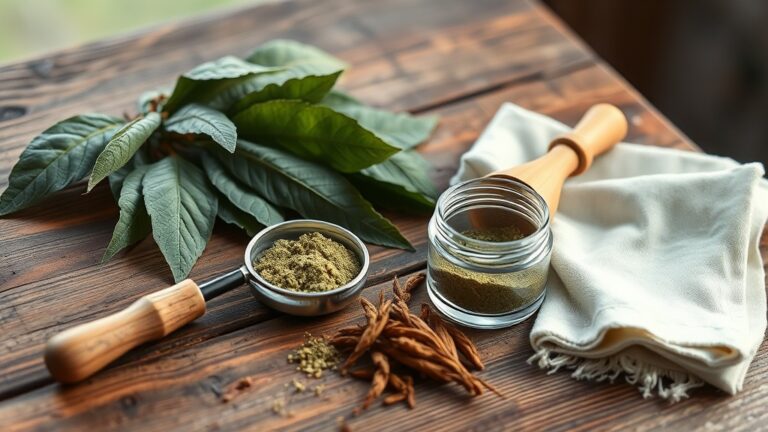
[…] Leaf maturity at harvest. Green kratom usually comes from leaves picked at a middle stage of growth; red comes from leaves left on the tree longer. […]