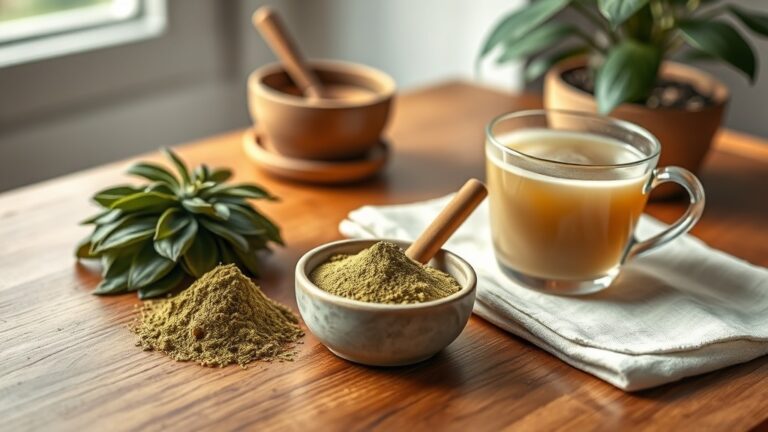



More people are stepping away from conventional wellness routines and looking toward plants their ancestors relied on for generations. This isn’t a passing fad — it’s a reconnection with traditional practices, now viewed through a modern lens. Kava, in particular, has earned a reputation as one of the more approachable botanicals for relaxation and stress relief.
But kava is just one piece of a much larger picture. Kratom, blue lotus, and other ethnobotanicals each offer something different for people exploring natural wellness. Knowing how they compare can help you choose what actually fits your needs.
Kava: A Pacific Tradition
Kava, or Piper methysticum, has roots in Pacific Island culture stretching back thousands of years. Communities in Fiji, Vanuatu, and neighboring islands have used it in ceremonies and social gatherings for generations, valuing it as both a social lubricant and a traditional remedy.
The plant’s active compounds, kavalactones, are responsible for its effects. Many people who drink kava describe a sense of calm that doesn’t come with the mental haze often associated with other relaxants. Unlike alcohol, kava tends to leave cognitive function intact — you can feel relaxed while still thinking clearly.
What makes kava stand out is how mild it tends to be compared to other botanicals. Users often report physical ease paired with a sense of sociability, which fits its long history as a communal drink. It doesn’t carry the intensity or dependency risks associated with stronger alternatives.
Kratom: A Different Kind of Botanical
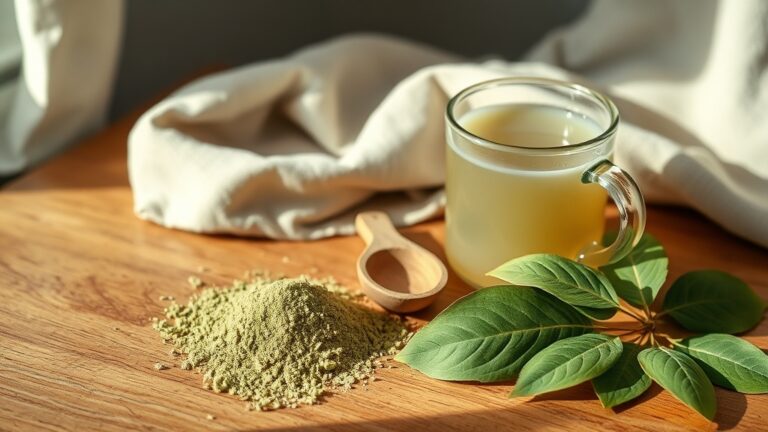
Kratom, or Mitragyna speciosa, comes from Southeast Asia, where laborers and communities have used it for centuries. Its effects can vary quite a bit depending on the strain and vein color.
Red vein strains are typically linked to relaxation and are often used in the evening. Green and white veins, on the other hand, are more commonly associated with focus and energy. This range is part of kratom’s appeal, but it also means dosage and strain selection matter more than they do with kava.
Kratom also comes with tradeoffs kava doesn’t have. Tolerance and dependency risks tend to be higher, and effects can hit harder. Many experienced users suggest starting with something gentler, like kava, before moving on to kratom.
Other Botanicals Worth Knowing About
Kava and kratom aren’t the only options. Blue lotus, used since ancient Egyptian times, is often associated with relaxation and vivid dreaming. People tend to describe its effects as subtle and pleasant — a good fit for winding down at night.
Passionflower is another traditional calming herb, and various adaptogens are used to help the body cope with stress over time. Each of these botanicals has its own history and its own set of reported effects, so it’s worth learning about them individually rather than treating them as interchangeable.
Why Quality Matters More Than You’d Think
Not all botanical products are made the same way, and the price differences you see reflect that. Cheap products often cut corners that more expensive ones don’t.
Quality botanicals require careful harvesting, proper drying and storage, and testing for contaminants and potency — all of which cost money. Skipping these steps is often how companies keep prices low, but it comes at the expense of safety and effectiveness.
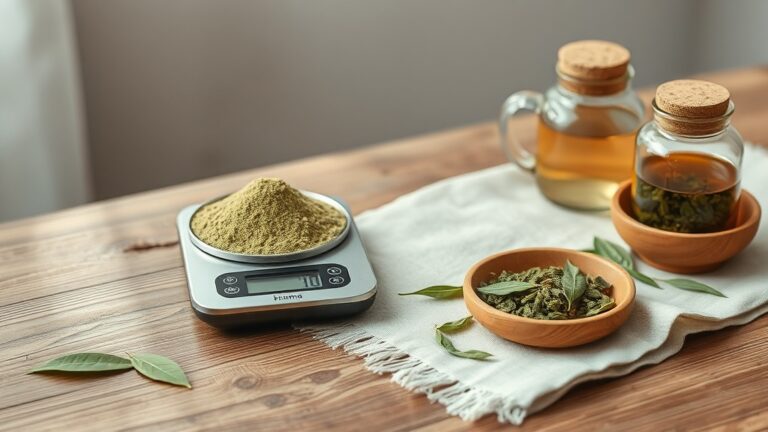
Third-party lab testing is the clearest way to verify quality. Look for suppliers who provide a Certificate of Analysis (COA) showing results for heavy metals, pesticides, microbial contamination, and alkaloid levels. Two batches of kava powder can look identical on the shelf, yet one might be fresh and potent while the other is stale or contaminated. Appearance alone won’t tell you which is which — that’s why sourcing from vendors who test and disclose their results matters.
Getting Started the Smart Way
If you’re new to botanicals, start with a small amount and pay attention to how your body reacts. Everyone responds differently, so what works well for someone else may not work the same way for you.
Kava is a reasonable starting point for beginners, given its gentler effects and lower dependency risk. It tends to deliver relaxation without many of the complications that come with stronger botanicals.
If kratom interests you, take time to research the strains and their typical effects. Red Bali or Red Borneo are often recommended for relaxation, while Green Maeng Da or white strains are more associated with energy and focus.
Whatever you choose, talk to a healthcare provider first — especially if you’re managing a health condition or taking medication. Long traditional use doesn’t rule out interactions with drugs or existing conditions.
Where the Industry Is Headed
Wellness habits are shifting, and the combination of traditional plant knowledge with modern testing standards is creating better, safer options than what was available in the past.
Retailers like Amazon now require third-party testing for many supplements, and buyers are asking more questions about where products come from and how they’re verified. This shift benefits everyone: consumers get more reliable products, and companies that invest in quality control stand out from those that don’t.
The overall trend points toward higher standards — more testing, more transparency, and more consumer education. Businesses that prioritize verification over marketing hype are the ones likely to earn long-term trust.
Final Thoughts
Exploring botanicals doesn’t need to be complicated. Do some research, prioritize quality over price, and choose suppliers who are upfront about testing and sourcing. Whether you’re drawn to kava’s calm, kratom’s range of effects, or another botanical entirely, the goal is to make informed choices suited to your own needs.
“Natural” doesn’t automatically mean risk-free. But with good information, careful sourcing, and sensible use, botanicals can be a worthwhile part of a wellness routine — one built on both traditional knowledge and modern safety standards.
Frequently Asked Questions
What’s the difference between kava and kratom?
Kava offers gentle relaxation without affecting mental clarity and carries a lower risk of dependency. Kratom’s effects vary more by strain and come with a higher risk of tolerance and dependency.
How do I know if a botanical supplier is reputable?
Check for third-party lab testing with available COAs, clear sourcing information, GMP certification, and honest product descriptions. Be wary of vendors making big wellness claims or selling suspiciously cheap products.
Which botanical should I try first?
Kava is a common starting point because of its milder effects and long safety record. Start small and check with a healthcare provider if you have any health concerns.
Are botanicals safe to use with medications?
They can interact with medications, so it’s worth talking to your doctor before combining any botanical with prescription drugs or existing health conditions.
What should I look for in lab testing?
Reliable testing checks for heavy metals, pesticides, microbial contamination, and alkaloid content. Reputable vendors provide current COAs confirming purity and potency.
How much should I expect to pay for quality botanicals?
Quality costs more because of proper sourcing and testing. Extremely cheap products usually skip these steps, so it pays to invest in tested, transparent suppliers.
Can I build tolerance to these botanicals?
Tolerance risk varies. Kratom carries a higher risk, while kava’s risk is generally lower. Taking breaks or rotating botanicals may help maintain effectiveness over time.
What’s the best way to start with botanicals?
Start with a small amount, research your options, choose suppliers who provide lab testing, and consider beginning with something milder like kava. Pay attention to how your body responds and adjust from there.