



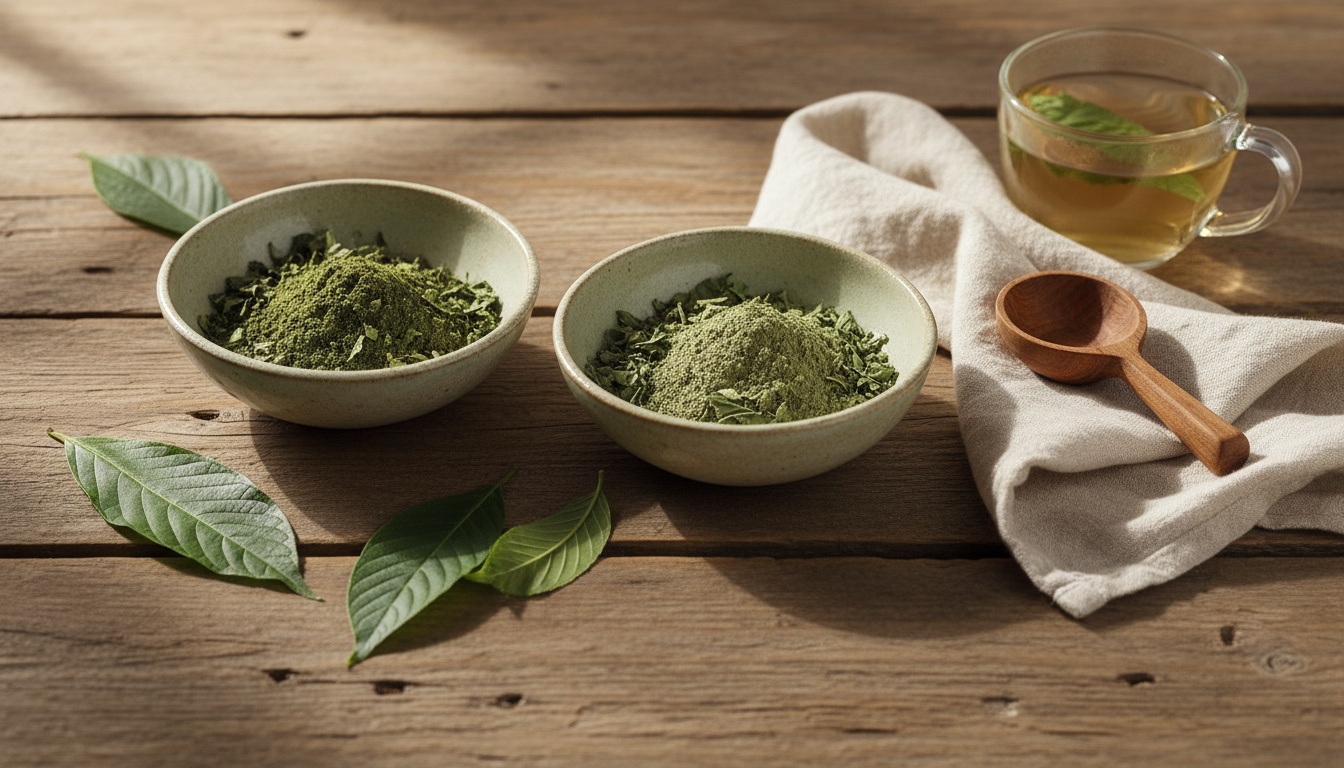
Two names dominate conversation among kratom buyers: Indonesian and Thai. Each carries its own reputation, shaped by where it grows, how it’s farmed, and the rules governing its export. But once you look past the labels, the real differences come down to practices rather than passports. Here’s what actually separates these two origins — and why the country of origin matters less than many buyers assume.
Where It Grows Affects What You Get
Indonesia supplies most of the world’s kratom, and there’s a straightforward reason for that: the archipelago has dozens of microclimates spread across multiple islands, each yielding leaf with slightly different alkaloid makeup. Decades of export experience have also built reliable supply chains and fairly standardized processing.
That scale brings a downside, though. Indonesian regulators have flagged contamination as a recurring problem among some exporters. That alone is a good reason to trust lab results over a country name printed on a bag.
Thailand tells a different story. The country legalized kratom in 2021, and that shift brought clearer rules and closer alignment with international safety standards. For buyers who care about compliance, Thai kratom has become an appealing option largely because of this regulatory backing — not necessarily because the plant itself is superior.
In short, growing conditions matter, but the rules a country enforces around production matter just as much.
Strain Names Are Mostly Marketing
Here’s something worth knowing before you shop: most of those exotic strain names don’t reflect real botanical distinctions. They’re branding.
What does reflect something real is the vein-color system — Green, White, and Red — which corresponds to actual differences in leaf maturity and processing. The American Kratom Association has pointed out that this is the classification system worth paying attention to, not the inventive names attached to it.
Within Indonesian kratom, Red Indo has built a reputation as a dependable baseline, especially from suppliers who test consistently. Green Indo tends to sit in the middle, offering a more balanced feel, while White Indo leans toward the more energizing end.
Thai kratom uses the same three colors, though it often sells at a higher price because of its perceived scarcity and regulatory pedigree. Green Thai gets marketed as offering something extra, but that’s largely positioning rather than a measurable difference. Red Thai is the most common and widely sold Thai variety — worth comparing against other red-vein options if you’re curious how regions stack up. White Thai has a reputation for holding up well even when growing conditions aren’t ideal.
Harvest Timing Changes Everything
Regardless of where kratom comes from, when it’s picked matters enormously. Studies on alkaloid content show peak levels around 4.94% in June, dropping to just 0.74% by October. That means the tail end of the dry season is generally the best window for potency.
Indonesian farmers sometimes face pressure to harvest more frequently to keep income steady, which can mean picking before alkaloid levels peak. More harvests can mean more short-term revenue, but it can also mean less potent leaf.
Thai producers, operating under a newer and more closely watched regulatory system, tend to follow tighter harvest schedules geared toward alkaloid quality rather than sheer volume.
That difference in approach — volume versus timing — can create real quality gaps between Indonesian and Thai kratom harvested in the same season.
Processing Standards Aren’t Identical
Indonesia’s kratom industry benefits from infrastructure built over many years of exporting at scale. Drying, grinding, and packaging tend to follow established, repeatable steps, and large operations can maintain batch consistency fairly well.
Thailand’s newer regulatory environment means closer oversight of processing. That can push quality control higher, though it can also raise production costs, which shows up in the final price.
GMP-certified facilities operate in both countries, but what “certified” means in practice can vary depending on local enforcement. The FDA’s cGMP guidelines lay out a general framework for these standards, but how strictly they’re applied depends on the region and the regulator.
Alkaloid Content: More Variable Than You’d Think
Both countries see natural swings in alkaloid content driven by environment. Indonesia’s spread across multiple islands means differences in soil, rainfall, and elevation — all of which shift alkaloid development, even within the same strain category.
Thailand’s more uniform tropical monsoon climate can support steadier alkaloid development across harvests, at least in theory.
Even so, batch-to-batch variation happens everywhere, driven by seasonal shifts, individual farm practices, and how the leaf is handled after harvest. The only reliable way to know what’s actually in a given batch is lab testing — ideally from an independent lab following AOAC International standards, rather than trusting origin claims alone.
Price and Positioning
Indonesian kratom generally offers better value, thanks to mature supply chains and higher production volumes. Competition among Indonesian suppliers tends to keep prices reasonable for buyers.
Thai kratom usually costs more, partly because of its regulatory reputation and partly because of perceived exclusivity.
One detail worth knowing: some kratom sold as “Thai” is actually grown from Thai seed stock in neighboring countries like Malaysia, where growing conditions may be more favorable. The genetic lineage is Thai, but the soil and climate aren’t. It’s a reminder that labels don’t always tell the full story.
What Actually Signals Quality
If you want to buy smart, focus on things you can verify — not the story printed on the label.
- Third-party lab testing for alkaloid content, heavy metals, pesticides, and microbial contamination matters far more than a country name or strain title.
- GMP-certified processing helps ensure consistent handling and lowers contamination risk, no matter where the kratom was grown.
- Direct supplier relationships offer better traceability than kratom that’s passed through several distributors before reaching you.
- Wild-harvested vs. cultivated is worth considering too. Wild kratom often shows more alkaloid variation, though sustainability is a valid concern with wild sourcing. Amazing Botanicals sources wild-harvested kratom powder through sustainable practices, for buyers who want that option.
So, Which Should You Choose?
Substance beats style here. Indonesian kratom brings consistency, wide availability, and competitive pricing — a solid choice whether you’re new to kratom or have been buying it for years.
Thai kratom brings regulatory assurance and sometimes distinct characteristics, but usually at a higher price that doesn’t always translate to noticeably better quality.
Either origin can deliver a good product if the supplier maintains real quality controls throughout the process. What matters most is choosing a seller who publishes lab results, sources transparently, and explains their standards — rather than one who leans on exotic strain names to sell you something.
Good kratom comes from good practices. The country of origin is just one piece of that picture.
Frequently Asked Questions
Which is stronger: Indo or Thai kratom?
Strength has more to do with harvest timing and processing than with country of origin. Alkaloid content shifts seasonally in both places, with late dry-season harvests generally showing higher potency.
Is Thai kratom actually from Thailand?
Not always. Some kratom marketed as Thai is grown from Thai seed genetics in other countries, like Malaysia. Lab testing and processing standards tell you more than a label does.
Why does Thai kratom cost more than Indo kratom?
Mostly because of regulatory compliance costs and perceived rarity. Indonesian kratom tends to be cheaper thanks to larger-scale, more established supply chains.
Do strain names like “Red Bali” or “Green Maeng Da” mean anything?
Most specific names are marketing. The categories that actually reflect real differences are the vein colors — Green, White, and Red.
Which origin is better for beginners?
Indonesian kratom tends to offer more predictable results because of standardized processing and long-established supply chains, making it a reasonable starting point.
How do I check kratom quality no matter where it’s from?
Ask for third-party lab results, confirm GMP certification, and look for suppliers who are upfront about sourcing. These details matter more than the country listed on the package.
Do Indo and Thai kratom differ in alkaloid content?
Both show natural variation driven by climate, farming practices, and processing — but these differences show up batch to batch rather than following a strict pattern by country.