
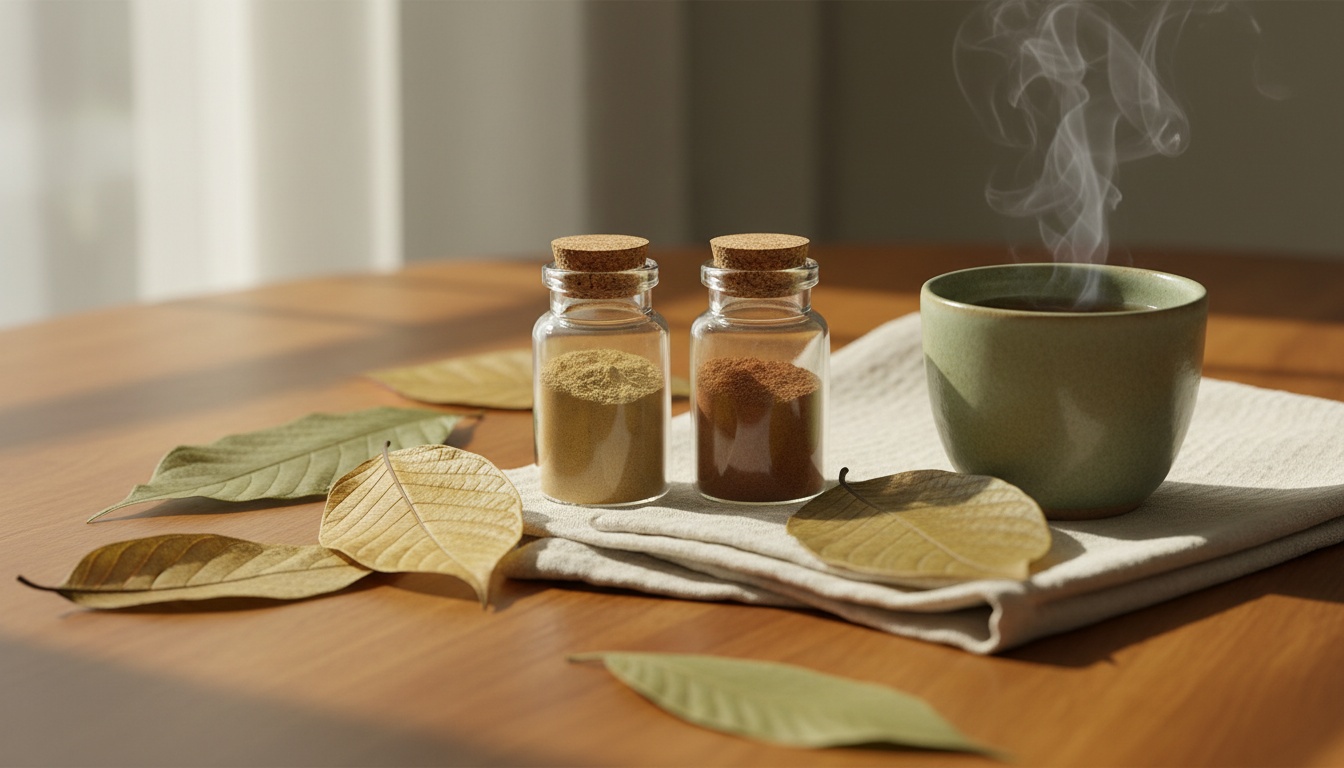
Gold Maeng Da doesn’t grow this way in nature. It starts out as Red Maeng Da and goes through an extra processing step that changes its color, its chemistry, and — for many buyers — its price tag. Knowing how that transformation happens makes it a lot easier to spot a well-made batch from a mediocre one.
How Red Becomes Gold
Gold Maeng Da isn’t a strain that grows on its own; it’s created.
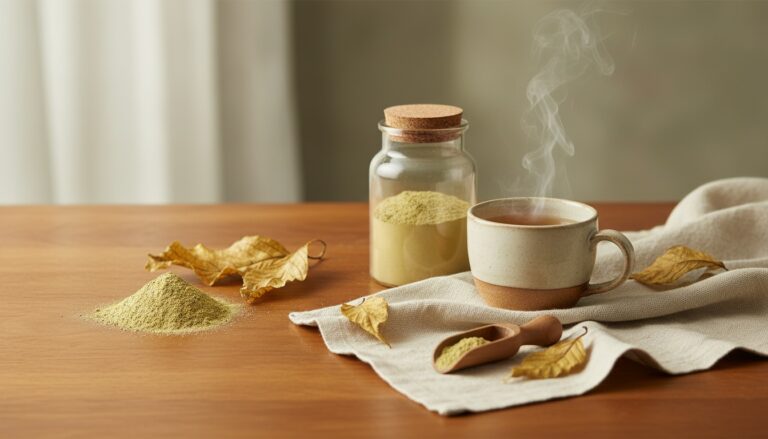
The most common method starts with Red Maeng Da leaves left out in direct sunlight for an extended stretch. Over time, the sun-drying shifts the vein color from red toward gold and changes the leaf’s alkaloid makeup along the way.
Getting this right takes tight control over light and time. Cut the process short and the leaves barely change. Push it too far and you lose the qualities that made Maeng Da worth seeking out to begin with.
A second approach skips the sun-drying entirely and instead blends red and green kratom directly, often in ratios like 50:50, 60:40, or 40:60. Each mix produces its own alkaloid balance and, in theory, its own set of effects.
Why the Manufacturing Process Matters So Much
The way Gold Maeng Da gets made says a lot about the gap between good and bad kratom production.
Careful processors run this in controlled settings, watching temperature and timing closely, because the longer processing window also means more chances for something to go wrong if standards slip.
That’s not the norm everywhere, though. A good deal of the kratom sold in the U.S. comes from operations with little oversight. Some Indonesian mills process leaves in open-air facilities where livestock have access. Others dry the leaves outdoors with no real protection from insects, birds, or bacteria.
Producing Gold Maeng Da well takes specialized know-how, which is exactly why not many facilities can pull it off consistently. That difficulty is a big part of why it’s harder to find and typically priced higher.
What Users Report
People often describe Gold Maeng Da as a middle-ground experience — not quite what you’d expect from a pure red or pure green strain, but something in between.
That tracks with how it’s made, whether through sun-drying or direct blending of the two vein types. A few patterns show up repeatedly in user descriptions:
Flexibility — many say it works reasonably well at different times of day, rather than feeling locked into a “morning” or “evening” role.
Predictability — because the processing is controlled rather than left to natural variation, batches can feel more consistent from one purchase to the next.
Strength — Maeng Da genetics paired with the extra processing step often yields higher alkaloid concentrations than more basic strains.
That said, everyone’s body responds differently. Tolerance, chemistry, and serving size all shape the actual experience, so what one person notices won’t necessarily show up for someone else.
How to Judge Quality
Because Gold Maeng Da is harder to make correctly, quality checks matter even more here than with simpler strains.
Ask how it’s made. Reputable sellers will tell you plainly whether their Gold Maeng Da comes from sun-drying, blending, or some hybrid method — and roughly how. If a vendor is vague about their process, that’s usually a sign they’re reselling bulk product from an unknown source.
Check the lab results. Legitimate Gold Maeng Da should come with batch-specific testing covering alkaloid content, heavy metals, and microbial safety. Generic certificates, or ones without dates, aren’t a good sign.
Look at the supply chain. Serious processors work directly with Indonesian farms and can tell you where the leaf came from and when it was harvested and processed.
Verify certifications. GMP qualification means a facility undergoes regular audits and keeps strict environmental controls. Membership in the American Kratom Association signals a commitment to industry best practices.
A Growing, More Scrutinized Market
The kratom market has been expanding quickly — from an estimated $5.62 billion in 2023, with projections putting it near $15.92 billion by 2032 at roughly a 12% annual growth rate. That kind of growth tends to bring both more informed buyers and more regulatory attention.
Gold Maeng Da sits right in the middle of that shift. It can’t be produced cheaply without cutting corners, which naturally separates vendors chasing volume from those focused on quality.
The American Kratom Association’s GMP Standards Program has pushed safety protocols further across the industry, requiring third-party audits, thorough testing, and validated sterilization — standards that distinguish serious processors from bare-bones operations.
How Amazing Botanicals Handles Gold Maeng Da
Amazing Botanicals has worked since 2014 to push kratom quality standards higher.
Our Gold Maeng Da is sourced through direct relationships with trusted Indonesian farms. Every batch goes through third-party lab testing for purity, potency, and contamination, and all processing happens in AKA GMP-certified facilities using FDA-validated sterilization methods.
We offer it in a few forms:
- Powder for traditional preparation and flexibility
- Capsules for convenient, pre-measured servings
- Extracts for those wanting a more concentrated alkaloid profile
Every format meets the same quality bar and comes with batch traceability, so you get lab results with your purchase instead of having to take anything on faith.
What to Look for Before You Buy
The best way to shop for Gold Maeng Da is to weigh actual evidence over marketing copy.
Find vendors who can explain their specific production method — fermentation timing, blend ratios, whatever it is — and who share harvest dates, processing locations, and supply chain details.
Confirm there’s current, batch-specific lab testing covering alkaloid profiles, heavy metals, and microbial contamination. Vague or generic certificates usually mean the product came from an unverified bulk source.
Check for GMP certification and AKA membership, both of which require ongoing audits and adherence to safety standards.
And pay attention to how a company talks about its products overall. Vendors serious about quality tend to be upfront about both the benefits and the limits of kratom, not just the sales pitch.
Where Premium Kratom Is Headed
Gold Maeng Da is a decent preview of where the industry as a whole seems to be moving. Careful processing, thorough testing, and full supply chain transparency are turning from nice extras into basic expectations.
What looks like a premium standard today will likely be the baseline tomorrow. The complexity behind making Gold Maeng Da well shows the level of care that’s becoming standard across kratom production generally.
Whether you’re just starting out with kratom or you’ve been buying it for years, the same checklist applies: look for transparency about how it’s made, insist on real lab documentation, and favor vendors who can show you where their product actually comes from.
Frequently Asked Questions
Is Gold Maeng Da a natural strain?
No. It’s produced either by sun-drying Red Maeng Da leaves or by blending red and green kratom varieties.
How is it made?
Through one of two methods: extended sun exposure that turns Red Maeng Da golden, or direct blending of red and green kratom in set ratios.
Why does it cost more?
The process demands specialized knowledge, controlled conditions, and more processing time — all of which limit how many facilities can do it properly.
What should I check before buying?
Look for clear information on how it’s processed, batch-specific lab results, GMP certification, and transparency about where the kratom comes from.
How can I tell if a batch is good quality?
Current lab documentation, a clear explanation of the manufacturing process, and traceability back to specific farms and harvest dates are all good signs.
Is it suitable for beginners?
Many people find it versatile, but responses vary from person to person. Starting with a smaller amount and talking to a healthcare provider first is a reasonable approach.