
Chances are you’ve heard of kratom. Its botanical cousin is a different story.
Mitragyna hirsuta grows in the same Southeast Asian forests as kratom and belongs to the same plant family. People in the region have used it for generations, yet it’s stayed largely under the radar for most folks exploring plant-based wellness options.
That’s beginning to shift. As kratom runs into regulatory roadblocks in various places, more people are turning to M. hirsuta as a legal option. The two plants have plenty in common, but the differences between them matter just as much as the similarities.
Here’s a rundown of what’s worth knowing.
The Basics
Mitragyna hirsuta is a tropical tree native to Thailand, Cambodia, and nearby parts of Southeast Asia, where locals call it “kra thum khok.”
It belongs to the Rubiaceae family, the same one that includes kratom and, somewhat surprisingly, coffee.
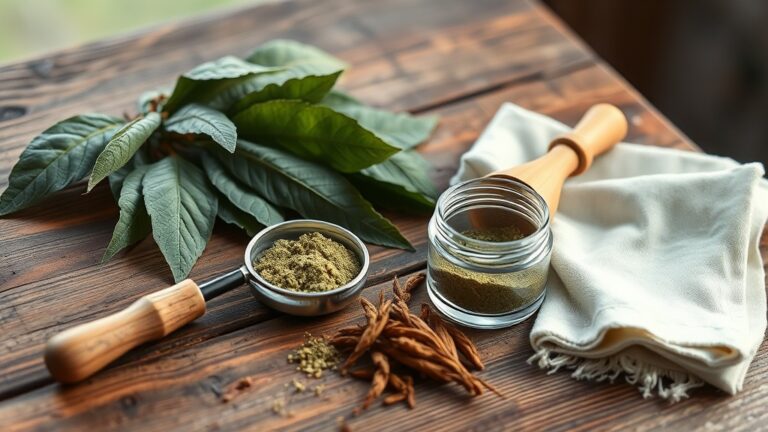
Visually, the leaves are hard to tell apart from kratom’s. Traditional users would chew them fresh or dry them for tea — a practice similar to how laborers and farmers historically used kratom to power through long days of physical work.
Looks only go so far, though. The real difference shows up in the plant’s chemistry. Kratom’s main compounds are mitragynine and 7-hydroxymitragynine. M. hirsuta’s dominant alkaloid is mitraphylline, which can make up close to 11% of some ethanol extracts.
This matters more than it might seem. Mitraphylline is an oxindole alkaloid, while kratom’s key compounds are indole alkaloids. That structural difference changes how each plant’s active ingredients behave once inside the body.
How It Became a Kratom Substitute
The relationship between these two plants isn’t just botanical — it’s historical.
When Thailand banned kratom in 1943, the demand for a similar botanical didn’t go away. People simply switched to Mitragyna hirsuta instead.
That same pattern shows up today. Wherever kratom gets restricted, M. hirsuta tends to fill the gap, offering many of the same traditional uses without the legal complications.
It’s a pretty clear illustration of how prohibition tends to work with plant-based products: when one option gets cut off, people look for something related rather than giving up the practice altogether.
How the Effects Compare
Users generally describe M. hirsuta as producing effects similar to kratom’s, just noticeably softer.
People report a boost in energy, a mild sense of well-being, relaxation, and some relief from physical discomfort. Overall, it tends to feel gentler than a comparable dose of kratom.
This likely comes down to how mitraphylline interacts with alkaloid receptors — apparently less forcefully than kratom’s primary compounds do. That could explain why the effects come across as more subdued.
Milder isn’t automatically worse, though.
If you want something gentle without an overwhelming sensation, M. hirsuta might actually suit you better. If you’re used to kratom’s stronger punch, it might feel like not enough.
A lot comes down to what you’re expecting and what you actually want out of the experience.
Where It Stands Legally
This is one area where M. hirsuta has a real edge.
Since it doesn’t contain mitragynine or 7-hydroxymitragynine — the compounds most regulations specifically target — M. hirsuta remains legal across all 50 U.S. states, even in places where kratom is banned or restricted.
That opens up options for people in areas where kratom simply isn’t available.
Still, the legal picture isn’t spotless. Like a lot of ethnobotanicals, M. hirsuta sits in a regulatory gray area. The FDA hasn’t approved it for human consumption, so many sellers label it “for external use only” as a way of working around that requirement.
That mismatch between labeling and how people actually use the product points to a bigger issue with botanicals that fall outside standard regulatory oversight.
How People Use It
M. hirsuta shows up in most of the same formats as kratom.
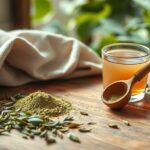
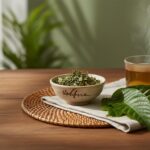
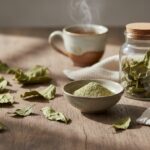
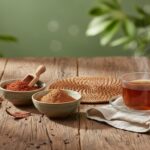
Powder is the classic option. People mix it into water, juice, or smoothies. It has an earthy, bitter taste — similar to kratom, though many say it’s a bit less harsh.
Capsules offer convenience and consistent dosing, without the taste. They take a little longer to kick in than powder but give you more control over how much you’re taking.
Extracts concentrate the alkaloids, delivering stronger effects in a smaller amount. These come as tinctures, tablets, or liquid shots for people wanting something more potent.
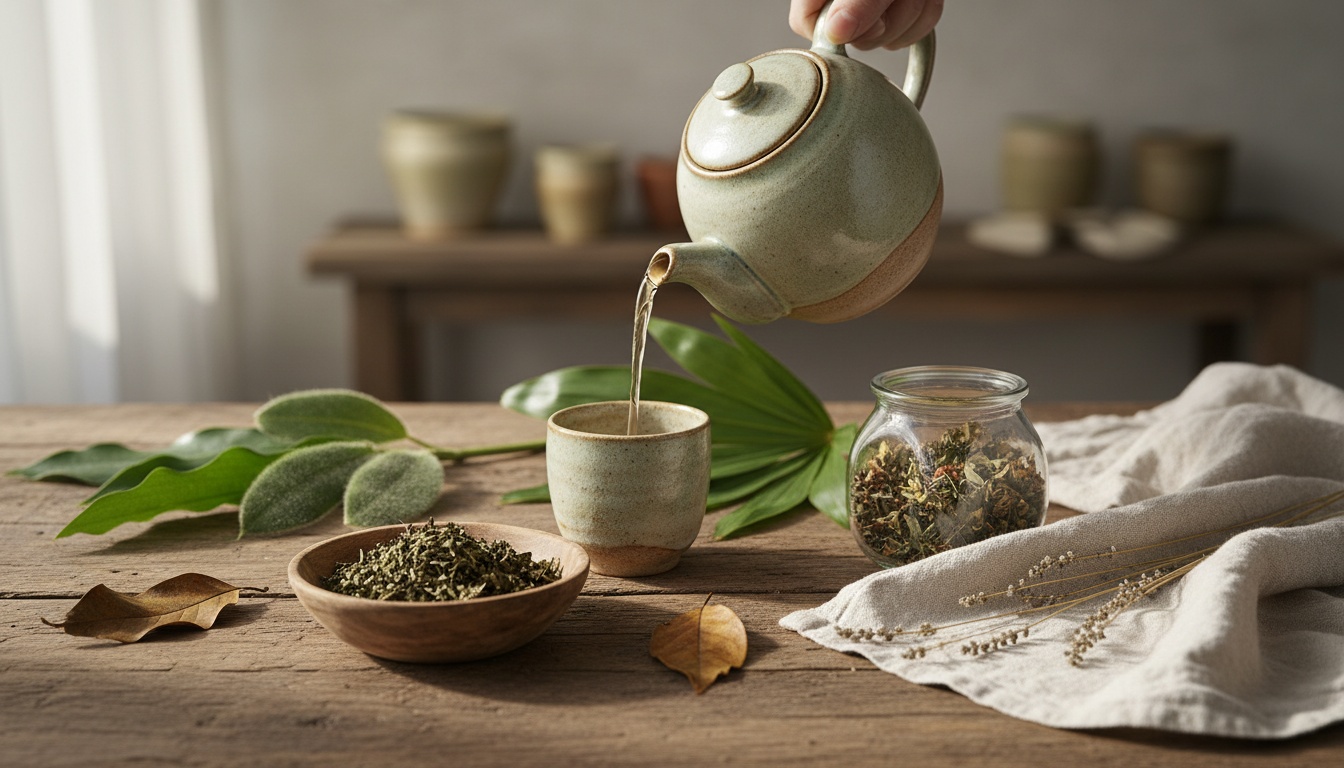
Tea is the traditional method — steeping the leaves or powder in hot water. Many find this easier to get down than raw powder.
How much to take varies a lot based on your body, tolerance, and what you’re hoping to get out of it. Since research is thin, most dosing advice comes from user experience rather than clinical data.
A common suggestion is to start with less than you’d normally use with kratom, then adjust from there. Because the alkaloids are milder, you may need a somewhat larger amount to feel comparable effects — but this varies enough from person to person that there’s no one-size-fits-all number.
What the Research Actually Shows
Here’s the honest answer: scientific research on Mitragyna hirsuta is still very limited.
Most of what’s known comes from traditional use, basic alkaloid analysis, and user reports. A 2025 study confirmed the plant’s distinct alkaloid makeup and how it interacts with alkaloid receptors, but there aren’t yet any comprehensive clinical trials looking at safety, effectiveness, or long-term use.
That gap in research doesn’t mean the plant is unsafe — it just means we’re working with partial information.
Generations of traditional use in Southeast Asia haven’t raised widespread safety alarms, and the alkaloid profile suggests it’s less potent than kratom, which points toward a possibly gentler risk profile. But without solid studies, no one can make firm claims either way.
Some users report drowsiness, dizziness, nausea, or digestive upset — similar to kratom’s known side effects, but reportedly less common and less severe, based on anecdotal accounts.
The reasonable stance here is to recognize both the promise suggested by traditional use and the real limits of what science currently knows.
The Bigger Picture
The rising interest in M. hirsuta fits into a broader trend in botanical supplements.
Federal health surveys estimated that 1.7 million Americans used kratom in 2021 — a sizable number of people looking for plant-based options.
When one botanical gets restricted, demand usually shifts to a related substitute instead of just vanishing. M. hirsuta’s growing popularity tracks closely with kratom’s regulatory struggles in different states.
This raises a bigger question about how botanicals get handled overall. Banning something tends to redirect use rather than stop it. People looking for natural alternatives will keep finding them, regulated or not — which puts pressure on lawmakers to decide whether they want quality standards and education, or an unregulated gray market.
Things to Consider Before Trying It
If you’re thinking about trying M. hirsuta, treat it like you would any new supplement — with some care and research.
Keep in mind that despite the family resemblance, it’s a different plant from kratom. Different alkaloids mean different effects, different intensity, and potentially different reactions depending on your own body.
Look into your source. Vendors who offer third-party lab testing and clear, transparent sourcing information are generally more trustworthy — quality can vary a lot in this market.
Start small and pay attention to how you respond. A milder alkaloid profile doesn’t rule out side effects or interactions with medication.
Think about your reason for trying it. If kratom isn’t legal where you live, this offers a similar traditional option that is. If kratom feels too strong for you, this gentler alternative might be a better fit. And if you’re just curious about ethnobotanicals in general, it’s worth exploring — carefully.
Bottom Line
Mitragyna hirsuta occupies an interesting spot in the world of botanical wellness.
It gives people an alternative to kratom — whether they’re dealing with legal restrictions, prefer something milder, or are simply curious about related plants. Its different alkaloid makeup creates a distinct experience that some people find preferable.
That said, it shares the same research gap as many other ethnobotanicals. There’s traditional use, some alkaloid analysis, and plenty of user reports — but no large-scale clinical studies on long-term safety or effectiveness.
That’s not a reason to panic, but it is a reason to approach it thoughtfully rather than with blind enthusiasm — or unnecessary fear.
The world of botanical supplements keeps evolving as more people look into plant-based options. M. hirsuta is one piece of that picture — a plant that deserves respect for its traditional use and, ideally, more rigorous scientific study down the road.
Frequently Asked Questions
Is Mitragyna hirsuta the same as kratom?
No. They’re related and share some traditional uses, but they have different primary alkaloids — mitragynine in kratom, mitraphylline in M. hirsuta.
Is Mitragyna hirsuta legal?
Yes, it’s currently legal in all 50 U.S. states, since it lacks the specific alkaloids that most kratom regulations target.
How does it compare to kratom in strength?
Most users describe it as milder — gentler and less intense than kratom.
What forms is it available in?
Powder, capsules, extracts, and tea. Powder is the most traditional and widely used form.
Are there side effects?
Some users report drowsiness, dizziness, nausea, or digestive discomfort, though these seem less common than with kratom based on anecdotal reports.
Should I try it if kratom feels too strong?
It might be a good fit, given its gentler profile. Start with a small amount and see how your body reacts.