
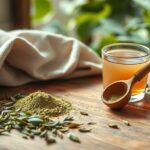
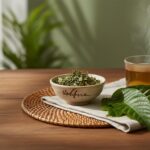
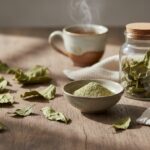
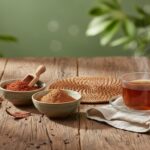

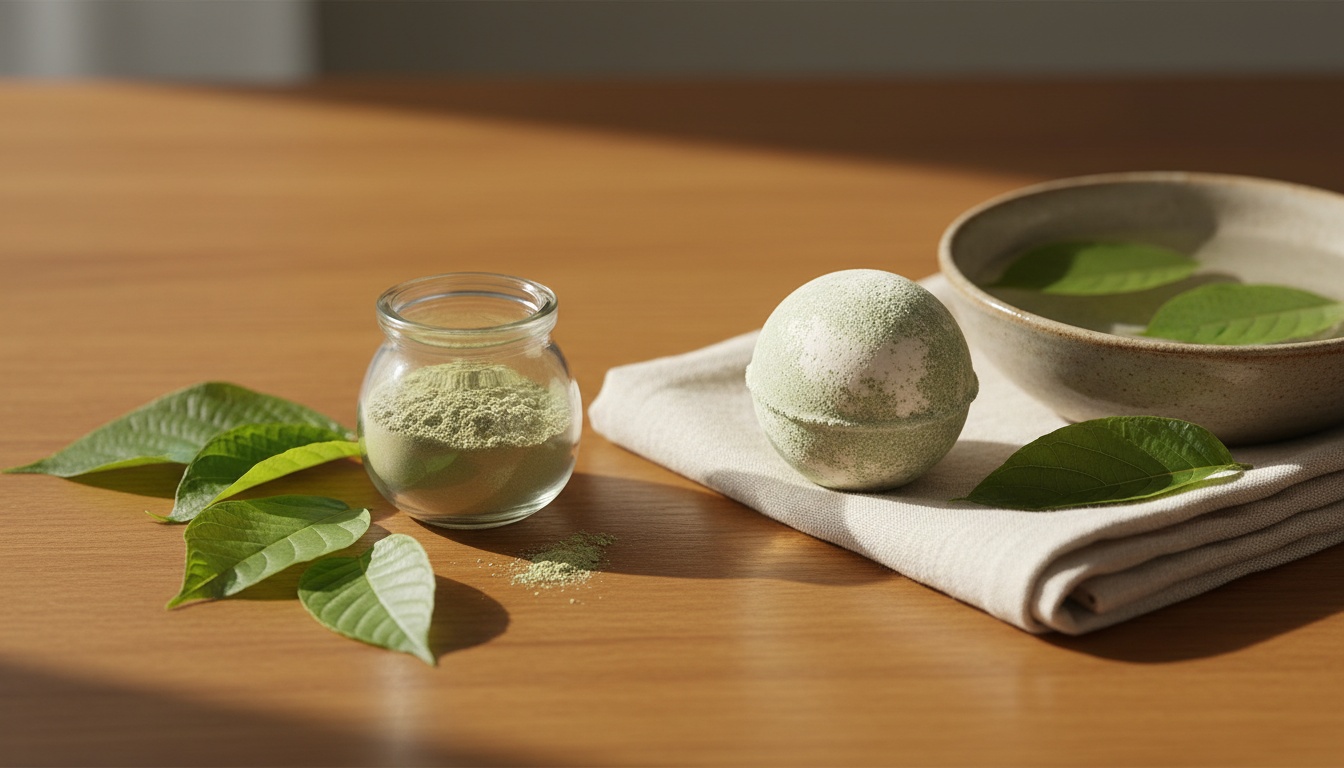
Kratom has a long history as a plant people brew into tea or take in powder form. But recent lab research from 2024 looked at something different: how kratom extracts behave when applied to skin. The findings point to antibacterial, antibiofilm, antioxidant, and anti-inflammatory activity — properties that matter a lot in cosmetic formulation. This appears to be among the first studies to look closely at kratom’s potential in topical products, and it’s part of why things like kratom bath bombs have started showing up on the market.
What’s in Kratom That Matters for Skin
Two compounds in kratom stand out for topical use. Catechin, a plant antioxidant, offers some UV protection and plays a role in collagen support. Rhamnose, a naturally occurring sugar, works as an emulsifier — it helps products blend smoothly and improves texture.
Applying kratom this way is different from drinking it or taking capsules. In a warm bath, these compounds sit against the skin directly rather than getting absorbed into the bloodstream. That means any antioxidant effect happens locally, on the surface, rather than throughout the body.
Lab testing backs up the antioxidant angle. Researchers found strong antioxidant activity in some kratom extracts at concentrations as low as 26.39 μg/mL. Phenolic content — a rough marker of antioxidant potential — ranged from 6.11 to 9.09 mg GAE/g depending on the strain tested. In plain terms: kratom does contain measurable compounds capable of fighting free radicals, at least in a lab setting.
How to Judge Kratom Quality, Whether It’s a Bath Bomb or Powder
The science is interesting, but it only matters if the product you buy actually contains what it claims. Quality assessment works the same way across kratom formats — powder, capsules, extracts, or bath products.
Look and Feel
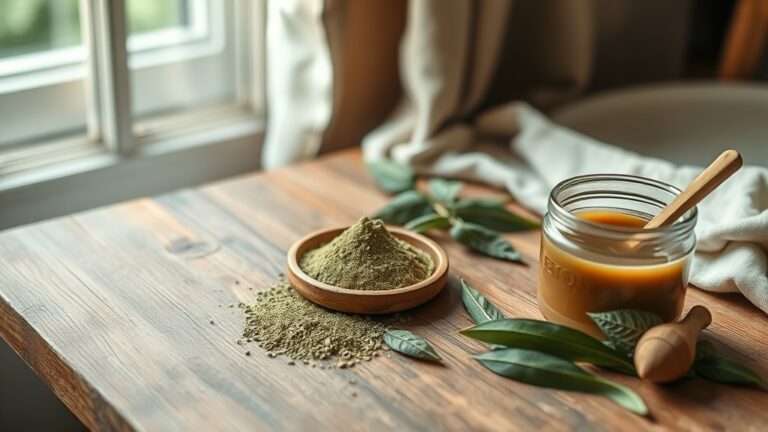
Color is the first clue. Well-processed kratom has a color that matches its strain: red veins run deep burgundy, greens look bright and earthy, whites stay pale and almost silvery. Faded or inconsistent color can signal age or poor processing.
Texture matters too. Good kratom powder feels fine, almost silky — not gritty or clumped. Clumping usually means the product picked up moisture somewhere along the way, which isn’t a great sign for freshness.
Lab Testing and Certificates
Reputable vendors test their products through independent labs and make the results available. A Certificate of Analysis (COA) should show alkaloid levels and confirm the product is free of heavy metals and harmful pathogens. If a vendor can’t produce one, that’s a red flag.
The American Kratom Association runs a GMP Standards Program that holds vendors to manufacturing rules based on 21 C.F.R. 111 — the same regulatory framework used for dietary supplements. Companies in the program go through annual third-party audits to keep their certification current.
Sourcing and Processing
Where and how kratom is grown affects its final quality. Wild-harvested kratom from established farms in Indonesia tends to have richer alkaloid profiles than plantation-grown versions. Processing matters just as much: traditional drying methods generally preserve more of the plant’s natural compounds than fast, industrial techniques. Once processed, temperature-controlled storage helps prevent the product from degrading before it reaches you.
Why Independent Standards Matter
Kratom isn’t regulated by the FDA, so there’s no government body checking vendors’ claims. That gap makes independent certification the main way buyers can trust a product. GMP certification is currently the strongest signal in the industry — it requires third-party testing, strict sanitation practices, and documented quality control across every stage, from processing to packaging to shipping.
The better vendors go beyond minimum testing. They build direct relationships with farmers, invest in proper storage, and control their distribution chain closely. Storage doesn’t stop once the product reaches you, either — how you store kratom at home affects its potency over time. (See our guide on storing botanical blends for freshness for more on that.)
How to Shop Smart
Buying kratom well means doing a bit of homework before checking out.
- Check for GMP certification. Vendors who’ve earned it will usually display it prominently.
- Ask for a current COA. It should list alkaloid content and confirm the batch passed contaminant testing.
- Be skeptical of specific wellness claims. Legitimate vendors stick to product information rather than promises about effects.
- Compare alkaloid percentages across similar strains. Numbers that seem unusually high compared to the norm often point to inaccurate testing or an altered product.
Online or Local?
Online vendors tend to offer more transparency — detailed lab results, sourcing information, and customer reviews are easier to find and compare. A solid return policy is also a decent sign that a company trusts its own product.
Local smoke shops and convenience stores are a riskier bet. Storage conditions there are often inconsistent, sourcing is rarely disclosed, and testing documentation is hard to come by. For a closer look at the tradeoffs, our guide on in-person versus online kratom purchases covers 12 factors worth weighing.
What About Price?
Higher-quality kratom generally costs more, but price by itself doesn’t guarantee quality. It’s more useful to calculate cost per serving than to compare sticker prices. A product that’s more expensive but consistently potent and pure often ends up being the better value. Factor in shipping and any bulk or loyalty discounts before deciding where to buy.
Where the Market Is Headed
Buyers who ask for lab results and sourcing details are changing how vendors operate. As more consumers expect proof behind quality claims, companies face more pressure to invest in real testing and transparency instead of relying on marketing language.
Bath bombs and other new kratom products are part of that shift — they show what’s possible when a traditional botanical gets applied in new ways, backed by quality standards. The same evaluation skills apply no matter the product: check for testing, confirm sourcing, and expect transparency from anyone selling it.
Frequently Asked Questions
Are kratom bath bombs safe for all skin types?
Reactions vary by person. It’s reasonable to start with a shorter bath and watch how your skin responds. If you have sensitive skin, patch-test before a full soak.
How can I verify a kratom product is lab-tested?
Ask for a Certificate of Analysis from an independent lab. It should show alkaloid content along with results for heavy metals and pathogens, ideally tied to the specific batch you’re buying.
What’s the difference between wild-harvested and plantation kratom?
Wild-harvested kratom grows in its natural environment and tends to have a stronger alkaloid profile. Plantation kratom can look more uniform but often tests lower in potency.
Why do some kratom products cost more than others?
Higher prices usually reflect lab testing, GMP certification, proper storage, and closer relationships with farmers — all of which add cost but also improve consistency and purity.
How do I know if a kratom vendor is reputable?
Check for GMP certification, clear sourcing details, and up-to-date lab results. Be wary of any vendor making specific health claims, and favor companies that provide real product documentation and responsive customer support.
[…] worth separating what’s known from what’s still speculation. Here’s a closer look at what research actually shows about CBD and cognitive function, along with practical guidance for anyone considering trying […]