




Tennessee’s approach to kratom shifted in a big way during 2025. What began as a simple age-restriction law has turned into a more layered set of rules that separate natural plant products from concentrated or synthetic compounds. Then came a political move that caught a lot of people off guard.
In May 2025, Governor Bill Lee signed House Joint Resolution 147, making Tennessee the first state to formally back stricter kratom regulation — or possibly a full ban. The resolution cleared the Senate unanimously and won broad support in the House. Here’s a breakdown of where things stand and what might come next.
What’s Actually Legal in Tennessee Right Now
As of today, kratom is still legal in Tennessee for adults 21 and older. The law itself hasn’t changed yet, but the fine print matters more than most people assume.
Legal forms include:
– Whole leaf kratom in its raw, natural state
– Crushed leaf products without chemical alteration
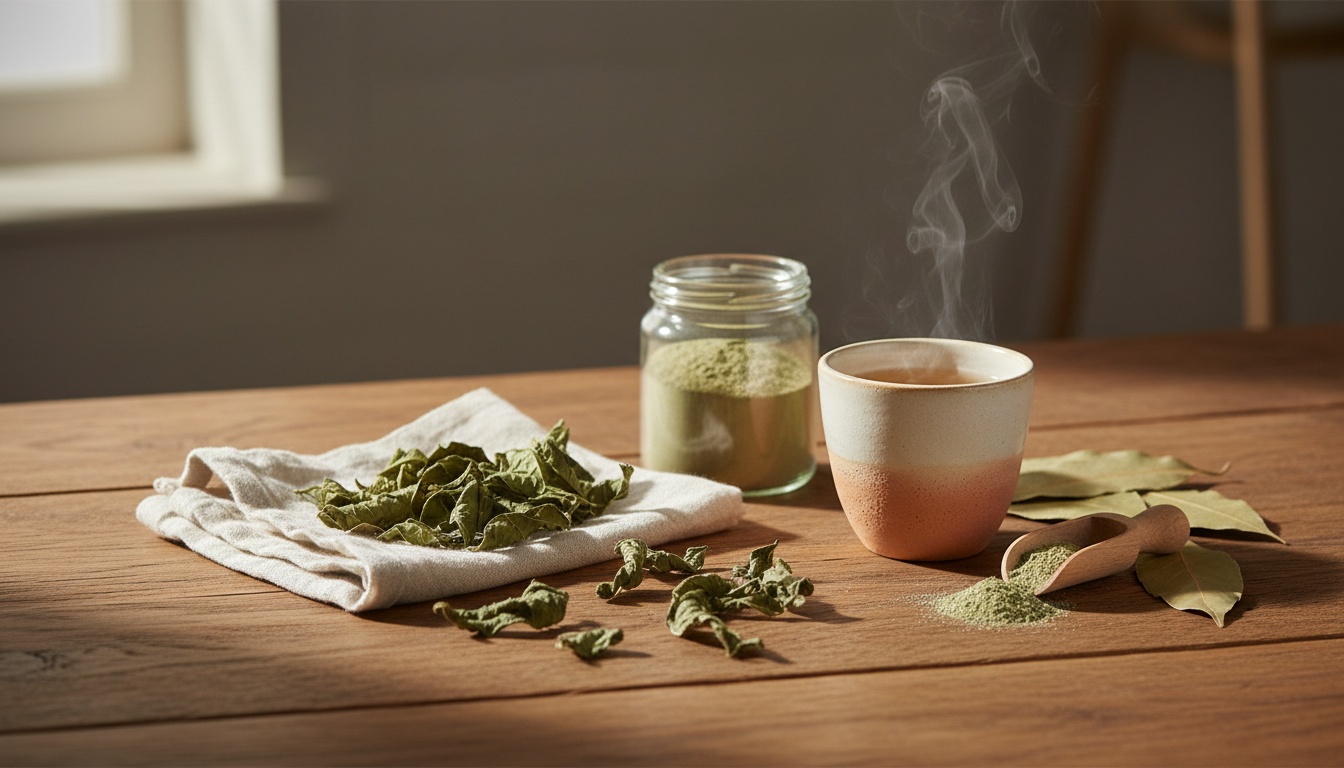
– Powdered leaf made through traditional processing
Already banned in the state:
– Mitragynine extracts concentrated beyond natural levels
– Any product containing 7-hydroxymitragynine (7-OH)
– Chemically altered or synthetic kratom derivatives
That distinction between “natural” and “concentrated” creates real headaches for enforcement. Plenty of kratom products sold at gas stations contain concentrated compounds that are technically illegal under Tennessee law, yet enforcement remains inconsistent because there’s no simple way to tell products apart at a glance. That means the burden falls on buyers to know what they’re actually getting.
Why the Federal Government Got Involved
Tennessee’s resolution wasn’t an isolated move. It followed a major federal development.
On July 29, 2025, the FDA recommended that 7-hydroxymitragynine be classified as a Schedule I controlled substance. That’s the most serious regulatory action aimed at kratom since the DEA tried and failed to schedule the plant back in 2016.
The concern comes down to potency. Concentrated 7-OH formulations are reportedly far stronger than the alkaloids found naturally in kratom leaf — some research points to potency levels many times greater than morphine. Traditional leaf products, by contrast, contain those same alkaloids but at much lower, naturally occurring concentrations.
Public health numbers add weight to the argument. Officials have linked more than 2,000 kratom-related overdoses across 40 states between 2021 and 2023, with most tied to concentrated or synthetic products rather than plain leaf preparations. Numbers like that tend to move legislation, and Tennessee’s resolution reflects that pressure.
How to Spot a Compliant Product
Picking the right vendor protects you under today’s law and puts you in a better position if regulations tighten further.
Look for these signs of a legitimate seller:
– Third-party lab results showing alkaloid content and purity
– Documentation on wild-harvested sourcing from known farms
– GMP-certified processing with real quality control
– Labeling that clearly separates natural leaf from any concentrated compounds
Steer clear of:
– Gas station kratom with no listed alkaloid profile
– Sellers making health or treatment claims
– Products marketed as “ultra-potent” or “enhanced” concentrates
– Vendors that won’t share testing or sourcing information
Reputable sellers invest in transparency because it’s both a legal safeguard and a business necessity. Companies that take testing seriously tend to last longer in a market that’s clearly headed toward more scrutiny.
Practical Advice for Tennessee Kratom Users
To stay compliant today:
– Buy only natural leaf forms from vendors who provide lab results
– Double-check that products match Tennessee’s current legal definitions
– Skip any synthetic concentrate, since those are already prohibited
To prepare for future changes:
– Follow legislative news and industry updates so you’re not caught off guard
– Build a relationship with a trustworthy vendor now, before any new restrictions hit
– Think through your own usage habits and how you’d adjust if access became limited
To stay safe regardless of what the law does:
– Stick with lab-tested products from established suppliers
– Start with a low dose when trying a new strain or switching brands
– If you’re after something calming, red vein strains are often chosen for that purpose
– Check for interactions with any medications or health conditions you have
The choices you make now shape what options you’ll have later.
What This Means for the Kratom Business in Tennessee
Tennessee’s shift fits a larger pattern playing out across the industry. States are increasingly drawing a line between traditional botanical products and concentrated synthetic ones. That opens the door for vendors who can meet compliance standards without cutting corners on quality.
Compare this to states like Florida or Minnesota, which take a more relaxed regulatory stance. Tennessee’s more detailed approach shows a level of regulatory sophistication that’s likely to spread to other states over time. Whether someone prefers capsules for convenience or brewed leaf tea, understanding these categories helps buyers stay on the right side of the law.
This kind of regulatory complexity also tends to push the market toward bigger, better-resourced vendors — the ones who can afford testing, certification, and detailed labeling. Smaller suppliers without those resources often can’t keep up.
What Tennessee consumers can expect going forward:
– Better product quality from vendors who invest in compliance
– Higher prices, reflecting the real cost of testing and certification
– Fewer product choices as smaller suppliers exit the market
– More attention paid to consumer education and safe use
In short, the industry is moving toward more accountability, even if that comes with a higher price tag.
Where Things Stand and What to Do Next
For now, the smartest move is to act on the information available today. Look for vendors who already offer lab-tested, natural kratom that fits within Tennessee’s current rules. Check their testing protocols, sourcing details, and how transparent they are with customers.
Keep an eye on legislative news, but there’s no need to panic. The May 2025 resolution signals where the state might be headed — it doesn’t change the law immediately.
Above all, prioritize safety and quality no matter what happens with regulation. Choose vendors that back up their claims with real testing and clear communication, not vague wellness promises.
Tennessee’s kratom rules are still evolving, and the vendors you choose today will likely determine how smoothly you navigate whatever comes next. Understanding both the current law and the direction it’s heading gives you the best shot at making decisions that hold up over time.
Frequently Asked Questions
Is kratom legal in Tennessee right now?
Yes. Natural kratom is legal for adults 21 and older. Synthetic concentrates and 7-OH products are already banned.
What kratom products can I legally buy in Tennessee?
Whole leaf, crushed leaf, and powdered kratom are all legal, as are capsules made from natural leaf.
Are kratom extracts legal in Tennessee?
Extracts concentrated beyond natural alkaloid levels are banned. Traditional leaf-based teas remain legal.
When will Tennessee’s kratom laws change?
The May 2025 resolution points toward future restrictions, but it hasn’t changed current law. Keep tabs on legislative updates for anything new.
How do I know if a kratom product is compliant?
Check for third-party lab testing, clear labeling, and vendors who openly distinguish natural leaf from concentrated compounds.
Can I buy kratom online and have it shipped to Tennessee?
Yes, as long as the vendor ships compliant products and follows state regulations.
What should I do if kratom becomes illegal in Tennessee?
Stay informed, build relationships with reliable vendors now, and think ahead about your options. Neighboring states like Kentucky currently maintain different rules, which is worth knowing if access changes here.