

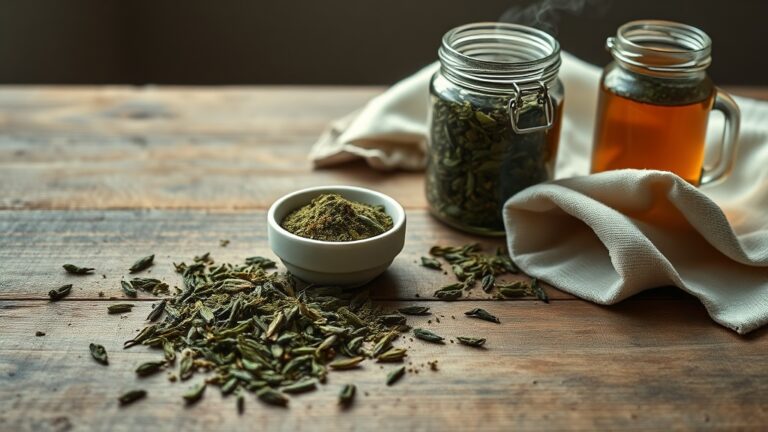
What Is 7-Hydroxymitragynine? Kratom’s Most Potent Alkaloid, Explained
A breakdown of 7-hydroxymitragynine (7-OH), the minor kratom alkaloid formed through oxidation, and why concentrated 7-OH products differ chemically from whole-leaf kratom.
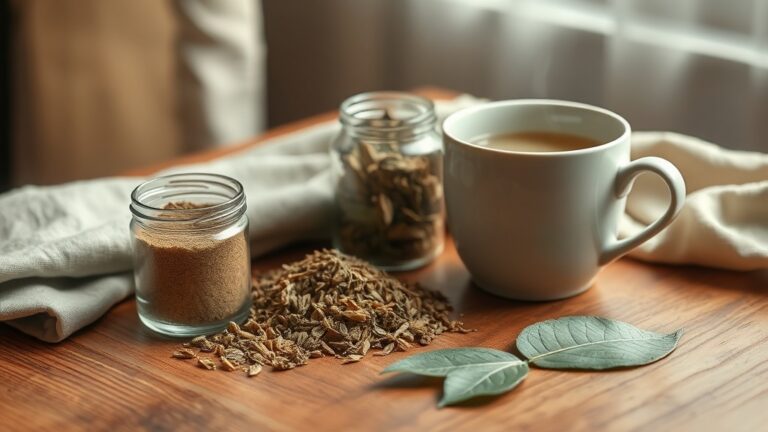
Explore articles covering 7-hydroxymitragynine, a key kratom alkaloid, including its research, effects, and role in kratom chemistry and products.
A breakdown of 7-hydroxymitragynine (7-OH), the minor kratom alkaloid formed through oxidation, and why concentrated 7-OH products differ chemically from whole-leaf kratom.
A breakdown of kratom's two most pharmacologically active alkaloids, mitragynine and 7-hydroxymitragynine, and how their differing abundance and potency shape kratom's effects.
Kratom's effects come from a complex mix of over 40 alkaloids, not just mitragynine percentage — this guide breaks down the key compounds and why they matter for understanding kratom's behavior and safety.
Tennessee's kratom rules now distinguish natural leaf products from concentrated compounds, and a 2025 legislative resolution signals possible stricter regulation ahead.
An exploration of what makes Red Vein Bali kratom distinct, covering leaf maturity, alkaloid chemistry, and the Indonesian regions where it's grown.
Harvest timing and leaf maturity determine the mitragynine to 7-hydroxymitragynine ratio in kratom, which explains why white, green, and red vein strains produce different effects.
Heat gradually degrades kratom's key alkaloids, especially 7-hydroxymitragynine, weakening effects over time; understanding the science helps you store and brew kratom to preserve its potency.
Black Vein Kratom occupies an odd spot in the market. Unlike Red, Green, or White strains, which come straight from leaves picked at different points in the growing cycle, Black Kratom doesn’t exist on the tree. Someone makes it after harvest, and how they make it changes almost everything about the final product. If you’ve […]