




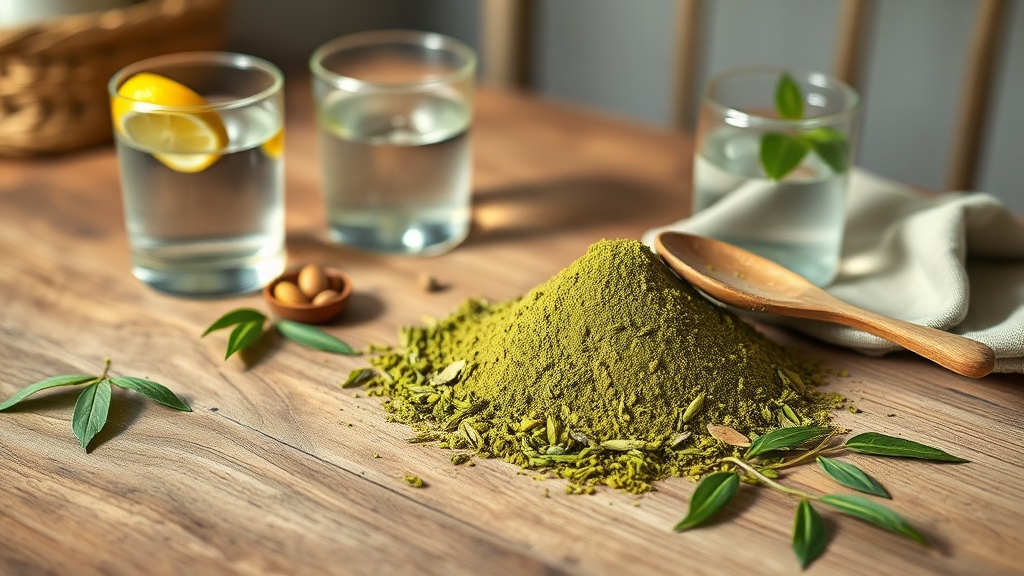
Most people tolerate kratom reasonably well at moderate doses. But like any plant compound that acts on opioid and adrenergic receptors, it can cause problems — especially at higher doses, with daily use, or when mixed with other substances. Below is a breakdown of the most commonly reported side effects, why they happen, what recent research says about long-term risk, and practical ways to reduce unwanted reactions.
The short version: common side effects like nausea, constipation, and dizziness are dose-related and largely avoidable with lower doses and enough water. Serious problems — liver damage, dangerous drug interactions — are uncommon and tend to show up with very high doses, contaminated products, or mixing kratom with other central nervous system depressants. Long-term daily use hasn’t been studied extensively yet, so the safer path is sticking to the lowest dose that works, rotating strains, and never combining kratom with alcohol, benzodiazepines, or opioids. Anyone on prescription medication should check with a doctor first.
The Most Common Side Effects
A large 2017 online survey of nearly 8,050 US kratom users, conducted by Grundmann, found that most people reported neutral or positive experiences at moderate doses — but a notable portion did experience adverse effects, with nausea topping the list. [1] A 2024 toxicology review by Heywood and colleagues, drawing on lab studies, animal research, and human case reports, reached a similar conclusion: typical use without mixing substances carries relatively few acute risks, though scientists still haven’t nailed down exactly what alkaloid dose triggers adverse effects in humans. That’s precisely why starting low and adjusting gradually matters so much. [9]
The side effects users report most often:
- Nausea — the top complaint, especially at higher doses, on an empty stomach, or among newer users. It’s generally dose-related and fades within 30 to 90 minutes.
- Constipation — shows up with regular use, since mitragynine and 7-hydroxymitragynine activate mu-opioid receptors in the gut, slowing digestion the same way opioid painkillers do. [2]
- Dizziness or lightheadedness — more likely at higher doses or when standing up quickly, tied to kratom’s effect on blood pressure through alpha-adrenergic receptors.
- Headache — usually linked to dehydration, since kratom has a mild diuretic effect. Users who don’t drink extra water often notice this.
- Dry mouth — reported fairly often, particularly with larger doses.
- Sedation — mostly at higher doses, especially with red vein varieties. Lower doses tend to feel more stimulating than sedating.
- Sweating — increased perspiration during peak effects.
- Loss of appetite — common with white and green vein strains at moderate-to-high doses.
- Itching — a well-known opioid-receptor effect, more noticeable at higher doses.
How Dose Changes the Side Effect Picture
The relationship between dose and side effects isn’t a straight line — the type of effects shifts as the dose climbs, not just their strength. A 2022 study by Smith and colleagues looked at self-reported dosing patterns among US adults with regular kratom use and found adverse effects became noticeably more common above 5 grams per dose. [3]
| Dose Range | Common Side Effects |
|---|---|
| 1–3 g | Rare; occasional mild nausea in sensitive users |
| 3–5 g | Possible nausea, dry mouth, mild sedation |
| 5–8 g | Nausea, dizziness, itching, heavier sedation, constipation with repeated use |
| 8 g+ | Vomiting, marked dizziness, confusion, risk of respiratory effects at extreme levels |
This curve explains why experienced users sometimes start hitting side effects they’d previously avoided — tolerance pushes them toward higher doses to get the same effect, and higher doses carry more baggage. It’s a core reason why managing tolerance, through strain rotation and periodic breaks, cuts down on adverse experiences over time. Our Kratom Tolerance Guide covers the receptor biology behind this in more detail.
Individual variation matters too. A 2015 qualitative study by Swogger and colleagues found that people report very different experiences at similar doses, shaped by metabolism, body weight, prior substance use, and the alkaloid makeup of the specific strain. [4] Starting low and going slow isn’t just generic supplement advice — with kratom, given how much responses vary person to person, it’s genuinely important.
What Recent Controlled Trials Show
Two controlled trials published in 2026 have started to add real experimental data to a field that’s mostly relied on surveys and case reports. Both were small — 40 and 116 participants — and short, running days to weeks, using standardized single-source leaf rather than the varied products people actually buy at retail. Neither tested effectiveness for any condition; they were early-stage dose-finding and safety studies. Their results should be read as preliminary safety data, not a final verdict on kratom’s overall risk profile. That said, the side effects they documented line up closely with what survey research has reported for years.
One 2026 pilot study in the Journal of Clinical Psychopharmacology, run by FDA researchers alongside the University of Florida and Altasciences, gave 40 healthy adult volunteers (all with a history of recreational polydrug use and prior opioid exposure) single doses of botanical kratom at 1, 3, 8, 10, and 12 grams under double-blind, placebo-controlled conditions. [10] Sleepiness, vomiting, and nausea topped the adverse-event list — matching the pattern seen in survey data for years. Pupil constriction, a physical sign of mu-opioid receptor activity, appeared at 3 grams and up. No one experienced a death or serious adverse event at any tested dose. Ratings of “drug liking” and euphoric effects rose meaningfully only at the highest, 12-gram dose — supporting the idea that abuse-relevant effects cluster at the top of the dose range rather than typical use levels. The researchers cautioned that results from this single, standardized product might not apply to the many different kratom products sold commercially.
A separate 2026 randomized, placebo-controlled trial in Therapeutic Drug Monitoring — the largest controlled kratom study to date — tested standardized dried leaf powder in 116 kratom-naive healthy volunteers. [11] Participants received single escalating doses across four dose groups, then 15 consecutive daily doses, with follow-up running up to 23 days (47 days total). The top dose was 4,000 mg of leaf powder, containing roughly 53 mg of mitragynine. No deaths or serious adverse events occurred. After single doses, dizziness, nausea, and relaxation were most common; after 15 days of daily dosing, headache, feeling overheated, nausea, and a mild rise in ALT (a liver enzyme) showed up most. That ALT signal after two weeks of daily use reinforces the case for moderation and periodic liver monitoring, discussed further below. The researchers found no clear signs of abuse potential or withdrawal at the doses tested — consistent with kratom’s partial opioid-receptor activity — though longer and higher-dose studies are still needed to fully understand dependence risk.
These trials don’t answer every question about long-term safety, real-world product variability, or whether kratom works for any specific purpose. But they do mark the first controlled confirmation of the dose-response pattern that survey data has pointed to for years.
Why Kratom Causes Nausea and Constipation
Gastrointestinal issues are the most consistently reported kratom side effects, and understanding the mechanism helps explain both why they happen and how to manage them.
Nausea has two main causes. First, mitragynine and 7-hydroxymitragynine activate opioid receptors in the brainstem’s chemoreceptor trigger zone — the same pathway that makes opioid medications nauseating. Second, swallowing loose powder can irritate the stomach directly, particularly in large amounts on an empty stomach. That’s why “toss and wash” tends to cause more nausea than capsules, and why eating a little food beforehand cuts down on nausea for a lot of users.
Constipation comes directly from mu-opioid receptor activation in the gut’s nervous system. Research by Matsumoto and colleagues showed that 7-hydroxymitragynine, even in relatively small amounts, significantly slows gut transit through this receptor pathway — a core pharmacological effect of kratom’s alkaloids. [2] It works almost identically to opioid-induced constipation: receptors in the gut slow muscle contractions and pull more water out of stool, leaving it harder and less frequent with regular use.
Ways to manage these issues:
- For nausea: Switch from loose powder to capsules, eat a light meal beforehand, and cut your dose by 0.5–1g before slowly working back up. Some users find ginger tea before dosing helps noticeably.
- For constipation: Drink at least 8–10 glasses of water on days you use kratom, eat enough fiber, and consider psyllium husk if constipation continues. Cutting back frequency — alternating days instead of daily use — is usually the most effective fix.
Risks of Long-Term or Daily Use
Research on long-term kratom use in humans is still thin. Most existing data comes from surveys, case reports, and studies of heavy users in Malaysia and Thailand, where use patterns often involve much higher doses and longer duration than typical Western use. With that caveat, a few concerns have come up repeatedly with prolonged daily use.
Tolerance and dose creep: Daily use leads to tolerance as mu-opioid receptors downregulate. Many daily users find themselves gradually increasing their dose over months or years just to feel the same effect — exposing themselves to more of the higher-dose side effects along the way. This isn’t unique to kratom; it happens with any opioid receptor agonist used chronically.
Dependence and withdrawal-like symptoms: A 2014 survey by Singh and colleagues of regular kratom users in Malaysia found that people using kratom three or more times daily for years developed physical dependence, with noticeable symptoms upon stopping — muscle aches, insomnia, irritability, and mood disturbances. [5] This kind of dependence is much less common among lighter daily users; most US users taking a single moderate dose per day report mild or no symptoms when they stop. Our Kratom Tolerance Breaks Guide walks through how to tell the difference between normal adjustment and clinical dependence.
Weight changes: Several survey studies of heavy chronic users report weight loss, likely tied to reduced appetite and gastrointestinal effects from sustained high-dose use.
Skin darkening: Some long-term heavy users in Southeast Asia have reported darkening of the skin on the cheeks and face. This seems rare among Western users at moderate doses, and the underlying mechanism isn’t well understood.
Can Kratom Affect the Liver?
Liver injury linked to kratom is real but rare, and the case reports that exist give useful context. A 2012 pharmacology review by Prozialeck and colleagues noted that hepatotoxicity had turned up in a small number of cases, almost always tied to very high doses, mixing substances, or contaminated products. [6] More recent analysis from the Drug-Induced Liver Injury Network, published by Halegoua-DeMarzio and Navarro in 2025, lists kratom among the leading herbal supplements implicated in liver injury cases over the past decade — still a small share of total cases, but documented well enough that product transparency and dose control genuinely matter. [8]
A related concern is heavy metal contamination. Prozialeck and colleagues documented lead contamination in some poorly regulated kratom products sold in the US in a 2022 study. [7] Lead-tainted products could damage the liver and kidneys independent of anything kratom’s own alkaloids do — which is why third-party lab testing (COAs) and GMP certification matter when choosing a product.
Warning signs of liver stress. Stop using kratom and see a healthcare provider promptly if you notice:
- Yellowing of skin or the whites of the eyes (jaundice)
- Dark brown urine
- Severe pain or tenderness on the right side of the abdomen
- Persistent, unexplained fatigue alongside any of the above
For most people using moderate doses of tested, quality kratom, liver toxicity isn’t a major concern. Risk climbs sharply with very high doses, untested or adulterated products, mixing with other liver-taxing substances (alcohol, high-dose acetaminophen), and pre-existing liver conditions.
Mixing Kratom With Other Substances
The clearest danger signal in the kratom case-report literature is combining it with other central nervous system depressants. Mixing kratom with alcohol, benzodiazepines, or opioids adds up sedation and respiratory depression, and this combination shows up in most serious kratom-related adverse events on record. There’s no safe amount to combine — these pairings should be avoided entirely.
Kratom’s alkaloids are processed by the same liver enzymes that metabolize many prescription drugs, so they could theoretically affect how those medications are cleared from the body. If you take prescription medication, talk with your prescriber before adding kratom. This article is for education, not medical advice.
Who Faces Higher Risk?
Kratom isn’t equally risky for everyone. Some factors raise the odds and severity of side effects:
- New users — individual sensitivity varies a lot and is hard to predict beforehand. Starting with 1–2g and waiting 45–60 minutes before considering more is the single best way to avoid a bad first experience.
- People on multiple medications — especially CNS depressants or drugs with a narrow safety margin, which raises interaction risk considerably.
- People with existing liver conditions — impaired liver function reduces the body’s ability to process kratom’s alkaloids, which can intensify both effects and toxicity.
- People with a history of opioid use disorder — kratom’s activity at opioid receptors can interact with treatment medications like methadone or buprenorphine, and dependence may develop more easily. Talk to a treatment provider first.
- Pregnant individuals — kratom’s alkaloids cross the placenta, so use during pregnancy isn’t recommended. See our Kratom and Pregnancy Guide for more.
- Anyone buying from unverified sources — products without lab testing (COAs) or GMP certification may contain heavy metals, contaminants, or inconsistent dosing that raise risk well beyond kratom’s own pharmacology.
How to Reduce Side Effects
Most kratom side effects can be avoided or reduced substantially through careful dosing and use habits. These strategies consistently show up in both user surveys and practical experience:
- Start low, go slow. Begin at 1–2g and increase in 0.5g steps over multiple sessions. Don’t take more just because you don’t feel anything within the first 20–30 minutes — onset can take 15–45 minutes depending on what’s in your stomach.
- Drink water. At least 8 oz with each dose, plus extra throughout the day. This helps prevent headaches and eases constipation.
- Eat something light first. A small snack slows absorption a bit and cuts nausea significantly. A full meal delays effects too much; a light bite is the sweet spot.
- Try capsules if powder upsets your stomach. Capsules avoid direct contact between loose powder and the stomach lining, reducing nausea for most people who get it from toss-and-wash.
- Rotate strains. Using the same strain every day builds tolerance faster through repeated stimulation of the same receptors. Cycling between green, red, and white vein varieties every 2–3 days cuts down on both tolerance and cumulative GI side effects.
- Skip daily use if you can. Using kratom 4–5 days a week instead of every day meaningfully lowers constipation, tolerance, and dependence risk. Our Kratom Dosage Guide has a framework for building a sustainable routine.
- Never mix with CNS depressants. Alcohol, benzodiazepines, and opioids are the riskiest combinations with kratom, full stop. There’s no safe combined dose.
- Buy from lab-tested sources. Products verified by independent labs (COAs) and made under GMP standards eliminate the heavy metal and contamination risks behind a disproportionate share of serious adverse events. Reputable vendors publish batch-specific test results covering alkaloid content, heavy metals, and microbial safety.
Frequently Asked Questions
How long do kratom side effects last?
Most acute effects — nausea, dizziness, sweating — hit within the first 30–90 minutes and fade as the kratom wears off, usually within 3–5 hours. Constipation builds gradually with regular use rather than appearing suddenly. If nausea is severe or lasts more than 2–3 hours, that’s usually a sign your dose was too high. Cut back by at least 1g next time. Serious symptoms that outlast the expected window — jaundice, severe abdominal pain, ongoing confusion — need medical attention no matter the cause.
Is nausea from kratom dangerous?
Usually not. It’s an uncomfortable but self-limiting signal that the dose was higher than your body wanted, and it resolves as effects taper off. The real risk is dehydration if nausea leads to vomiting — sit or lie down and keep drinking water. If vomiting is severe or won’t stop, get medical help, since significant fluid loss can turn serious regardless of cause. The simplest fix is cutting your dose by 0.5–1g next time; most people find a threshold below which nausea just doesn’t happen.
Can kratom cause anxiety or make it worse?
At higher doses, some people report more anxiety or restlessness, particularly with white vein strains, which tend to be more stimulating. This shows up more in people already sensitive to stimulants, like those affected by caffeine. In Grundmann’s 2017 survey, reduced anxiety was among the most commonly cited reasons people use kratom in the first place — respondents generally described lower doses as calming and higher doses as more activating or anxiety-provoking, suggesting a U-shaped pattern across the dose range. If kratom consistently makes you anxious, users report better tolerance with lower doses or red vein strains, which tend to be more sedating. None of this means kratom is a treatment for anxiety — diagnosed anxiety disorders should be discussed with a qualified provider.
Does kratom raise or lower blood pressure?
It’s complicated and varies by dose and individual. At lower doses, kratom’s effect on adrenergic receptors can mildly raise heart rate and blood pressure, matching the stimulant-like feel many users describe. At higher doses, sedation and blood vessel dilation may actually lower blood pressure. Case reports have documented both high and low blood pressure connected to kratom use, so there’s no simple answer. Anyone with cardiovascular conditions or on blood pressure medication should talk to a doctor before using kratom.
Can you overdose on kratom?
Deaths caused by kratom alone, without other substances involved, are rare. Most kratom-related deaths in the case literature involve mixing with opioids, benzodiazepines, or other depressants. Kratom’s partial activation of opioid receptors caps its respiratory-depression effect at a much lower level than full opioid agonists — which is why kratom overdose gets treated differently than opioid overdose, and why naloxone (Narcan) may not fully reverse its effects. Very high doses (above 15g) can cause serious problems — confusion, extreme sedation, vomiting — with real aspiration risk. Avoid very high doses, and never combine kratom with other depressants.
Does kratom cause hair loss?
It comes up occasionally in user forums but isn’t well documented in clinical research as a direct effect. If it happens, the likely explanation is nutritional — reduced appetite from kratom use can lead to deficiencies in protein, iron, or zinc that trigger stress-related hair shedding. The fix is better nutrition, not necessarily stopping kratom. If hair loss is significant or won’t stop, see a dermatologist to find the actual cause.
Do side effects differ between men and women?
There isn’t enough sex-specific research to say definitively. Some opioid pharmacology research suggests liver enzyme activity and receptor distribution differ somewhat between sexes, which could theoretically translate to different responses to kratom. But individual factors — body weight, metabolism, general health — likely matter far more than sex at a population level. Kratom use during pregnancy carries its own distinct concerns and should be discussed with a healthcare provider.
Can kratom cause depression or mood swings?
The relationship between kratom and mood is dose-dependent and not fully understood. In Grundmann’s 2017 survey, mood-related benefits were a frequently cited reason for use, though kratom isn’t an approved treatment for depression or any other medical condition. With chronic high-dose daily use, some people report emotional flatness or low mood during periods when they’re not using — consistent with how the opioid receptor system adapts over time. These aren’t the same as clinical depression, but they can feel significant, and usually improve within days to weeks of reducing dose or taking a break. If mood problems persist or feel serious, see a mental health professional, regardless of kratom use.
What should I do if I have a bad reaction to kratom?
For mild reactions — nausea, dizziness, excessive sleepiness — stop using kratom for that session, sit or lie down safely, drink water, and rest. Most reactions clear up within 1–3 hours as the dose wears off. Don’t take more kratom to try to “balance it out.” For severe reactions — uncontrollable vomiting, loss of consciousness, trouble breathing, severe chest pain, significant confusion — call 911 immediately and tell responders what was taken and how much. Poison Control (1-800-222-1222) can also offer guidance for situations that are concerning but not immediately life-threatening.