



That colorful kratom package sitting near the gas station register looks harmless enough — grab it, pay, go. No shipping wait, no ordering online. But that convenience comes at a cost when the product itself skips the quality checks that matter. Kratom has grown into a roughly $2 billion market serving close to 20 million people in the U.S., and quality swings wildly depending on where you buy it. Gas stations sit at the weak end of that range.
For background on safe use, see our guide on kratom safety.
The Problem With Buying Kratom at a Gas Station
Most gas station kratom comes from suppliers nobody can name, with no lab testing to back up what’s inside the package. There’s usually no way to verify purity or potency. Compare that to established vendors, who routinely publish third-party lab results and disclose exactly where their kratom comes from and how it’s processed.
Storage matters too. Gas stations aren’t set up to protect a sensitive plant product — packages sit under fluorescent lights, get exposed to swinging temperatures, and can linger on shelves for months past their prime.
Then there’s the price. A small pack of gas station kratom capsules often runs $20 to $50 — well above what you’d pay buying the same amount from a dedicated kratom vendor online.
What Actually Makes Kratom “Quality” Kratom
Trustworthy vendors share a few traits that gas stations simply don’t offer.
Third-party lab testing. This is the baseline, not a bonus. Reliable sellers test every batch for heavy metals, contaminants, and alkaloid levels, then hand you a certificate of analysis (COA) you can check before you buy.
Clear sourcing. Good vendors can tell you exactly which farm their kratom came from and how it was processed. Many maintain direct relationships with growers in Indonesia and can trace the product from field to shelf.
Batch tracking and honest labeling. Look for manufacturing dates, batch numbers, and accurate strain information on the package — not vague marketing copy.
GMP-certified production. Good Manufacturing Practices certification means the kratom was handled in a facility that follows the same cleanliness and quality standards used in pharmaceutical manufacturing.
If you want more detail, check our tips for spotting premium kratom before you buy.
How to Actually Evaluate a Vendor
Start with testing. A vendor worth your money makes lab results easy to find and updates them for every new batch — not just a one-time test from years ago.
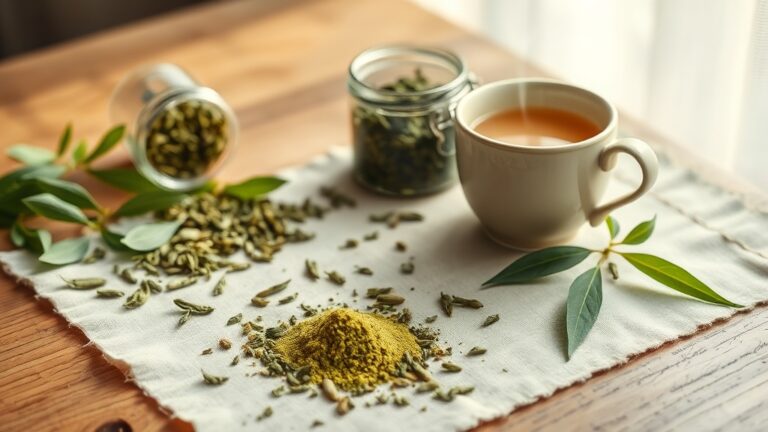
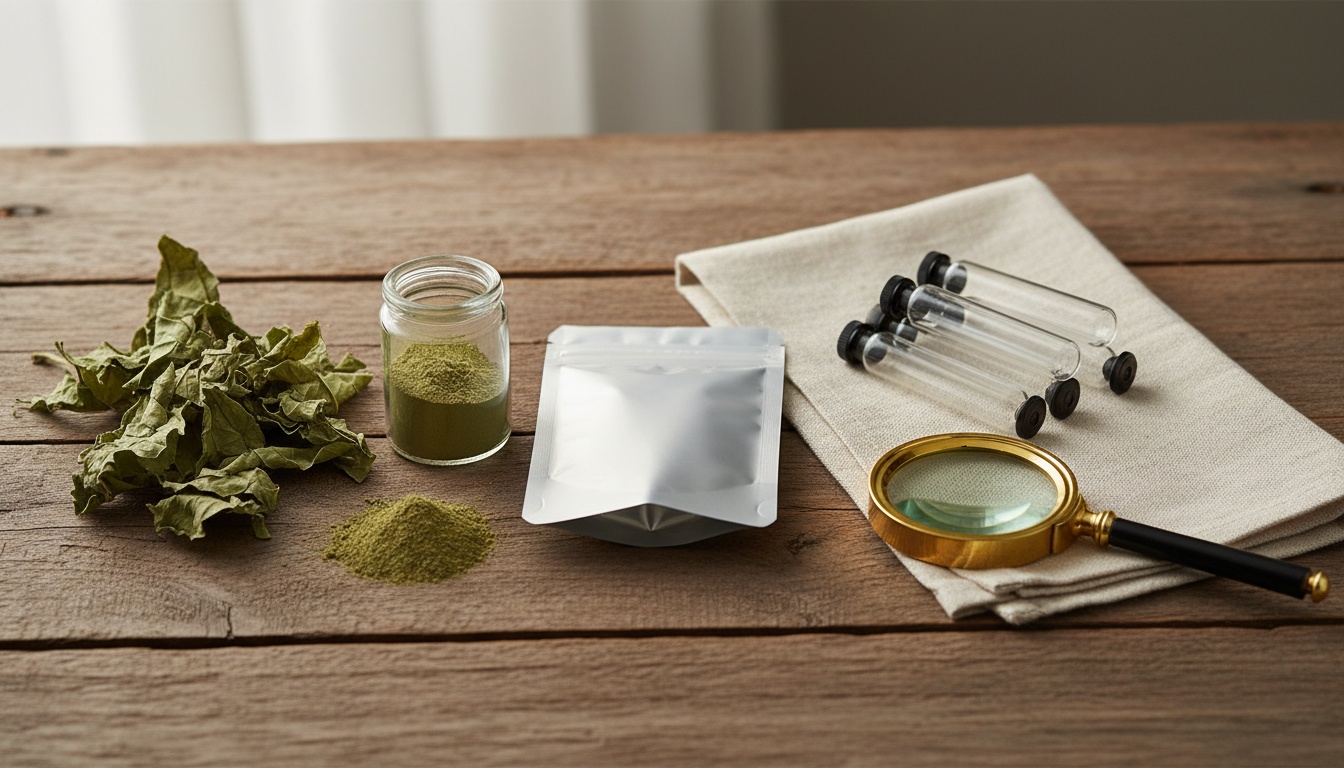
Look, too. Fresh kratom powder has a color true to its strain, a fine and even texture, and a clean, earthy smell. If it looks dull or smells off, skip it.
Check the packaging. Serious vendors seal their products in light-blocking bags or containers that shield the powder from air, light, and moisture.
Notice how much the company teaches you. Vendors that explain strains, dosing, and usage in detail usually run tighter operations overall — that kind of transparency tends to show up in the product too.
And be skeptical of rock-bottom prices. When a deal looks too good, it usually means corners got cut somewhere — sourcing, testing, or storage.
The Industry Is Tightening Up
Standards across the supplement world are rising, not just for kratom. Amazon, for instance, put a new policy in place in April 2024 requiring dietary supplements to be verified through approved third-party testing organizations before they can be sold on the platform.
That shift reflects a broader consumer push for transparency — people want proof, not promises.
Buyers who think beyond same-day convenience tend to get better results. The gap between a gas station product and a properly tested, well-sourced one isn’t cosmetic — it affects both safety and how well the product actually works.
Specialty kratom vendors put real money into supplier relationships, lab testing, and storage because their entire business rests on getting it right. A gas station, by contrast, treats kratom like any other impulse-buy item on the counter — no special handling, no specialized staff, no real stake in quality.
Buying Smarter
Choose vendors based on their track record for quality, not just how close they are to your car.
Do a little homework first. Look at their testing protocols, pull up their COAs, and see how openly they talk about where the kratom comes from and how it’s handled.
Think about value, not just sticker price. Kratom that’s properly tested and consistently potent often ends up costing less per use than cheap, unreliable product.
Stick with vendors you trust once you find them. A steady relationship with a quality-focused seller beats grabbing whatever’s available at the counter.
The market is shifting toward higher standards, and vendors that lean into testing and transparency are the ones likely to stick around. Every purchase you make either rewards that shift or works against it — buying from vendors who take quality seriously helps push the whole industry in the right direction, and it gets you a better product besides.
Frequently Asked Questions
Is it ever safe to buy kratom from a gas station?
It’s not automatically dangerous, but it typically comes without lab testing or quality oversight. You’re better off with a vendor who publishes lab results and is upfront about sourcing.
What should I look for in kratom lab testing?
A recent, batch-specific certificate of analysis from a third-party lab, checking for heavy metals, contaminants, and alkaloid content.
How much should quality kratom cost?
Prices vary by format and amount, but extremely low prices are a warning sign. Reputable vendors often charge less per serving than gas stations do, once you account for quality.
How can I tell if kratom is fresh?
Look for strain-appropriate color, a fine and consistent texture, and a clean, earthy smell. Check for a manufacturing date and packaging that’s sealed against light and moisture.
What does GMP certification mean?
It means the kratom was processed in a facility following Good Manufacturing Practices — the same quality-control standards used in pharmaceutical production.
Are online vendors more reliable than local shops?
Often, yes, but not always. Some local specialty shops maintain high standards too. Judge the vendor by their testing and transparency, not by whether they’re online or in-person.
How long does kratom stay fresh?
Stored properly — sealed, away from light, heat, and moisture — kratom can hold its quality for one to three years. Check expiration dates and follow the vendor’s storage advice.
What red flags should make me walk away from a vendor?
No lab testing, vague or missing sourcing information, unrealistic health claims, prices that seem too low to be true, or a vendor that won’t answer basic questions about their product.