



Chances are you’ve come across ashwagandha somewhere in the wellness world lately — maybe a friend mentioned it for stress relief, or it showed up in your social feed labeled as the next big miracle herb. Behind the hype, though, is a plant with a long history of traditional use and a growing body of scientific research backing it up.
So what is ashwagandha, exactly, and why has it become such a popular choice for people looking to support their health?
What Ashwagandha Actually Is
Ashwagandha (Withania somnifera) is an evergreen shrub native to India, parts of the Middle East, and areas of Africa. The name comes from Sanskrit and roughly translates to “smell of horse” — a nod to both its strong earthy odor and the old belief that it could give someone the strength and stamina of a horse.
You’ll also see it marketed as Indian Winter Cherry or Indian Ginseng, despite having no botanical relation to actual ginseng.
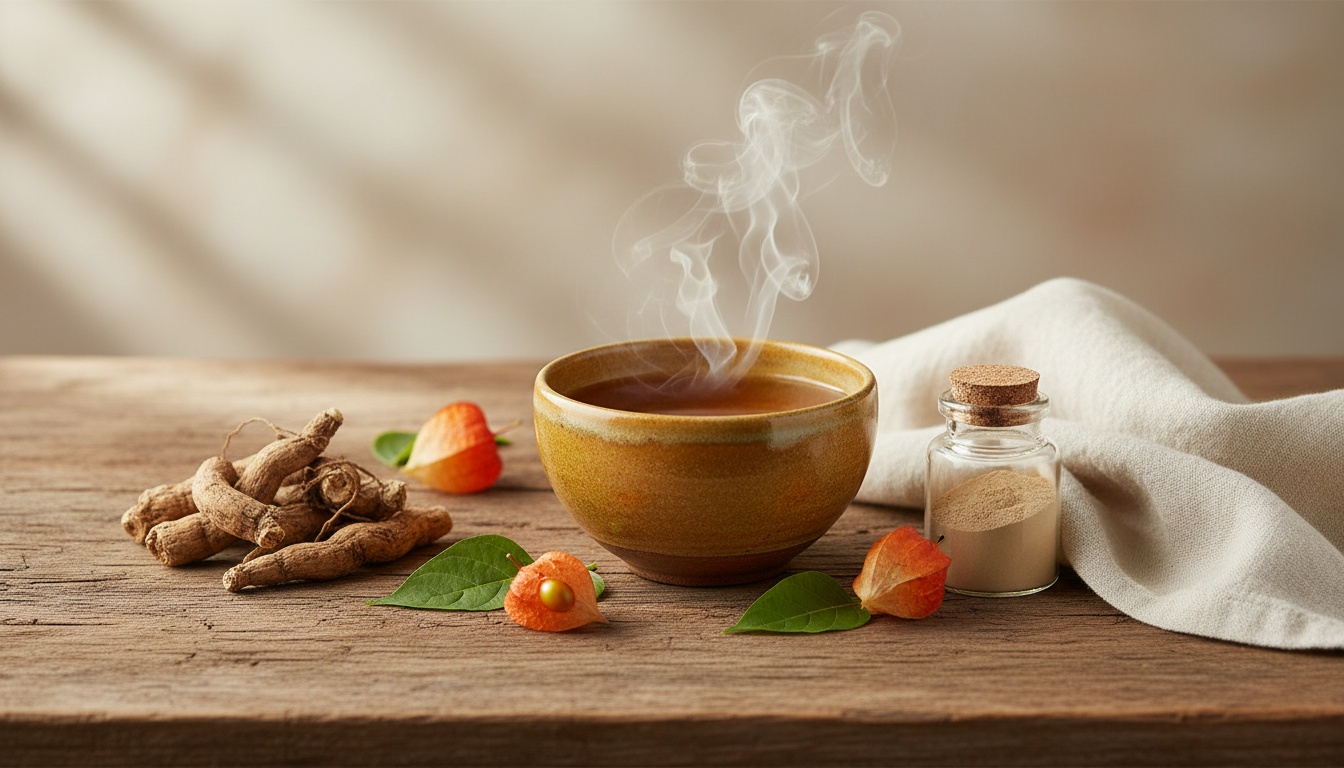
It belongs to the nightshade family. While traditional practices sometimes use the leaves and berries, most supplements today rely on the root, which carries the highest levels of withanolides — the plant compounds thought to be behind most of ashwagandha’s effects.
In Ayurvedic supplement, ashwagandha falls into a category called “rasayana,” meaning a rejuvenating tonic meant to support long-term health. Practitioners have relied on it for generations as a way to help the body handle stress.
How It Works in the Body
Ashwagandha is classified as an adaptogen — a term for natural substances believed to help the body respond to stress and return to balance.
Its active ingredients include withanolides, alkaloids, and saponins. These compounds seem to interact with the hypothalamic-pituitary-adrenal (HPA) axis, the system responsible for managing your body’s stress response.
When stress hits, the HPA axis prompts your body to release cortisol. Cortisol isn’t inherently bad — it plays a role in many bodily functions — but consistently high levels can interfere with sleep, immunity, and other systems.
Research suggests ashwagandha may help regulate this stress-response pathway, which could translate into steadier cortisol levels over time.
What the Research Shows
Science is starting to catch up with tradition here. Below are some of the areas where studies have found notable effects.
Stress and Cortisol
Several trials have looked specifically at ashwagandha’s impact on stress and cortisol. A 2024 meta-analysis pooling data from nine studies and 558 participants found that ashwagandha lowered perceived stress by 4.72 points and cortisol by 2.58 points compared to a placebo.
That’s a meaningful signal that ashwagandha may genuinely support the body’s stress-management systems, not just anecdotally but measurably.
Athletic Performance and Recovery
Multiple reviews have found that ashwagandha may help with strength, power output, cardiovascular fitness, and recovery from fatigue.
In one study, athletes who took 300mg twice daily for eight weeks saw improvements in VO2 max, a key marker of cardiovascular endurance and oxygen efficiency.
There’s also emerging research focused on female athletes specifically, with early findings pointing to benefits for muscle strength and recovery.
Sleep
Some studies point to improved sleep quality, especially among people who deal with occasional sleep disruptions. Many users say they wake up feeling more rested, though this varies from person to person.
Mental Clarity and Focus
Early research suggests ashwagandha could support cognitive function — things like attention span and processing speed. That said, this is an area where more studies are still needed before drawing firm conclusions.
Antioxidant Activity
Lab studies show that ashwagandha is rich in flavonoids and phenolic compounds, both known for antioxidant properties. These may help fight oxidative stress at the cellular level, though human research on this specific point is still limited.
Why People Use It
Ashwagandha shows up in a lot of different wellness routines, for a range of reasons:
- Managing stress — Many people reach for it during high-pressure periods, whether that’s work stress, big life changes, or just the daily grind.
- Supporting sleep — Some take it at night to wind down, while others find it more energizing and prefer taking it earlier in the day.
- Fitness and recovery — Active individuals and athletes sometimes add it to their routine to support training and post-workout recovery.
- General wellness — Plenty of people simply take it as part of a broader daily supplement routine.
Forms and How to Take It
Ashwagandha comes in a few common formats:
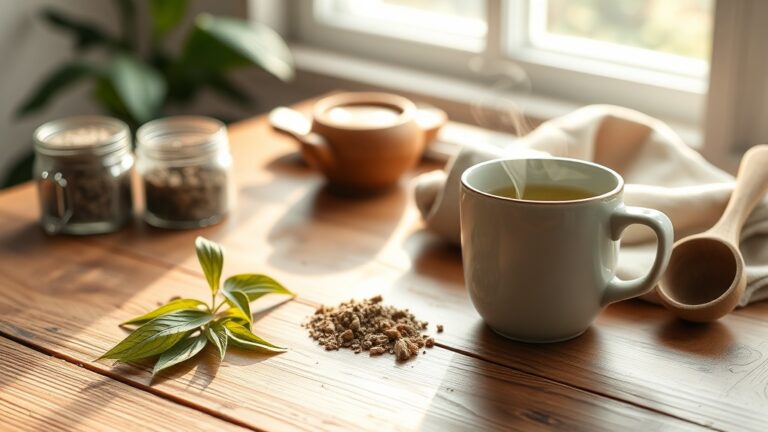
Powder — The traditional form, often mixed into smoothies or tea. It has a distinctly earthy, slightly bitter taste.
Capsules — Pre-measured and tasteless, making them the go-to option for people who want consistency without the flavor. This is similar to why many people gravitate toward kratom capsules for the same reasons — convenience and predictable dosing.
Extracts — More concentrated, often standardized to a specific percentage of withanolides. These function much like concentrated kratom extracts, delivering a more potent, consistent dose of active compounds.
Teas and blends — Frequently mixed with other herbs targeting specific goals. For those who want something grab-and-go, options like kratom shots offer a similar convenience factor for botanical supplementation.
How Much to Take
Study dosages vary, but many trials land in the 300-500mg range of root extract per day, usually split into two doses.
It’s smart to start on the lower end and see how your body reacts before increasing. Timing matters too — some people find it energizing and take it in the morning, while others feel calmer and prefer evening use.
As with any supplement, going slow at first and paying attention to your own response is the safest approach.
Choosing a Quality Product
Ashwagandha supplements aren’t all made the same way. Here’s what to check before buying:
- Root-based, not leaf-based — Root extracts contain more of the active compounds than leaf extracts.
- Standardized withanolide content — Look for products that specify a percentage of withanolides for consistency.
- Independent lab testing — Third-party testing for purity and potency matters. At Amazing Botanicals, we take the same approach to quality testing across our botanical lineup, ashwagandha included.
- Sourcing and processing — Organic or wild-harvested root, processed in certified facilities, tends to offer better quality control. This is the same standard we apply across our other botanicals, including kratom powder.
- Extraction type — Water-based (aqueous) extracts tend to more closely mirror what’s used in clinical research.
A Few Things to Keep in Mind
Ashwagandha has a long track record and solid research behind it, but there are some caveats worth noting:
- Results vary by person — Some people notice effects within days; others need several weeks of steady use. And while some find it energizing, others find it calming — there’s no single universal experience.
- Quality varies widely — Active compound concentration can differ a lot from brand to brand.
- Consistency matters — Most studies run 8-12 weeks of daily use, suggesting regular use may work better than occasional dosing.
- Not right for everyone — Pregnant or nursing women should skip it. Anyone with an autoimmune condition or on certain medications should talk to a doctor first.
Final Thoughts
Ashwagandha sits at an interesting crossroads of old-world tradition and modern clinical study. What Ayurvedic practitioners have used for centuries is now being examined — and largely supported — by contemporary research.
The evidence so far points to real potential benefits for stress, physical performance, and general wellness, particularly with consistent use over time.
That said, everyone’s body responds differently. What works well for one person may not do much for another.
If you’re thinking about trying it, look for a quality, lab-tested product from a source you trust. Start with a modest dose, track how you feel, and give it time before judging whether it’s working. It’s also worth checking a retailer’s shipping and return policies so you can try a product without much risk.
Keep in mind that ashwagandha works best alongside good nutrition, regular movement, solid sleep habits, and other stress-management practices — not as a standalone fix. Many people also pair it with other botanicals, including kratom, as part of a broader wellness approach.
The people who first used ashwagandha understood something simple: real wellness comes from helping your body adapt and function well on its own. Current research suggests they were onto something worth paying attention to.
Frequently Asked Questions
What is ashwagandha?
Ashwagandha is a traditional Ayurvedic herb (Withania somnifera), also known as Indian ginseng or Indian winter cherry, used for centuries to support stress resilience and overall health. Its effects are largely attributed to compounds called withanolides.
What are its main benefits?
Research points to potential benefits for stress and cortisol reduction, sleep quality, physical performance, and mental clarity.
How does it work?
As an adaptogen, ashwagandha is thought to help the body manage stress by influencing the HPA axis — the system that regulates cortisol and the body’s stress response.
Is it safe to use?
For most healthy adults, short-term use is generally considered safe, though mild digestive side effects can occur. It’s not recommended during pregnancy or breastfeeding, and anyone on thyroid, blood pressure, or immune-related medication should check with a doctor first.
How is it typically taken?
Most people use it as a capsule, extract, powder, or tea, usually on a daily basis to support stress relief and overall wellness. The right form and dose depend on individual goals and response.

[…] has been part of social and ceremonial life in the Pacific Islands for generations. Many people use it for a relaxed feeling that doesn’t come with mental fog, thanks to compounds called […]