




Walk into almost any wellness shop and you’ll spot kava and ashwagandha sitting near each other on the shelf. Both get linked to stress relief and relaxation. Both carry centuries of traditional use behind them.
But the labels don’t tell you how differently these two plants actually work. One can shift your mood within the hour. The other needs weeks of steady use before you notice much of anything. Knowing that difference upfront can save you from picking the wrong one and giving up too soon.
Two Plants, Two Very Different Jobs
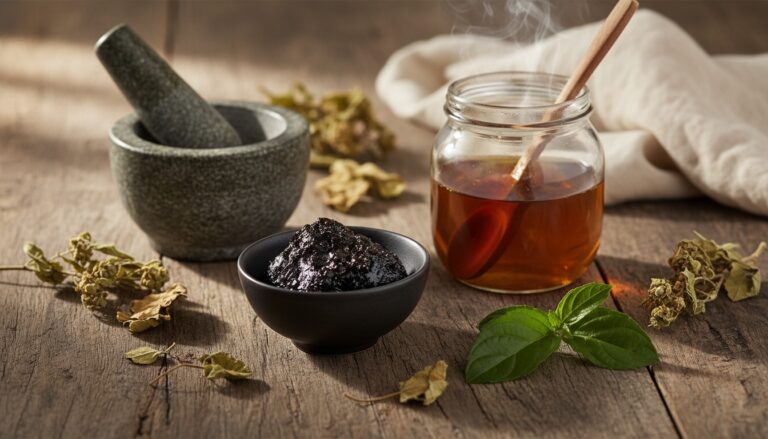
Kava comes from islands in the South Pacific, where people have used it in ceremonies for generations. The root — from the plant Piper methysticum — contains kavalactones, compounds that act directly on GABA receptors in the brain. It’s the botanical equivalent of a friend who shows up at a party and instantly lightens the mood.
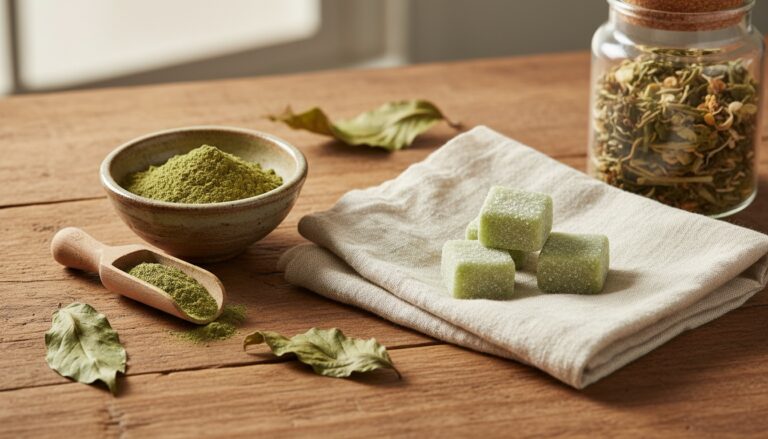
Ashwagandha, by contrast, comes out of India’s Ayurvedic tradition. Its active compounds, called withanolides, seem to help the body regulate stress hormones over time rather than producing an instant effect. It’s less flashy, more like the dependable friend who quietly keeps things steady in the background.
How They Work in the Body
Studies on kava point to a fairly direct mechanism: the kavalactones appear to reduce calcium influx in certain neurons, which produces that familiar loosening, unclenched feeling people describe after taking it. The effect tends to be noticeable and fairly quick.
Ashwagandha takes a slower path. Research on the herb has linked it to lower cortisol levels compared to placebo, suggesting it helps the body’s stress-response system run more efficiently rather than acting on brain chemistry in the moment. You’re not getting an immediate lift — you’re training the system to handle stress better over time.
Timing: Fast Relief vs. Slow Build
Kava tends to kick in within 30 to 60 minutes. Many people describe a wave of calm settling in, often paired with mental clarity rather than drowsiness. That makes it useful right before something specific — a stressful meeting, a social event, or just the end of a rough day.
Ashwagandha works on a completely different clock. Most people need to take it daily for several weeks — commonly cited as two to eight weeks — before noticing a real shift. It’s less about solving today’s problem and more about building a baseline of resilience.
How People Actually Use Them
Kava fits best into specific moments. Got a nerve-wracking presentation tomorrow? A gathering that usually leaves you tense? That’s when kava tends to get reached for.
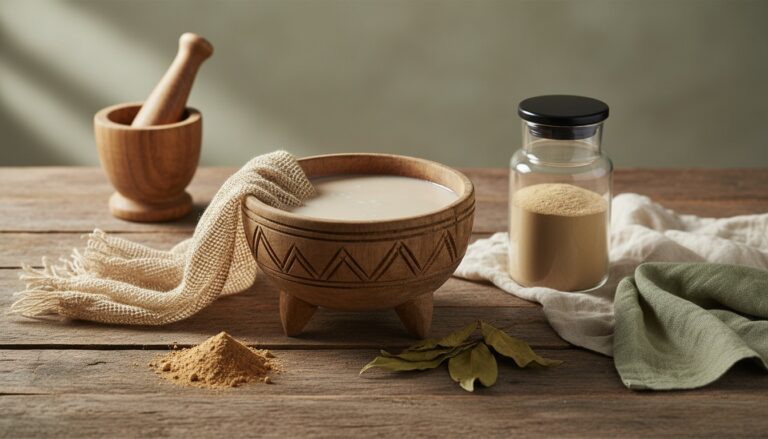
Traditionally, it’s prepared by mixing the root powder with water, producing an earthy drink that leaves a mild numbing sensation on the tongue. These days, capsules and liquid extracts offer a more convenient option for people who don’t want to deal with the traditional preparation.
Ashwagandha, on the other hand, works better as part of a daily habit — taken with breakfast or dinner, day after day, as ongoing maintenance rather than an occasional fix.
For both, liquid forms tend to act faster than capsules or powders, though the difference matters more for kava, where timing is often the whole point.
About the Taste
Neither of these is going to win a flavor contest.
Kava has an earthy, bitter taste with a slight numbing effect on the lips and tongue — some people compare it to something muddy or peppery. Ashwagandha has a strong, musky smell and a bitter flavor of its own, which is why a lot of people just take it in capsule form to skip the taste altogether.
Both have loyal users who’ve decided the effects are worth pushing through the flavor.
What to Look for in Quality
Not all kava or ashwagandha products are created equal. Potency and purity can vary a lot between suppliers, so it’s worth looking for products that have been lab-tested. Wild-harvested sources tend to offer a more consistent profile of active compounds, and manufacturing in GMP-certified facilities helps ensure one batch matches the next.
Third-party testing is really what gives you confidence that what’s on the label matches what’s in the bottle — and it makes it easier to figure out the right dose for you.
A Growing Market
Interest in herbal supplements has been climbing steadily, with ashwagandha in particular seeing solid growth in natural product sales. More people seem to be turning to these traditional botanicals as part of managing everyday stress, alongside — or instead of — more conventional options.
So Which One Should You Choose?
It really comes down to what kind of support you’re after.
Go with kava if you want relief tied to a specific moment — winding down after a hard day, easing into a social situation, or creating a short relaxation ritual you can feel working within an hour or so.
Go with ashwagandha if you’re more interested in steady, long-term stress management — something that supports your body’s natural stress response and builds resilience gradually, rather than delivering an instant effect.
Some people use both: ashwagandha as a daily habit, kava for the occasional situation that calls for something more immediate.
Getting Started
Start low and pay attention to how your body reacts. With kava, you’ll likely know pretty quickly whether it’s working for you. With ashwagandha, patience matters — give it the full few weeks before deciding whether it’s helping.
It’s worth keeping a simple log of dosage, timing, and how you felt afterward. Responses to both botanicals vary quite a bit from person to person, so what works for someone else may not work the same way for you.
The Bottom Line
There’s no universal winner between kava and ashwagandha — they’re built for different jobs. Kava gives you something you can feel almost right away. Ashwagandha rewards patience with a steadier, longer-term shift in how your body handles stress.
The right choice depends on what you’re actually trying to solve: a stressful moment today, or a stress pattern you’re trying to change over months. Understanding that distinction is really the whole game.
Frequently Asked Questions
Can I take kava and ashwagandha together?
Many people do, using ashwagandha for daily support and kava for specific situations. It’s a good idea to try each one separately first so you understand how it affects you individually.
How fast will I feel the effects?
Kava usually works within 30 to 60 minutes. Ashwagandha typically takes two to eight weeks of consistent daily use before effects become noticeable.
Which form works fastest?
Liquid preparations tend to act quicker than capsules or powders for both botanicals.
Are there side effects to watch for?
Both are generally well-tolerated, but starting with a lower dose is a smart way to see how your body responds. Talk to a healthcare provider if you have any concerns, especially if you take other medications.
What should I look for in a quality product?
Lab-tested, wild-harvested botanicals from GMP-certified facilities, with third-party testing to confirm purity and potency.
Which is better for someone just starting out?
Ashwagandha may be the easier entry point since it fits into a daily routine and builds gradually. Kava requires a bit more attention to timing and setting since its effects are more immediate.