
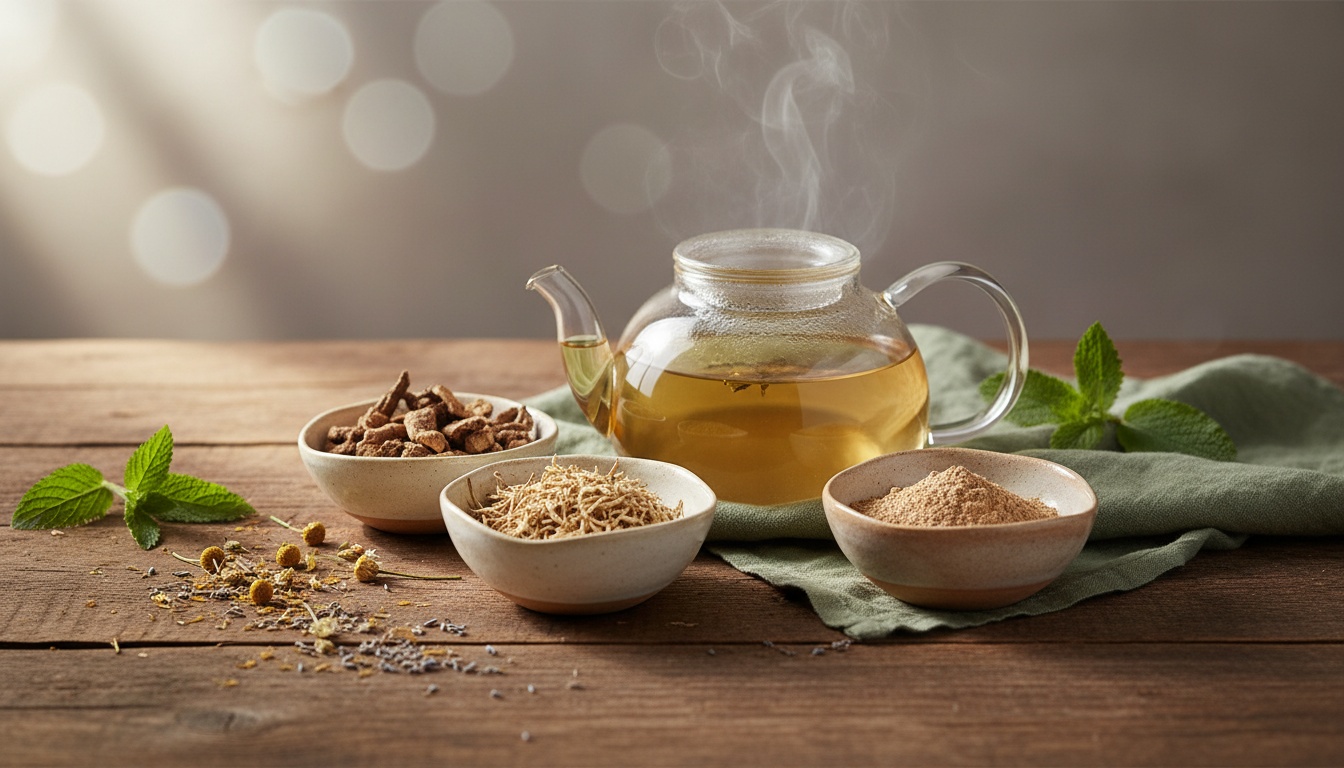
Life moves fast, and it’s no surprise that more people are turning to plants for a sense of calm. Herbal supplements have a long history of use for relaxation, and researchers are still working to understand why so many of these traditional remedies hold up. Whether you’re managing everyday stress, tossing and turning at night, or just want a better wind-down routine, certain herbs have earned their reputation for good reason.
Below are ten botanicals commonly used for relaxation, along with what to look for when choosing a quality product.
1. Ashwagandha: Built for Stress
Few adaptogens have been studied as much as ashwagandha. This Ayurvedic herb is often used to help the body cope with daily stress and maintain a sense of balance. People who take it regularly often describe feeling steadier and more resilient.
When shopping for ashwagandha, look for standardized extracts listing withanolide content — the compounds responsible for its effects. Quality products usually contain between 1.5% and 12% withanolides and include third-party lab results.
2. Valerian Root: An Old Standby for Sleep
Valerian has a long track record in Europe and Asia as a sleep aid. People reach for it when occasional sleeplessness or a restless night gets in the way. Because its active compounds break down quickly, freshness matters — good valerian root has an earthy smell and should be kept in a sealed, dark container. Some people find combination products, like valerian paired with other calming herbs, easier to work into a nightly routine.
3. Kava: A Pacific Tradition
Kava has been part of social and ceremonial life in the Pacific Islands for generations. Many people use it for a relaxed feeling that doesn’t come with mental fog, thanks to compounds called kavalactones.
Good kava products list both kavalactone content and where the plant was grown. Noble varieties from Vanuatu, Fiji, and Tonga are usually considered the better choice. Look for water-extracted kava that’s been tested for contaminants — that’s the traditional and safer processing method.
4. L-Theanine: Calm Without the Drowsiness
This amino acid, found naturally in tea leaves, is known for producing a relaxed but alert state — not the sleepy kind of calm. It’s a favorite among people who want to ease tension without losing focus.
Look for supplements that clearly state milligram dosage and carry third-party testing, since quality and bioavailability can vary between brands.
5. Passionflower: Gentle and Time-Tested
Passionflower has a long history of use in both the Americas and Europe for soothing an overactive nervous system. It’s often part of evening routines aimed at easing restlessness. Good products use the plant’s aerial parts — leaves and flowers — without excess stem material, and should have a mild, natural scent and color.
6. Lemon Balm: A Mood-Lifting Mint
This lemon-scented member of the mint family has been used in Mediterranean traditions for centuries, often to support a positive mood and gentle relaxation. Quality lemon balm keeps its bright green color and citrusy aroma — if it looks brown or smells flat, it’s likely old or poorly stored.
7. Chamomile: The Classic Choice
Chamomile might be the most familiar relaxation herb around the world. Its flower heads contain apigenin and other compounds tied to its calming reputation. German chamomile is generally favored over the Roman variety for this purpose. Look for whole, intact flowers with bright yellow centers and a sweet, apple-like smell.
8. Lavender: More Than Just a Scent
Lavender’s calming reputation goes beyond aromatherapy — it’s also taken as a supplement by people looking to ease tension and support better evenings. Check that the label specifies the species, ideally Lavandula angustifolia, and that the product retains a strong, natural fragrance and purple hue.
9. Magnolia Bark: A Traditional Chinese Remedy
Magnolia bark has been used in Traditional Chinese medicine for thousands of years. Its key compounds, honokiol and magnolol, are linked to its relaxing effects. Look for standardized extracts from suppliers that follow sustainable harvesting practices.
10. Holy Basil (Tulsi): A Sacred Adaptogen
Holy basil holds a respected place in Ayurvedic tradition as an adaptogen that may help the body handle everyday stress. Many people add it to their evening routine as part of a broader relaxation practice. Choose organic tulsi that specifies the variety — Ocimum sanctum or Ocimum tenuiflorum — and has been carefully dried to preserve its natural compounds.
What Separates a Good Supplement from a Bad One
Quality should always come first when choosing an herbal product. Here’s what to check before you buy:
- Third-party testing — Certificates of Analysis (COAs) confirm potency and rule out contamination
- Source transparency — Reputable brands share where and how their herbs are grown
- Proper processing — Herbs need correct drying and storage to keep their beneficial compounds intact
- Clear labeling — Look for the plant part used, extraction method, and standardization details
- Certifications — GMP certification and organic labeling are good signs of a trustworthy product
Building a Relaxation Routine
Some herbs work better together. Chamomile and lavender are a common evening pairing, while L-theanine and ashwagandha often get combined for daytime stress support. That said, it’s smart to try herbs one at a time first, so you know how each one affects you before mixing them.
Pay attention to timing and dosage, and expect some herbs — like adaptogens — to work best with regular, consistent use, while others are fine to take only when you need them.
A Word on Safety
Herbal supplements are generally well tolerated, but they’re not one-size-fits-all. Start with a smaller dose to see how your body responds, and keep in mind that some herbs can interact with medications.
Talk to a healthcare provider before starting anything new, especially if you’re managing a health condition or taking other medications. This is especially true for kava, which isn’t right for everyone.
Final Thoughts
There’s no shortage of natural options for relaxation, from ashwagandha’s stress-easing properties to chamomile’s gentle evening support. Each herb offers something a little different, and finding the right one — or combination — often comes down to trial and personal preference.
Quality matters more than anything else. Choose products from sellers who are transparent about sourcing, testing, and processing. With the right choices and a thoughtful approach, herbal supplements can be a genuinely useful part of a relaxation routine.
Frequently Asked Questions
How long does it take for these supplements to work?
Herbs like chamomile or L-theanine often produce noticeable effects within 30 to 60 minutes. Adaptogens such as ashwagandha usually need two to four weeks of consistent use to show their full benefit.
Can I combine different relaxation herbs?
Yes, many pair well together, but it’s best to try one herb at a time first. Common combinations include chamomile with lavender, or L-theanine with ashwagandha.
What’s the difference between powders, capsules, and teas?
Powders give you flexibility with dosing, capsules offer convenience and consistency, and teas provide a slower, more ritualistic experience. All can work well if the source is high quality.
Are these supplements safe with prescription medications?
Not always — some herbs can interact with medications, particularly blood thinners and sedatives. Check with a healthcare provider before combining them.
How can I tell if a supplement is good quality?
Look for third-party testing (COAs), clear sourcing details, GMP certification, and specific labeling. Be wary of vague claims or missing documentation.
Should these herbs be taken daily or as needed?
It depends on the herb. Adaptogens like ashwagandha tend to work best with daily use, while herbs like chamomile can be taken only when you need a boost of calm.
When’s the best time to take them?
Herbs like valerian and chamomile are usually taken 30 to 60 minutes before bed. Adaptogens are flexible and can be taken morning or night, while L-theanine works whenever you need calm focus.
Can you build a tolerance to these herbs?
Most relaxation herbs don’t lead to tolerance with normal use. Still, rotating herbs or taking occasional breaks can help keep them effective over time.