


If you’ve been using kratom for a while, you’ve probably noticed the effects aren’t always consistent. Maybe you’ve tried different strains or changed up your timing, but something still feels off. The gap between casual use and a well-optimized routine usually comes down to a handful of principles — and once you understand them, the improvement is noticeable.
Start With Quality Kratom
Everything else depends on what you’re buying in the first place. No amount of careful preparation will fix low-quality product.
Look for suppliers that publish third-party lab results showing alkaloid content, not just contamination screening. Green Malay, for example, tends to test highest for mitragynine (around 59.7%) and total alkaloids (around 94.9%) in lab analysis.
Wild-harvested kratom from established Indonesian farms generally shows higher alkaloid content than plantation-grown material — the natural growing conditions seem to produce more potent leaves.
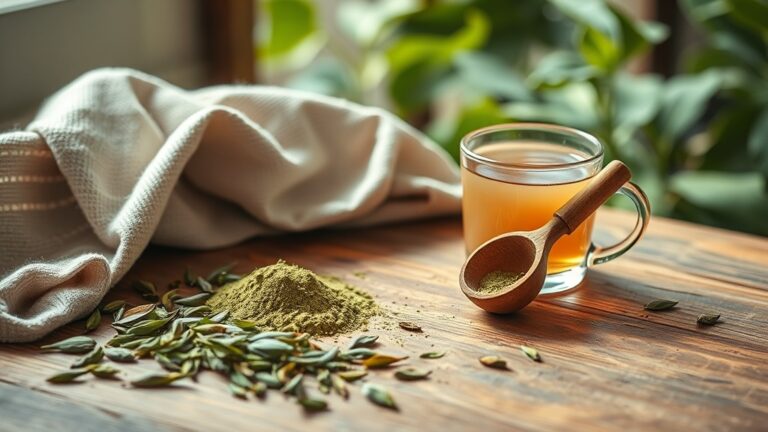
You can also tell a lot by smell and appearance. Fresh kratom has an earthy scent; kratom that’s gone stale or was stored poorly develops a musty smell, which usually signals the alkaloids are breaking down. Consistency of color within a single batch matters more than comparing colors across different strains.
At Amazing Botanicals, every batch is third-party lab tested and processed in AKA GMP-certified facilities, so you’re starting from a reliable foundation before you even get to preparation and dosing.
Know What Strains Actually Do
Marketing often oversells the differences between strains. Lab analysis frequently shows that alkaloid content varies less between strains than people assume — freshness and quality often matter more than the strain name on the label.
That said, the three main vein types tend to produce different experiences for many users:
- Red vein — often used in the evening, associated with relaxation.
- Green vein — a middle ground many people use for focus and daily tasks.
- White vein — traditionally tied to energy and morning routines.
Rather than hunting for exotic strain names, focus on finding a supplier with transparent testing. If you rotate strains, do it every 2-3 days instead of daily — switching too often makes it hard to gauge what’s actually working.
Get Your Dosing Right
Dosing is where a lot of people go wrong, and it’s often the difference between a solid experience and a disappointing one.
Start small — 0.5 to 1 gram — and increase in half-gram steps until you find your range. Most people land somewhere between 1 and 3 grams per serving.
Timing matters more than people realize. Mitragynine typically peaks in the blood within about an hour to an hour and a half after taking it, but its half-life can stretch to nearly 68 hours with repeated dosing. That means your body may still be holding onto alkaloids from your last session longer than you’d think.
Space doses at least 6-8 hours apart to avoid buildup. Track your patterns over weeks rather than days — what looks like rising tolerance might actually just be accumulation from dosing too frequently. Cap yourself at two doses per day, and consider taking a full day off each week to keep your sensitivity intact.
Preparation Methods Make a Difference
Standard kratom powder has fairly low oral bioavailability — only around 21%, meaning a good chunk of what you take may not be fully absorbed. Certain preparation methods can help.
Toss and wash is the classic approach: measure your dose, place it on your tongue, and wash it down with liquid, following up with more liquid to clear any residue.
Adding citrus — lemon juice, grapefruit juice, or apple cider vinegar — may help convert alkaloids into more absorbable forms. Mix it right before taking it, since letting kratom sit in acid too long can break down potency instead of helping it.
Tea preparation tends to be gentler on the stomach. Use water heated to 160-180°F to extract alkaloids without degrading them. Some people also try a freeze-thaw method — freezing the powder in water overnight, then thawing and straining before drinking.
Blending into a smoothie hides the taste and adds nutrients. Including a healthy fat, like coconut oil, may help with absorption of certain compounds.
Capsules are the simplest option for consistent dosing and no taste, especially when taken with warm water and a bit of healthy fat.
Natural Potentiators — Use With Caution
Some natural compounds are commonly paired with kratom to enhance or extend its effects, but they’re not necessary, and beginners should skip them at first.
- Turmeric and black pepper: curcumin may help extend effects, while piperine (found in black pepper) may aid absorption. A quarter teaspoon of turmeric with a pinch of black pepper is typically enough.
- Magnesium: some users take 200-400mg of magnesium glycinate in the evening, believing it helps prevent tolerance buildup.
- Grapefruit juice: a small glass about 30 minutes beforehand may extend effects for some people. Skip this if you take any prescription medication that interacts with grapefruit — the interaction risk applies here too.
If you’re new to kratom, get comfortable with the basics before adding any of these into your routine.
Storage: Don’t Overlook It
Light, heat, and moisture break down alkaloid content faster than most people expect, and the decline is gradual enough that it’s easy to miss.
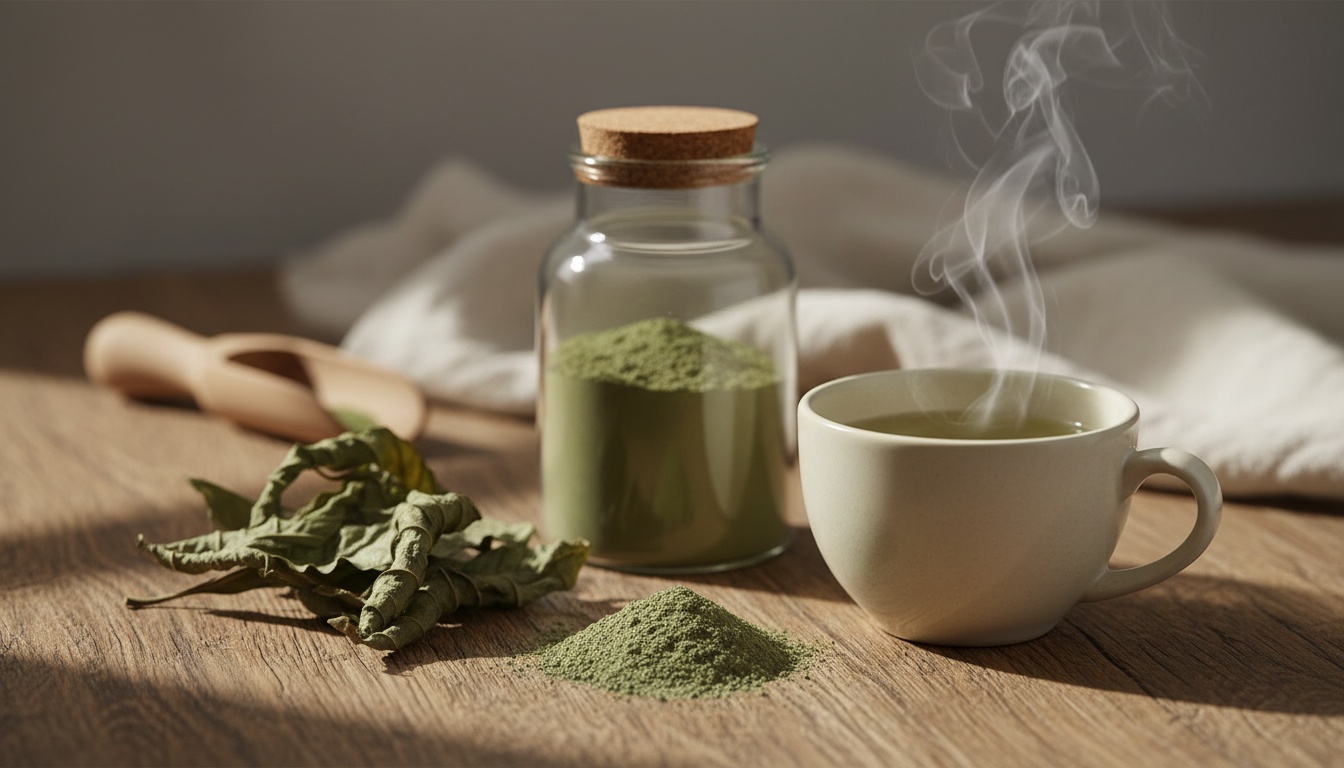
Keep kratom in an airtight container, somewhere cool and dark. Mason jars work fine, but vacuum-sealed bags do a better job of limiting air exposure. In humid climates, refrigeration can help extend shelf life — just make sure the container is fully moisture-proof to avoid condensation.
If you buy in bulk, split it into smaller portions so you’re not exposing your whole supply to air every time you use it. Label containers with the strain and purchase date, and use older stock first.
Timing and Daily Habits
When and how you take kratom shapes the experience almost as much as what you take.
Taking it on an empty stomach — ideally 2-3 hours after eating — tends to produce a faster, stronger effect. Staying hydrated also helps, since kratom can have a mild dehydrating effect on some people.
Some users pair green or white strains with workouts for added focus, while red strains are more commonly used afterward to wind down. Sleep quality plays a role too — poor sleep can blunt effectiveness and make side effects more likely.
Pay Attention to Your Own Patterns
The best way to fine-tune your routine is to actually track it. Keep a simple log of strain, dose, preparation method, timing, and how you felt afterward. Patterns tend to show up after a few weeks, not a few days.
Notice what combinations work for different situations — a morning routine probably calls for something different than an evening one. Watch for side effects or effects that seem to be fading, since those are usually early signs that your dosing or rotation needs adjusting.
Be honest about what’s working. What works well for someone else may not suit your body the same way.
Putting It All Together
Optimizing your kratom routine isn’t about doing everything at once. Pick one area — better storage, a new preparation method, more consistent timing — and get it right before adding the next piece.
Quality kratom from a trustworthy supplier is what makes all of this worth doing. Without it, none of these techniques have much to work with.
Keep in mind that your needs may shift over time — with stress, seasons, or just life in general — so stay open to adjusting your approach rather than sticking to a fixed routine.
Frequently Asked Questions
How often should I rotate kratom strains?
Every 2-3 days tends to work better than switching daily, since it gives you enough time to notice actual effects before changing again.
What’s the best time to take kratom?
Many people prefer an empty stomach, waiting 2-3 hours after eating. Green and white strains are commonly used in the morning, red strains in the evening.
How long does kratom stay in your system?
Mitragynine’s half-life can extend up to roughly 68 hours with repeated dosing, so spacing doses 6-8 hours apart helps avoid buildup.
Can I combine kratom with other supplements?
Turmeric, black pepper, and magnesium are commonly used alongside kratom. Research any interactions first, and avoid combining with prescription medications without talking to a healthcare provider.
What’s the best way to store kratom long-term?
Airtight containers in a cool, dark spot. Refrigeration helps in humid climates. Splitting bulk supply into smaller portions cuts down on air exposure.
Powder or capsules — which is better?
Powder usually kicks in faster but has a stronger taste. Capsules are more convenient and easier to dose precisely, though they may take a bit longer to take effect. Quality matters more than format.
How can I tell if kratom is good quality?
Check for third-party lab testing and clear sourcing information. Fresh kratom smells earthy; stale kratom smells musty. Reputable suppliers, including Amazing Botanicals, publish lab results for every batch so you know exactly what you’re getting.