

Kratom powder isn’t as stable as most people assume. The Green Maeng Da you loved in July might feel like a different product by January — and it kind of is. Rainfall, sunlight, and harvest timing all shift the alkaloid content of the plant, and your own storage conditions at home add another layer of variation as humidity and temperature change with the seasons.
This is why a favorite strain can suddenly feel inconsistent for no obvious reason. Once you understand what’s driving these changes, you can adjust how you buy and store kratom throughout the year instead of just guessing why a batch feels “off.”
Start With Quality Verification
Before worrying about seasonal differences, make sure you’re working from a solid baseline. Any batch you buy should come with third-party lab testing that shows alkaloid profiles, contaminant levels, and potency. Without that information, you’re really just guessing at what you’re taking.
Look for vendors who test each batch individually rather than testing once and assuming every future harvest will match. Given how much kratom potency shifts with the seasons, that one-and-done approach doesn’t hold up.
Wild-harvested kratom from Indonesian farms tends to show the biggest swings from season to season. Cultivated varieties are more stable, though they still change somewhat. GMP-certified processing helps keep manufacturing consistent, but it can’t override natural variation in the raw plant material.
Spring and Summer: What to Expect
Warmer months generally produce kratom with stronger alkaloid concentrations, thanks to more sunlight and steadier rainfall. A lot of users notice that spring harvests feel more energizing overall, and Green and White strains — the ones typically linked to focus — often feel especially potent during this stretch.
Because of this, summer kratom often calls for smaller serving sizes than what you might be used to. If you’re switching to a fresh seasonal batch, start low and adjust from there.
Red strains harvested in summer can also feel more balanced than their winter counterparts, likely due to a wider range of alkaloids present.
One practical note: humidity is your enemy in summer. Moisture speeds up degradation and can even introduce contamination issues, so storage matters more this time of year than any other.
Fall and Winter: What Changes
As trees head into dormancy, their alkaloid makeup shifts again. Certain compounds concentrate while others drop off, and the net effect is that winter kratom often needs a larger serving size to produce the same effects as a summer batch.
Red strains associated with relaxation tend to feel more pronounced when harvested in winter — the stress trees experience during colder months seems to boost certain alkaloid pathways. If you’re specifically looking for calming effects, this is worth keeping in mind. (For more on that topic, see our guide to herbal supplements for relaxation.)
On the storage side, winter actually works in your favor. Lower humidity means less risk of degradation, so your kratom naturally lasts longer. If you keep any kind of stock on hand, this is also a good time to rotate summer and winter batches together for a more even, predictable experience.
Storage Tips That Apply All Year
- Keep it cool and dry. Consistent, moderate conditions protect alkaloid content better than anything else.
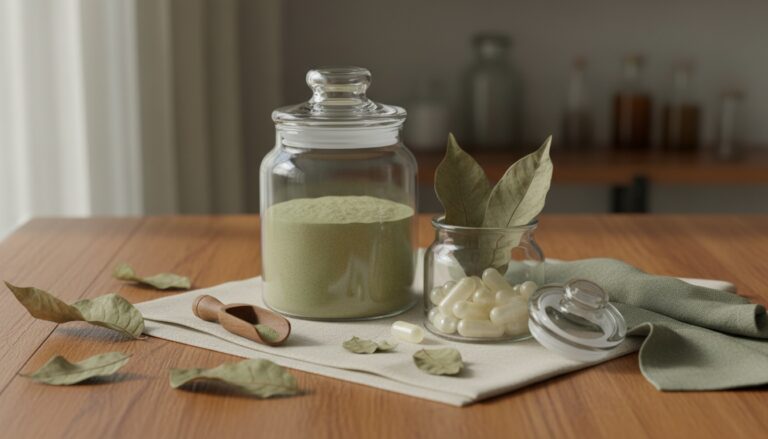
- Use airtight glass containers. Glass holds up better than plastic bags for long-term storage and blocks moisture more reliably.
- Avoid temperature swings. Storing kratom near a heating vent or a sunny window does more damage than storing it somewhere merely “not cold enough.”
- Label everything. Purchase date and batch number let you track which harvests actually worked well for you.
- Be careful with refrigeration. It can extend shelf life, but condensation from temperature changes can wreck an entire batch if you’re not careful.
For more detail, our post on storing botanical blends covers additional tips for preserving freshness long-term.
Choosing Where to Buy
Not all vendors handle seasonal variation the same way, and where you buy matters almost as much as what you buy.
- Sourcing relationships matter. Vendors with direct farm partnerships usually have better insight into harvest timing than those buying through wholesale distributors.
- Established vendors track patterns. They know which harvest windows tend to produce the best results for specific strains and adjust their offerings accordingly.
- Small batch vs. bulk suppliers. Smaller vendors often sell fresher product but may have less consistency season to season. Larger suppliers offer more stability, though their stock may sit longer before reaching you.
- Ask questions. As more consumers understand seasonal variation, vendors are having to respond with better transparency about sourcing and testing.
- Consider wholesale carefully. Buying larger quantities can get you access to a specific seasonal batch, but only makes sense if you can store it properly and actually use it before quality declines.
Building Your Own Seasonal Routine
The best approach is simple: pay attention and keep notes. Track how different batches feel to you across the year, and note which harvest periods line up with the effects you’re after. Build a relationship with a vendor who understands these shifts and is willing to talk about harvest timing and storage conditions for specific lots.
It can also help to keep small amounts of a few different seasonal batches on hand, so you have options if your usual strain starts feeling inconsistent. Your needs might genuinely change with the seasons too — what works for an active summer schedule may not suit a quieter winter routine indoors.
Write down what you notice. A strain that works well in January may feel completely different by July, and having your own record beats relying on memory.
Why This Knowledge Pays Off
Once you understand how kratom shifts with the seasons, you’re no longer buying blind. You ask better questions, notice patterns other consumers miss, and can spot when something feels inconsistent because of storage or bad sourcing rather than natural variation.
Vendors who care about quality tend to respond well to customers who understand these details — it usually means better information and better service. And tracking your own seasonal patterns becomes a built-in quality check: if a strain stays consistent across different harvest periods, that’s a good sign the vendor is handling processing and storage properly.
In the end, treating kratom as a seasonal product rather than a static commodity puts more control in your hands. The more specific your questions, the more pressure there is on vendors to be transparent — and that benefits everyone buying botanical products, not just you.
Frequently Asked Questions
Q: Why does my kratom feel different in winter versus summer?
A: Growing conditions change alkaloid content by season. Summer harvests tend to run stronger, while winter batches often need a larger serving size for the same effect.
Q: How should I store kratom during humid months?
A: Use airtight glass containers in a cool, dry spot. Avoid temperature swings, and consider moisture-absorbing packets for extra protection.
Q: Do I need different strains for different seasons?
A: Not necessarily — but the same strain can feel different depending on when it was harvested. Track your experience and adjust dosage or rotate batches as needed.
Q: What lab testing should I look for?
A: Third-party testing on every batch, covering alkaloid profile, contaminants, and potency. Be wary of vendors who test once and assume future batches will match.
Q: Is fresh kratom always better?
A: Not automatically. Some seasonal harvests suit your needs better than others regardless of freshness. Proper storage and batch tracking matter more than “newest is best.”
Q: How do I find vendors who understand seasonal variation?
A: Ask about harvest timing, storage practices, and batch-specific testing. Good vendors will have answers and often bring the topic up themselves.
Q: Should I buy kratom in bulk?
A: Only if you can store it properly and will use it in a reasonable timeframe. Smaller batches usually offer more freshness and variety.
Q: Why do serving sizes need to change with the seasons?
A: Alkaloid concentration shifts by harvest season. Summer batches are often stronger and need less product; winter batches may need more to get the same effect.