


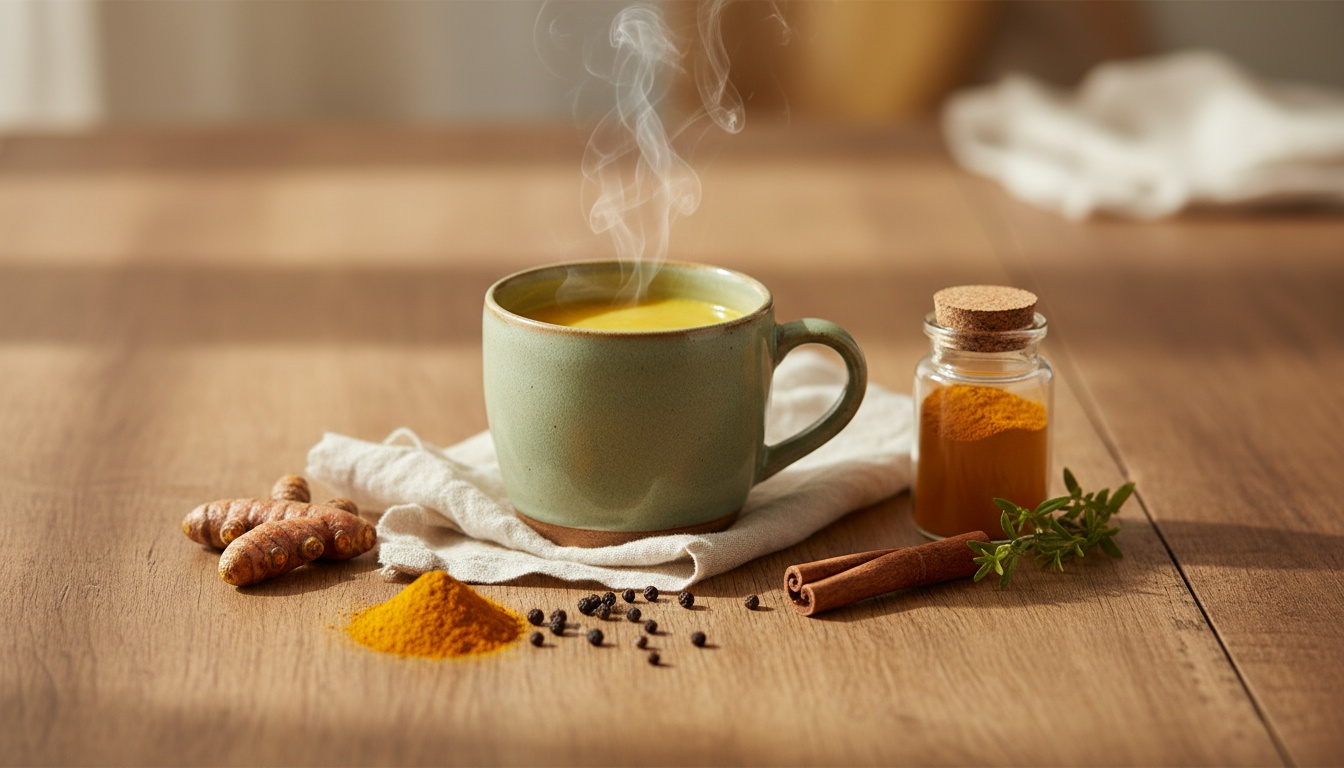
Golden milk—known in India as haldi doodh—has been part of home remedies for thousands of years. It’s a warm, spiced drink built around turmeric, and it’s found new popularity as people look for simple rituals that fit into a modern wellness routine.
The basic idea is straightforward: turmeric’s active compounds get paired with a few supporting ingredients that help your body actually use them, while also making the drink taste good. Done well, golden milk is creamy, warming, and easy to work into a daily routine. Done poorly—which is more common than you’d think—you end up with a chalky drink and very little benefit.
Why Golden Milk Actually Works
Turmeric’s main active compound is curcumin, which is commonly linked to anti-inflammatory and antioxidant effects. People who drink golden milk regularly often report improvements in joint comfort, digestion, and general well-being.
Here’s the catch: curcumin on its own is hard for the body to absorb. This isn’t a new problem. Traditional Indian recipes solved it long ago by pairing turmeric with black pepper and a source of fat. Research has shown that piperine, the compound that gives black pepper its bite, can boost curcumin absorption dramatically—by as much as 2,000% in some studies.
That small pinch of pepper is what separates a golden milk that just looks nice from one that actually delivers something to your system.
What Golden Milk Is Commonly Used For
People drink golden milk for a range of reasons, and while individual experiences vary, a few benefits come up again and again:
- Joint comfort. Curcumin’s anti-inflammatory reputation makes golden milk popular among people managing everyday aches or recovering from exercise.
- Digestive support. Turmeric has long been used to settle the stomach, and the warming spices in golden milk can add to that effect.
- Better sleep. The ritual itself—a warm drink before bed, often with cardamom or vanilla—tends to be relaxing, separate from any specific ingredient.
- Immune support. Turmeric’s antioxidant content may give a gentle boost to the body’s normal immune function, especially alongside other spices.
- Skin health. Some people notice clearer skin with regular turmeric intake, though this varies from person to person.
None of this replaces medical care, and results differ from one person to the next. Golden milk works best as one small piece of an otherwise healthy routine, not a cure-all.
A Solid Golden Milk Recipe
This base recipe is a good starting point. Once you’re comfortable with it, adjust the spices to your taste.
Base ingredients:
– 1 cup milk (coconut, almond, or oat all work)
– 1 teaspoon turmeric powder
– 1/4 teaspoon ground ginger
– A pinch of black pepper (don’t skip this)
– 1 tablespoon coconut oil or ghee
– 1 teaspoon honey or maple syrup
Optional additions:
– 1/2 teaspoon cinnamon
– 1/4 teaspoon cardamom
– 1/4 teaspoon vanilla extract
– A pinch of nutmeg
Method:
Warm the milk in a small saucepan over medium heat—don’t let it come to a boil. Whisk in the turmeric, ginger, and black pepper until the mixture is smooth, with no lumps. Add the coconut oil or ghee and let it melt in fully. Stir in your sweetener and any extra spices, then let everything simmer gently for two to three minutes, whisking now and then. If you want a completely smooth texture, strain it through a fine mesh sieve before serving. Drink it warm, right away.
Choosing Your Milk
The milk you use changes both the flavor and how well your body absorbs the curcumin.
- Coconut milk gives the richest texture and enough natural fat to support absorption. Go for full-fat versions.
- Almond milk is lighter, with a mild nutty flavor. Pick unsweetened brands so you control the sugar.
- Oat milk is creamy and adds a bit of fiber—just check the label for unnecessary additives.
- Dairy milk is the traditional choice and adds protein, though some people find it harder on digestion than plant-based options.
Whatever you choose, don’t go fat-free. Curcumin needs some fat to cross into your system properly.
Variations Worth Trying
Once the basic recipe feels routine, you can adapt it for different purposes:
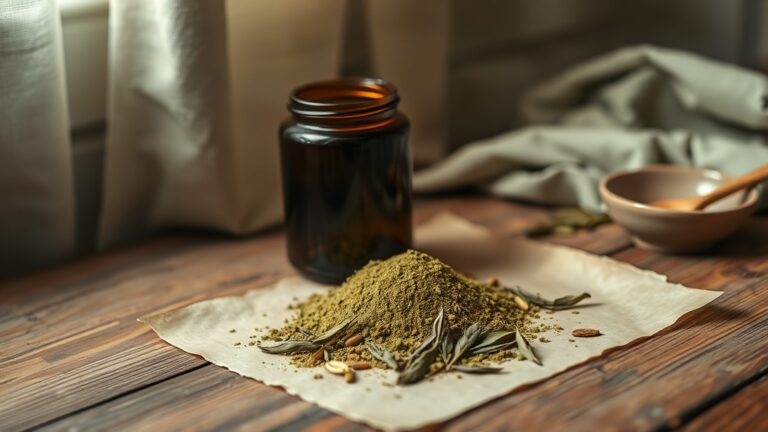
Morning blend: A pinch of cayenne and some fresh grated ginger add a wake-up kick. Some people also stir in green vein kratom powder, which is often associated with alertness, though this is a personal choice and not something everyone adds.
Evening blend: Brew it with chamomile tea and extra cardamom for a calmer version. Kava root powder is another addition some people use for its relaxing reputation.
Post-workout blend: Add a scoop of protein powder and a bit more coconut oil to support recovery after exercise.
Digestive blend: Fennel seeds and fresh mint make a soothing variation if your stomach needs settling.
If you’re experimenting with any botanical add-ins, start small and pay attention to how your body responds before making it a habit. For convenience, kratom is also available in capsule, extract, or shot form if the powder texture isn’t for you—though as with any supplement, quality and sourcing matter more than format.
What to Look for in Quality Turmeric
Turmeric quality varies a lot between brands, and it’s worth being picky:
- Lab testing confirms what’s actually in the product and rules out contamination.
- Wild-harvested turmeric often has higher concentrations of active compounds than mass-produced versions.
- Proper storage matters—keep turmeric in an airtight container, away from light and heat, to preserve potency.
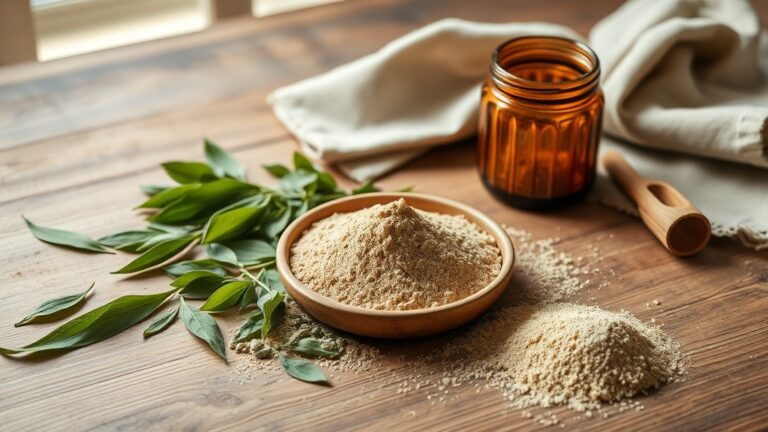
- Color is a clue. Good turmeric powder should look vibrant orange-yellow. If it looks dull or brownish, it’s probably lost some potency.
The same scrutiny applies to any other botanical you add to your golden milk. Before buying from a new vendor, check for third-party lab results, clear sourcing information, and a real return policy.
Building a Golden Milk Habit
A drink only helps if you actually make it regularly. A few practical tips:
- Pre-mix your spices. Combine turmeric, ginger, cinnamon, and cardamom in a batch and store it in a jar for quick use.
- Keep everything within reach. A small dedicated spot in your kitchen makes it easier to follow through.
- Start slow. Three or four cups a week is a reasonable starting point—no need to commit to daily right away.
- Pick a consistent time. Many people drink it in the evening to wind down, or in the afternoon as a pick-me-up.
- Pay attention to your own response. Some people feel more alert after golden milk, others feel more relaxed. Let that guide your timing.
Interest in foods and drinks tied to mood and mental wellness has been growing steadily worldwide, and golden milk sits right at that overlap of old tradition and current habits.
Mistakes That Undercut Golden Milk
A few common errors keep people from getting much out of golden milk:
- Leaving out the black pepper. Without it, most of the curcumin goes to waste.
- Overdoing the turmeric. More isn’t better here—too much can upset your stomach. Start with about half a teaspoon.
- Skipping the fat. Curcumin is fat-soluble, so some healthy fat is necessary for absorption.
- Boiling the milk. High heat can degrade some of the beneficial compounds and leave the texture chalky.
- Making it only occasionally. Any benefits tend to build with regular use, not sporadic cups.
Why This Old Recipe Still Matters
Golden milk isn’t just a trend that showed up recently—it’s a genuinely old recipe that happens to fit modern habits well. It’s a small example of how traditional remedies can hold up when people look closely at them, rather than being replaced outright by newer approaches.
Making a cup connects you, in a small way, to a very long history of people using the same plant for the same general reasons. It’s a simple habit, but it’s one with real staying power.
Frequently Asked Questions
How much golden milk should I drink daily?
Start with one cup three or four times a week. Many people move to a daily cup once they’re used to the taste and how it makes them feel.
When’s the best time to drink it?
Most people have it about 30 minutes before bed, or in the afternoon as a boost. Try both and see which suits you.
Can I make it without dairy?
Yes—coconut, almond, and oat milk all work well. Full-fat versions absorb curcumin better than reduced-fat ones.
Why does it need black pepper?
Piperine in black pepper can increase curcumin absorption dramatically. Without it, your body absorbs very little of turmeric’s active compounds.
Can I use fresh turmeric instead of powder?
Yes. About an inch of fresh turmeric root, grated or blended, works well and has a brighter flavor—though it stains more easily than the powder.
How long does it keep in the fridge?
Up to three days. Reheat gently and whisk it again before drinking, since the ingredients can separate.
Is it safe for kids?
Generally yes, in small amounts, with less turmeric and no botanical add-ins. Check with your pediatrician first if you’re unsure.
What if it upsets my stomach?
Cut back to about a quarter teaspoon of turmeric and always drink it with food. On an empty stomach, the spices can be a lot.
How do I find quality botanical add-ins?
Look for vendors that publish lab testing results and clear sourcing details, and check their return policy before you buy.