
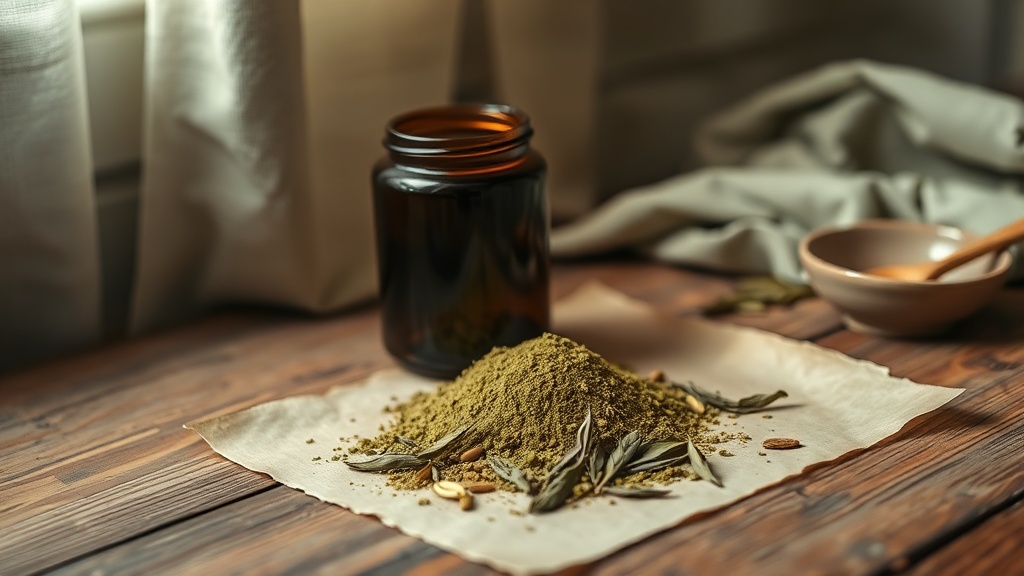
Kratom powder doesn’t last forever. Light, oxygen, heat, and moisture all speed up the breakdown of the alkaloids that make kratom effective in the first place. How long a batch stays potent comes down almost entirely to how it’s stored. This guide walks through why kratom degrades, what containers and conditions actually protect it, and how to tell when a batch has lost quality.
Mitragynine, kratom’s primary alkaloid, is sensitive to UV light, oxygen, temperatures above roughly 40°C (104°F), and excess humidity. Stored properly — in an airtight, opaque container, somewhere cool and dark — kratom powder can hold onto meaningful potency for one to two years. The four things that shorten shelf life (light, air, heat, moisture) are all things you can control at home. A lab-tested potency reading only tells you what you started with; storage decides how much of that you keep.
Why Does Kratom Degrade?
Kratom’s active compounds belong to a class of nitrogen-based molecules called terpene indole alkaloids, which are naturally prone to breaking down when exposed to the wrong conditions. Mitragynine, the main alkaloid, has chemical properties that point directly to which storage mistakes matter most.
Research characterizing mitragynine’s chemistry found it has a moderate lipophilicity — meaning it behaves more like a fat-soluble compound than a water-soluble one. That, combined with its alkaloid-rich structure, makes it vulnerable to a handful of specific degradation pathways:
- Oxidation. This is the main way kratom loses potency. Indole alkaloids react with oxygen in the air, especially when UV light is involved, and that reaction changes the molecule’s structure. It’s the same basic chemistry behind a sliced apple turning brown.
- UV exposure. Light — even indirect sunlight through a window — speeds up oxidation and can break chemical bonds within the alkaloid structure directly.
- Moisture. Mitragynine itself doesn’t dissolve easily in water, but humid air still creates a breeding ground for mold and bacteria, and can drive chemical breakdown through hydrolysis. Once relative humidity climbs above about 65%, microbial risk goes up sharply.
- Heat. Higher temperatures speed up virtually every chemical reaction, including degradation. Storage above 40°C — think hot cars, garages, or a shelf near the stove — can noticeably reduce alkaloid content within weeks rather than months.
The takeaway: kratom stored well degrades slowly and predictably. Kratom left in a clear bag on a sunny counter, or forgotten in a hot car, can lose real potency far faster than you’d expect.
How Long Does Kratom Actually Last?
There’s no formal shelf-life study on kratom powder specifically — most published research focuses on pharmacology rather than storage stability. What we have instead is a combination of known alkaloid chemistry, industry experience, and patterns reported by long-term users.
Based on what’s known about mitragynine’s stability, here’s a reasonable estimate of quality retention under good storage conditions:
| Timeframe | Storage Method | Expected Quality Retention | Notes |
|---|---|---|---|
| Up to 3 months | Original packaging, sealed, cool and dark | 90–100% — little to no detectable loss | Just keep it sealed and out of light |
| 3–12 months | Airtight glass or HDPE container, dark, room temperature | 80–95% — gradual decline, still effective | Move it out of the original bag; add a desiccant |
| 1–2 years | Vacuum-sealed mylar with an oxygen absorber, cool and dark | 70–85% — potency shift becomes noticeable toward the end | Good for bulk buys; check smell before use |
| 2+ years | Freezer-stored, vacuum-sealed, fully dry | 60–75% — real potency loss, higher microbial risk | Generally better to restock than push this far |
These numbers assume proper storage from the start. Kratom left in light, heat, or humidity degrades much faster, and these timelines shrink accordingly. Many regular users notice the first real dip in perceived strength somewhere around the 12–18 month mark, even with decent storage — and sooner if storage has been careless.
What’s the Best Container for Kratom?
Choosing the right container is probably the single biggest lever you have, since it controls both air exposure — the main driver of degradation — and light exposure. Here’s how common options stack up:
| Container | Airtight | Blocks Light | Resists Moisture | Best For |
|---|---|---|---|---|
| Vacuum-sealed mylar bag + oxygen absorber | Excellent | Excellent | Excellent | Long-term bulk storage (6+ months) |
| Dark glass jar, rubber-sealed lid | Good | Excellent (amber/cobalt glass) | Good | Daily-use supply (up to a year) |
| Clear glass jar, kept in a cabinet | Good | Poor if exposed to light | Good | Fine as long as it stays in the dark |
| Food-grade HDPE plastic container | Good | Good (opaque) | Good | Practical everyday choice |
| Resealable zip bag | Poor | Poor | Poor | Short-term only, under 4 weeks |
| Original sealed packaging | Good if heat-sealed | Good (opaque mylar) | Good | Fine for up to 3 months, unopened |
For most people, a good approach is simple: keep your everyday supply in a dark glass jar with a tight rubber seal (an amber pharmacy jar or a standard canning jar both work), and leave larger amounts vacuum-sealed in mylar until you’re ready to use them. Drop a food-grade silica gel packet into anything you’ll be opening regularly — every time you open a container, you let in fresh air and a bit of humidity.
Glass tends to beat plastic for long-term storage since it’s chemically inert and won’t leach anything into the powder over time. Food-grade HDPE plastic is a reasonable substitute if glass isn’t an option. One thing to avoid: reusing containers that previously held strongly scented items. Kratom’s fine, porous texture soaks up odors easily.
Where Should You Keep It?
Good storage location handles temperature and humidity, while a sealed container handles light and air. Together, they cover all four degradation factors.
| Factor | Ideal Range | What Happens With Too Much | How to Control It |
|---|---|---|---|
| Light (UV) | None — full dark | Speeds oxidation, can break alkaloid bonds directly | Opaque container plus a dark cabinet or drawer |
| Temperature | Under 25°C (77°F) | Faster degradation; condensation risk if temps swing | Interior cabinet, away from stove or sunlight |
| Humidity | Under 55% RH | Mold above ~65% RH, clumping, faster hydrolysis | Desiccant packets; avoid bathrooms and humid garages |
| Oxygen exposure | Minimal | Main driver of oxidation; every opening adds fresh oxygen | Open containers less often; use oxygen absorbers for bulk storage |
Good spots: a dark pantry shelf, an interior kitchen cabinet away from the stove, a closet shelf, or a dedicated drawer — anywhere with steady temperature, no light, and low humidity.
Bad spots: a countertop near a window, a car’s glove compartment, a bathroom cabinet (shower humidity), a garage, or anywhere that gets even a little direct sun during the day.
Storing Larger Quantities
Buying in bulk — a kilogram or more — is common among regular users who want a consistent supply from a batch they trust. Since quality can vary a lot between vendors and lots, it makes more sense to buy a tested batch you trust and store it well than to repeatedly gamble on new, unverified lots. The goal is to hold onto as much of the tested potency as possible.
For quantities over 250 grams meant to last more than three months, this approach works well:
- Split it into smaller portions — 100 to 250 grams each — before sealing anything. That way you only disturb one portion at a time, and the rest stays sealed and untouched.
- Vacuum-seal each portion in mylar (4–7 mil thickness gives a solid barrier against oxygen and moisture). Remove as much air as your sealer allows.
- Add an oxygen absorber to each bag — standard 100cc food-storage absorbers work well and are easy to find at food storage suppliers.
- Label each bag with the strain, purchase date, and tested alkaloid percentage, so you can track how it’s holding up over time.
- Store the sealed bags somewhere cool and dark — an interior cabinet, a storage box, or a chest freezer if you’re planning to hold it for over a year.
- Open bags quickly in humid climates — get in, take what you need, and reseal or transfer promptly to limit moisture exposure.
How to Tell If Kratom Has Gone Bad
Kratom doesn’t “expire” the way perishable food does — there’s no cliff edge where it suddenly becomes unsafe. Instead, it loses potency gradually, and if storage has been poor, it can develop microbial contamination. Here’s what to watch for.
Signs of alkaloid loss (weaker, but not unsafe):
- Your usual dose feels noticeably less effective
- Color has shifted from vivid green toward a duller brown-green or khaki tone
- Aroma has gone flat or papery instead of the fresh, earthy, slightly bitter green scent
- Less of the characteristic bitterness on the tongue
Signs of microbial contamination (don’t use it):
- Any visible mold — fuzzy growth, white patches, unusual spots
- A musty, sour, or fermented smell that doesn’t resemble plant material
- Clumping from moisture that doesn’t dry back out
- Insects or webbing (rare, but possible with poor storage)
Reputable vendors test batches for microbial contamination, heavy metals, and alkaloid content before selling them, which gives you a documented starting point. Everything that happens after purchase, though, depends on how you store it.
Does Refrigerating or Freezing Help?
Cold slows down chemical reactions, so refrigeration or freezing can extend shelf life — but it comes with a real risk: condensation. When cold powder is pulled out and hits room-temperature air, moisture forms on its surface almost immediately. That moisture can quickly create the exact humid conditions that cause mold and alkaloid breakdown — the opposite of what you’re trying to accomplish.
If you decide to refrigerate or freeze kratom, follow these rules closely:
- The container has to be fully airtight — vacuum-sealed mylar with a desiccant packet inside is best
- Let the sealed container return to room temperature before opening — usually 2–4 hours for a bag, longer for a bigger container
- Never put a partially used, opened portion back into cold storage
- Use a dedicated freezer-safe container or bag, ideally inside a mylar bag, away from strongly scented freezer foods
For most people going through their supply within 6–12 months, refrigeration or freezing adds hassle without much payoff. A dark cabinet, a solid airtight container, and a desiccant packet gets you most of the benefit without any condensation risk. Cold storage makes more sense for quantities you genuinely won’t use within a year.
How Storage Affects Potency Over Time
Potency loss isn’t a straight line — it stays fairly flat for the first few months, then the decline picks up speed as more alkaloids break down. That pattern is typical of oxidation reactions generally: the rate of breakdown depends on how much reactive material is left, so as alkaloids degrade, further degradation slows down somewhat.
How mitragynine is absorbed and how much reaches the bloodstream can vary quite a bit depending on the form and preparation of the kratom. Degradation from poor storage effectively changes what you’re consuming — a batch that tested at 1.5% mitragynine at purchase might read closer to 1.1–1.3% after a year of mediocre storage. That’s a 15–25% drop, which is enough to require a real dose adjustment to get the same effect — something that’s easy to miss if you don’t realize it’s happening.
In practice: if a dose that used to work well suddenly feels weaker, and nothing else in your routine has changed, check your storage before assuming you need a bigger dose.
Most regular kratom users go through their supply fairly quickly, using it daily or close to it — a pattern that mirrors traditional daily use in parts of Southeast Asia, where fresh or recently dried kratom has long been the norm. For people in that kind of routine, long-term storage loss usually isn’t the limiting factor — buying smaller amounts more often tends to work better than stockpiling and hoping storage carries you through. Mitragynine also clears the body fairly quickly, with a half-life of around 9 hours, which underscores that freshness at the time you use it matters more than how long you can keep a big batch on the shelf.
Final Thoughts
Kratom’s shelf life comes down to four controllable factors: light, air, heat, and moisture. An airtight, opaque container in a cool, dark spot handles most of the work, and a desiccant packet or oxygen absorber takes care of the rest. There’s no need for elaborate setups — just consistent habits and attention to how your kratom looks, smells, and performs over time.
Frequently Asked Questions
How long does kratom powder last if stored properly?
Under good conditions — airtight, opaque container, dark location, below 25°C, humidity under 55% — kratom powder can hold meaningful potency for one to two years, with the steepest decline usually happening between 12 and 24 months. Careless storage (light, heat, humidity) can cause noticeable degradation in as little as 3–6 months. There’s no hard expiration point; quality fades gradually. The best gauge is your own dose response — if you suddenly need a lot more for the same effect, storage is the likely culprit.
Can kratom go moldy?
Yes. Its fine, porous texture soaks up ambient moisture easily, and sustained humidity above roughly 65% creates conditions where mold and bacteria can take hold. This is most common in bathrooms, humid garages, or when condensation forms after temperature swings. Visible mold or a musty, off smell means the batch should be thrown out entirely — mold produces toxins that drying won’t remove. Don’t try to salvage it by scooping out the affected part.
What’s the best container for kratom?
For everyday supplies you’ll use within 3–6 months: a dark glass jar with a rubber-sealed lid, plus a silica gel desiccant packet inside. For bulk storage beyond 6 months: vacuum-sealed mylar bags (4–7 mil) with an oxygen absorber in each one. Mylar offers the most complete protection against light, air, and moisture at once. Avoid clear jars, zip bags for anything longer than a few weeks, and containers that previously held strong-smelling foods.
Should I keep kratom in the refrigerator?
Generally, no — the condensation risk when taking it back out usually outweighs any benefit for typical users. Kept at room temperature in a good airtight, dark container, kratom holds up well for one to two years without refrigeration. If you have a large amount (500g or more) that you won’t touch for over a year, and you’re disciplined about letting it warm up before opening, refrigeration can help modestly. For most people, a solid container in a cool, dark cabinet is simpler and just as effective.
Can you freeze kratom?
Yes, with care. It needs to be vacuum-sealed and fully airtight before going into the freezer, and it needs to warm back up to room temperature — at least 2–4 hours — before you open it, to avoid condensation forming inside. Opening cold powder to warm air causes moisture to form almost instantly. Done correctly, freezing can extend shelf life past two years. Done carelessly, it can actually speed up moisture-related decay while giving you a false sense of security.
Does kratom expire?
Not in a strict sense. It loses potency gradually rather than becoming unsafe on a set date. Kratom that’s simply aged, without any mold, is weaker — not toxic. Whether it’s “expired” for your purposes is really about whether your usual dose still works. Mold or bacterial contamination from poor storage is a separate issue, and that kratom shouldn’t be used.
Why does my kratom smell different?
Fresh, well-processed kratom has an earthy, faintly bitter green smell, similar to fresh tea leaves. A flat or papery scent usually means the alkaloids have started breaking down. A musty, sour, or clearly off smell points to moisture exposure and possible microbial activity — check closely for visual changes and discard if you see any.
Does strain type affect shelf life?
Not much directly — degradation depends on alkaloid chemistry and storage conditions, not the vein color or region a batch came from. But starting potency matters indirectly: a batch that tested higher in mitragynine will stay effective at your usual dose longer than a lower-potency batch, even if both lose the same percentage over time. That’s part of why knowing your starting alkaloid percentage is useful — it helps you anticipate when a decline will start to show up.
Can I store kratom with other supplements?
Yes, as long as each is in its own sealed container. Don’t share a container between kratom and strongly scented supplements like fish oil or turmeric — kratom absorbs odors easily. Sealed containers sitting on the same shelf are fine. The concern is smell transfer, not chemical interaction. If you’re using desiccant packets, give each container its own rather than sharing one across a shelf.
How do I know if my kratom has lost potency from poor storage?
The clearest sign is a change in effect at your usual dose, with nothing else in your routine different. Color shifting toward dull brown-green and a flatter aroma both support that conclusion. If you know the alkaloid percentage from when you bought it, that’s your baseline — current potency will sit somewhere below that number depending on how it’s been stored and how much time has passed.