



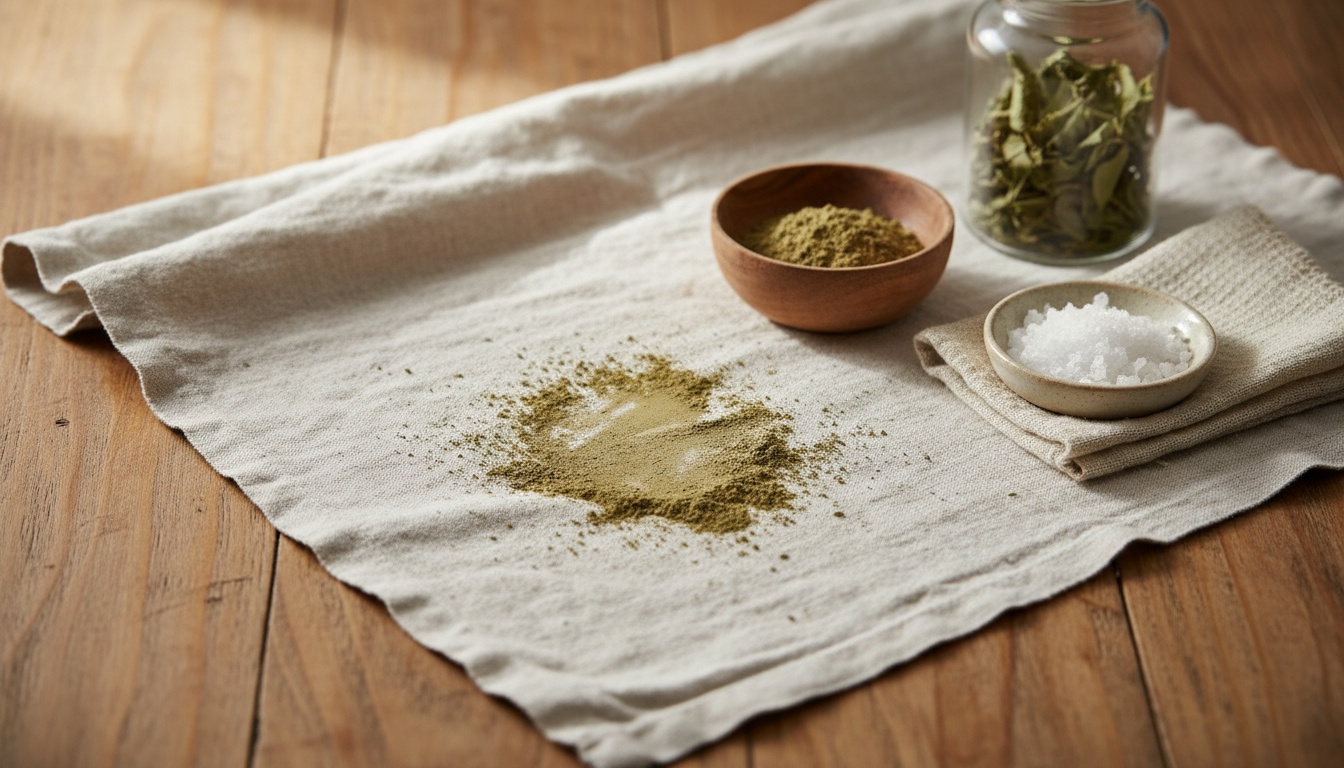
The powder lands on your shirt before you notice it’s happening. One second you’re measuring a dose, the next you’re looking at a brown smear that seems set for good. Water doesn’t help. Scrubbing doesn’t help. And that’s not because you’re doing something wrong — it’s because of what’s actually in the powder.
Why These Stains Behave Differently
Kratom powder is loaded with tannins, the same plant compounds responsible for stubborn coffee and red wine stains. Once tannins meet moisture, they dissolve and work their way into fabric fibers, forming a chemical bond that ordinary detergent can’t break.
It’s the same reason a coffee mug develops that brown ring inside it — that’s tannin residue clinging to a surface, and plain washing won’t lift it. People have used these compounds to dye textiles since ancient times precisely because they bond so well with fibers. That’s great news for dye-makers and bad news for anyone who’s just spilled kratom powder on a favorite shirt.
The discoloration isn’t sitting on top of the fabric. It’s locked into it at a molecular level, which means the usual approach — rub and rinse — won’t cut it.
Mistakes That Make the Stain Worse
A few instinctive reactions actually make things harder to fix.
Reaching for water right away is one of them. Wetting kratom powder causes it to set into the fibers instead of brushing away cleanly. What could have been a quick fix turns into a stain that’s already bonded to the fabric.
Rubbing does similar damage. Friction pushes powder deeper into the weave and spreads it further instead of lifting it out. Every scrubbing motion just drives more of it in.
And skip the salt. Despite the old trick for wine spills, salt doesn’t remove tannin stains — it sets them. Conservation experts, including those at the Smithsonian’s Museum Conservation Institute, specifically caution against using salt on plant-based, coffee, or wine stains.
Prevention Beats Cleanup
The easiest stain to deal with is the one that never happens.
Measure and transfer your kratom powder over a sink. This one habit prevents more accidents than any stain remover on the market. Use level scoops rather than heaping ones, and slow down, especially if you’re tired or distracted.
Wearing an older shirt during your routine helps too — designate one if you go through this often. Store your kratom in a container with a lid that’s easy to open and close; fumbling with awkward packaging while holding a full scoop is exactly how spills happen.
Keep a small brush near your storage container. If powder does land on fabric, brushing it off before any moisture touches it can save you a lot of cleanup later.
Three Methods That Actually Work
If prevention didn’t happen in time, here’s what does work.
Vinegar and Dish Soap
Mix equal parts white vinegar and water, then add a few drops of dish soap. The acid in the vinegar breaks down the tannin bonds while the soap helps lift the loosened particles away.
Dampen a clean cloth with the mixture and blot the stain — don’t rub — working from the outer edge inward. You should see the stain start transferring onto the cloth as the vinegar does its work. Switch to a clean section of cloth as needed and keep blotting until no more color comes off.
Rinse with cool water afterward and launder as usual. This method has stuck around for generations because the chemistry behind it is simple: acid breaks the bond, and the stain rinses away.
Enzyme-Based Pet Stain Removers
It sounds odd, but pet stain removers handle kratom powder well. Many contain cellulase enzymes, which are built to break down organic, plant-based material — exactly what kratom powder is made of.
Apply according to the product’s instructions and give it time to sit. The enzymes need that time to break down the tannin bonds. Products like Kids n Pets Instant All-Purpose Stain and Odor Remover come up often in kratom user communities for this reason.
Once the sitting time is up, blot the area and wash normally.
OxiClean for Stubborn or Older Stains
For a stain that’s already set or been sitting a while, you need something stronger. In independent testing, OxiClean Versatile Stain Remover outperformed several competing brands across a range of stain types, including coffee — a close chemical cousin to kratom stains.
OxiClean works through an oxygen-based reaction. Mixed with water, it releases oxygen that breaks stains down at the molecular level as long as the fabric stays wet and submerged.
Dissolve it in warm water per the package directions, submerge the stained item fully, and let it soak anywhere from one to six hours depending on how old the stain is. This process actually breaks the stain apart rather than just hiding it with brighteners.
It costs more than a vinegar solution, but for a valuable garment or an old, stubborn stain, it’s usually worth it.
Why Acting Fast Matters
Fresh stains come out far more easily than old ones. The longer tannins sit on fabric, the more thoroughly they bond with the fibers — which is why professional cleaners always prefer treating a stain before it’s had time to set.
A stain that’s a day old is much easier to manage than one that’s two weeks old. Coffee stains, which share the same tannin chemistry, can become nearly impossible to remove if left untreated long enough. Kratom stains follow the same pattern. Treat it the same day if you can — every hour that passes gives the tannins more time to bond.
Treating Different Fabrics
Not every fabric handles stain removal the same way.
Cotton and cotton blends are the most forgiving — all three methods above work well, and you can be fairly aggressive without worrying about damage.
Synthetic fabrics like polyester need a gentler touch. Test any solution on a hidden spot first, since some synthetics don’t respond well to acid or long soaking.
Delicate fabrics — silk, wool — are best left to a professional cleaner. The methods that work fine on cotton can damage these materials, so don’t risk a valuable garment on a DIY fix.
Always check the care label before you start. Removing the stain doesn’t help much if the fabric is ruined in the process.
What to Keep on Hand
A few basics make quick response much easier:
- White vinegar and dish soap — cheap, gentle, and effective on fresh stains
- An enzyme-based pet stain remover — good for stains a bit past the “fresh” stage
- OxiClean Versatile Stain Remover — your heavy-duty option for valuable clothing or older stains
- Clean white cloths — colored cloths can transfer dye, and white ones show you how much stain is lifting
- A soft brush — for removing dry powder before it ever becomes a stain
A Normal Part of Using Powder
Spills happen. Anyone measuring fine botanical powder is going to have an accident sooner or later, especially when transferring between containers. The goal isn’t avoiding every spill — it’s knowing what to do when one happens.
At Amazing Botanicals, we sell kratom powder and capsules, and we know firsthand that working with fine powder comes with a few practical headaches. Understanding why kratom stains and how to treat it makes the whole experience less frustrating.
The same tannins that cause the stain are what make it treatable once you know the right approach. Keep a few supplies on hand, work carefully, and don’t panic over the occasional spill — you now know exactly what to do about it.
Frequently Asked Questions
Can I use bleach on kratom stains?
Only on white cotton. Bleach can damage colored fabrics and synthetics, and it’s rarely necessary — vinegar or OxiClean usually do the job without the risk.
Will a regular wash cycle get the stain out?
Rarely. Tannin stains need pre-treatment first. Washing untreated fabric often sets the stain permanently instead of removing it.
What if the stain is already old and set in?
Try an OxiClean soak, extending the soak time up to six hours. Very old stains may need more than one round of treatment, or a trip to a professional cleaner.
Should I use hot or cold water?
Cold. Hot water can drive tannin stains deeper into the fabric. Stick with cool or cold water for blotting and rinsing, then follow the garment’s care instructions for washing.
How do I keep this from happening again?
Brush off dry powder immediately, before it touches any moisture. Measure over a sink, use level scoops, and wear clothes you don’t mind risking. Prevention will always be easier than removal.


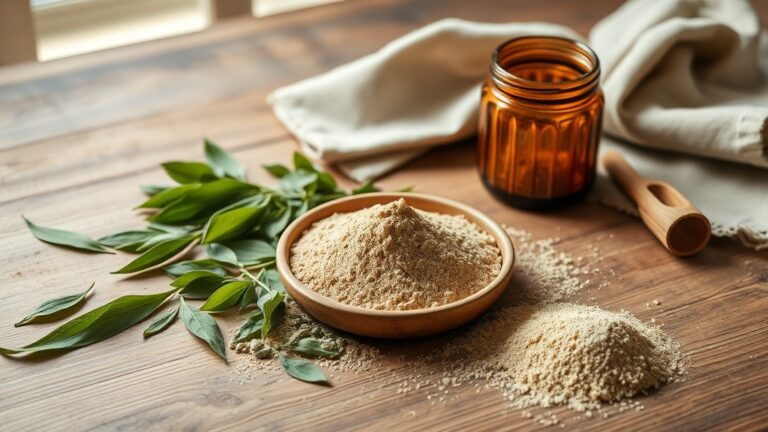
[…] tea is made by simmering kratom powder or dried leaf in water, straining out the plant matter, and drinking what’s left. It’s the […]