


Ordering seeds online and growing your own kratom sounds straightforward — plant, water, wait, harvest. No more shipping delays, no more restocking online orders.
In practice, it’s a lot more like attempting a difficult climb than tending a garden. People do pull it off, but most who try badly underestimate the effort, time, and money involved. Here’s what actually happens if you try to grow kratom in your own home.
Getting a Viable Plant Is Already Hard
Before you get anywhere near “growing,” you have to deal with propagation — and that’s where most attempts fail.
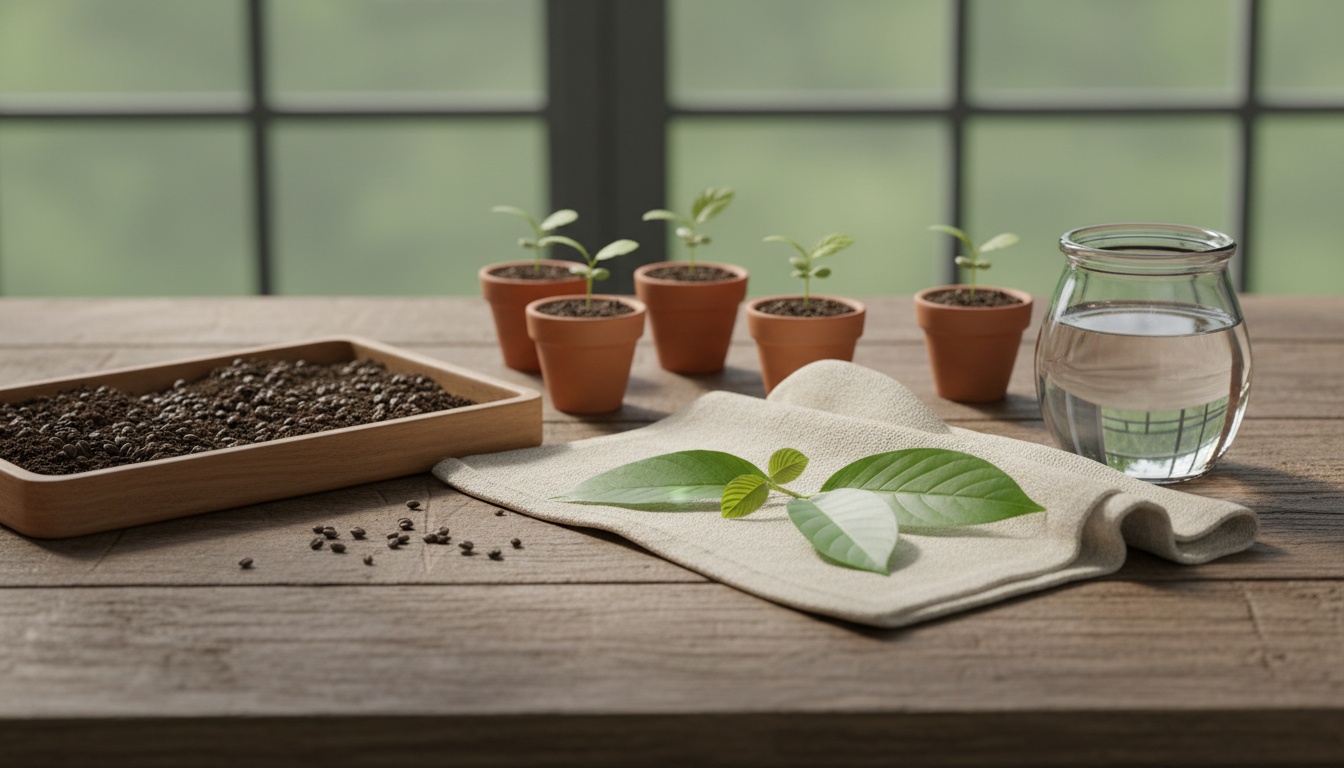
Kratom seeds don’t stay viable long. They start losing their ability to germinate within days of being harvested, so by the time online seeds reach your mailbox, many are already dead weight.
The germination numbers back this up. Fresh seeds shipped from Southeast Asia typically germinate at rates of just 5-20%. Seeds that have been dried for commercial sale often do worse. Realistically, you might plant 20 seeds and get one sprout — and that sprout still has to survive the seedling stage.
Cuttings or clones improve your chances, but sourcing them reliably in North America is difficult. Growers who have healthy clones tend to keep them close.
In short: many people never even get a living plant to work with.
Recreating a Rainforest Indoors
Say you beat the odds and end up with a healthy seedling. The environment you can offer it matters just as much as getting there in the first place.
Kratom comes from the tropical forests of Southeast Asia, where humidity sits at 80-100%, temperatures stay in the 75-90°F range, and rainfall is constant. These aren’t preferences — they’re requirements for the plant’s survival and for developing the alkaloid content that makes kratom worth growing in the first place.
Your living room doesn’t come close. Most U.S. homes sit around 40-50% humidity with temperatures near 68°F.
Closing that gap takes real equipment: humidifiers running around the clock, heating systems that hold tropical temperatures year-round, grow lights running 12-18 hours a day, proper drainage, and tools to monitor all of it. Setup costs alone can run into the hundreds of dollars, and the electricity bill keeps adding up month after month — for years, not weeks.
Temperature Swings Punish Mistakes
One detail a lot of grow guides skip over: kratom trees are unusually sensitive to temperature changes.
Growth slows once temperatures dip below 68°F. Sustained cold near 50°F can kill the plant outright, and even a short dip below 60°F can push it into dormancy or stunt its growth. A single cold night by a drafty window can undo months of careful care.
That means you can’t just set up your equipment and walk away. You’re checking conditions daily, adjusting as needed, and hoping nothing breaks down during a cold snap. It’s closer to maintaining a tropical aquarium than caring for a typical houseplant.
The Wait Is Longer Than You’d Guess
Suppose everything goes right — good germination, ideal conditions, no cold-weather accidents. Now you wait.
Kratom trees generally need 3-5 years before their leaves reach a maturity level with usable alkaloid content. Some growers say trees need to hit 10-20 feet in height and grow for at least two years before the leaves are worth harvesting at all.
That’s years of daily watering, climate monitoring, and space management before you get a single usable leaf. And during that entire stretch, you’re still buying kratom commercially, because your own tree isn’t producing anything yet.
Your Plant Won’t Stay Small
That little seedling has big plans. In the wild, mature kratom trees reach 50-80 feet. Indoors, growth will be limited, but the plant still gets big enough to become a real space problem over time.
Expect to prune regularly, manage an expanding root system, and eventually move the plant into larger containers — or build out dedicated greenhouse space. Either way, the space commitment grows right along with the tree.
You Won’t Know the Quality Until It’s Too Late
This is the part that stings after years of effort: even a fully mature, healthy tree offers no guarantee about the quality of its leaves.
Kratom’s potency depends heavily on soil, climate, and growing conditions — not just genetics. Research comparing samples has found major differences based on where the plant is grown. One study found kratom grown in the South-Central U.S. had roughly seven times less mitragynine than samples from Southeast Asia, despite being the same species.
You won’t know what you’ve actually grown until years into the process — after the money, time, and effort are already spent. There’s no do-over if the alkaloid content falls short of what you hoped for.
Kratom grown wild in Southeast Asia benefits from ideal native conditions and generations of local cultivation knowledge. Recreating that at home is possible in theory. In practice, it’s a much bigger challenge than it sounds.
Check the Law Before You Start
Legality is not the same everywhere, and it’s worth confirming before you spend a dime on seeds or equipment.
Kratom is currently banned in several states, including Alabama, Arkansas, Indiana, Rhode Island, Vermont, and Wisconsin. Some cities have their own restrictions on top of that — Sarasota, Florida, is one example.
Growing kratom somewhere it’s banned isn’t worth the legal risk. And even in places where it’s currently legal, laws can shift. A multi-year growing project means betting that the legal landscape stays favorable the whole time.
Weighing the Reality
Can you grow kratom at home? Technically, yes. Should you? That depends on what you’re actually after.
If you love tropical plant cultivation, have experience with demanding species, and are fine committing years to a project with an uncertain payoff, this might appeal to you.
But if your goal is simply having a dependable kratom supply, the math rarely works out. You’re looking at real upfront costs for climate equipment, ongoing energy bills, years of daily upkeep, growing space demands, uncertain alkaloid content, and legal risk — all before you harvest a single usable leaf.
Compare that to buying lab-tested, wild-harvested kratom from an established supplier. Products made in GMP-certified facilities, verified by third-party testing for potency and purity, are available right away — no years-long wait required. Whether you prefer powder, capsules, extracts, or tea, commercial kratom gives you consistent quality without the equipment, the daily maintenance, or the guesswork.
There’s something appealing about growing your own supply. But kratom’s specific needs create real obstacles, and for most people, buying from a trusted source is simply the more practical route.
If You Still Want to Try
Some readers will get through all of this and still want to give it a shot. That’s fair.
If that’s you, go in with realistic expectations. Budget for equipment breaking down. Expect some plants to die. Keep a backup supply source lined up for the years before any harvest. Look into your local laws carefully before you start. Find online communities of kratom growers — their firsthand experience is worth more than most guides.
Start with just one or two plants instead of going all in right away. Keep notes on what works and what doesn’t. And accept that after years of effort, the results might still not match what you hoped for.
Growing kratom at home is doable, but it demands patience, money, and a clear-eyed view of what you’re taking on. For most people, buying from an established, trustworthy supplier remains the simpler path — sometimes it’s smarter to let someone else handle the hard part.
Frequently Asked Questions
Can you grow kratom at home?
Yes, technically. But it’s genuinely difficult for most people because of kratom’s specific tropical requirements.
What conditions does kratom need to grow well?
A warm, humid, tropical setup with stable temperatures around 75-90°F, high humidity, rich well-draining soil, and constant moisture — conditions most homes don’t naturally have.
Why is germinating kratom seeds so hard?
Seeds lose viability fast, often within days of harvest, so many are already dead by the time they arrive. Germination rates commonly fall below 20%.
How long before you can harvest usable leaves?
Even under good conditions, expect 3-5 years before the plant matures enough to produce leaves with meaningful alkaloid content.
Are there legal issues with growing kratom?
Yes. Legality varies by state and even by city. Several states currently ban it outright, so check your local laws before starting.