

After a long, stressful day, finding a natural way to wind down isn’t always easy. Red vein kratom has been part of relaxation routines in Southeast Asia for generations, but not every red strain works the same way. Where the plant is grown, how it’s harvested, and how it’s processed all shape the experience.
If you’re exploring plant-based options for unwinding, here are five red strains commonly linked to calming effects — and what makes each one different.
Why Red Vein Kratom Stands Apart
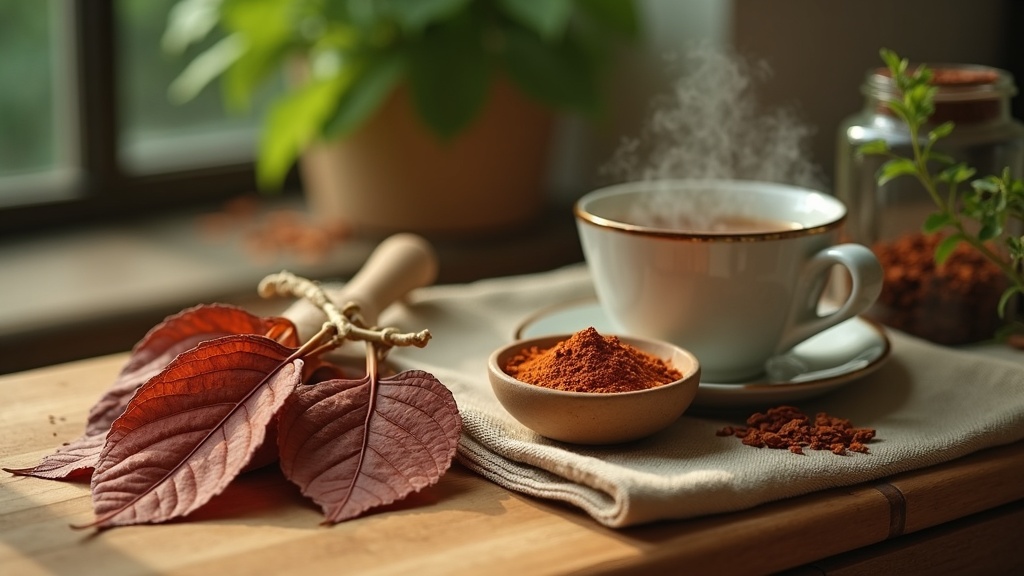
Red vein kratom takes its name from the reddish color of its leaf veins at harvest time. These leaves are left on the tree longer than green or white varieties, giving them extra time in the sun to mature. That longer growing window is thought to change the plant’s alkaloid makeup in ways many people associate with calm and relaxation.
Traditionally, laborers in Southeast Asia chewed the leaves or brewed them into tea in the evenings after physically demanding work. That pattern of evening use lines up with how people describe red strains today — as something reached for at the end of the day rather than the start.
Still, no two red strains are identical. Growing region, soil, and processing method can all produce noticeably different results.
1. Red Horn Kratom
Red Horn is somewhat unusual. It comes from trees with spiky, horn-shaped leaves, a trait that sets it apart both visually and, some believe, in its alkaloid makeup.
Grown mainly in Borneo, Red Horn is often described as delivering clean, uncomplicated relaxation — physical ease paired with a quiet mind, without a lot of extra intensity.
For anyone new to kratom, or those who simply prefer something straightforward, Red Horn is a reasonable place to start.
2. Red Thai Kratom
Thailand’s long history with kratom cultivation shows in Red Thai, a strain shaped by generations of farming refinement. Many consider it one of the more balanced red options available.
Users often describe Red Thai as relaxing without feeling heavy or sedating. It’s the kind of strain that can help take the edge off an evening without making it hard to finish a task or spend time with family.
If the goal is to relax while staying present and functional, Red Thai tends to hit that middle ground.
3. Red Bentuangie Kratom
Red Bentuangie takes an extra step: after harvest, the leaves go through a fermentation process before drying. This method, which originated in Indonesia’s Bentuangie region, is believed to alter the alkaloid composition in ways that add depth to the effects.
Many users find Red Bentuangie stronger than typical red strains, with the fermentation process seemingly deepening the relaxation it produces.
For those who’ve tried other red veins and found them too mild, Red Bentuangie is worth a look.
4. Red Malay Kratom
Grown in Malaysia’s humid rainforests, Red Malay benefits from rich soil and a tropical climate that many say produce a smooth, balanced strain.
What distinguishes Red Malay is its reputation for addressing both mental and physical tension at once. Users often describe feeling calm in mind while also noticing relief from physical tightness or discomfort — a combination that appeals to people dealing with stress on more than one front.
If stress shows up both in your head and your body, Red Malay’s broader profile may be a good match.
5. Red Kali Kratom
Red Kali comes from Kalimantan, a dense rainforest region of Borneo known for producing some of the more potent kratom varieties. The area’s mineral-rich soil is thought to contribute to a fuller alkaloid profile.
People often turn to Red Kali when they want deep, thorough relaxation — the kind that addresses both mental tension and physical discomfort. It’s frequently the choice for evenings when someone wants to fully switch off.
Experienced users, or anyone seeking more substantial effects, may find Red Kali delivers the depth they’re after.
Matching a Strain to Your Needs
The right choice comes down to what you’re trying to accomplish.
Want something simple and reliable? Red Horn offers clean relaxation without much complexity. Need to unwind but stay functional? Red Thai strikes that balance. Looking for something stronger? Red Bentuangie’s fermentation process adds extra depth.
If stress hits you both mentally and physically, Red Malay’s dual effect may serve you better. And for deep, end-of-day relaxation, Red Kali is often the strain people reach for.
Quality Matters as Much as Strain Choice
Picking the right strain only gets you so far — quality determines the rest of the experience.
At Amazing Botanicals, every batch is lab-tested for purity and potency. Our kratom is wild-harvested from trusted farms in Indonesia and processed in AKA GMP-certified facilities. All five strains above are available in powder, capsule, and extract form, so you can choose the format that fits your routine.
Whether you’re new to kratom or have used it for years, you’ll find transparent sourcing, independent lab testing, and consistent quality — no fillers, no shortcuts.
Frequently Asked Questions
What’s the best red strain for beginners?
Red Horn and Red Thai are generally recommended for newcomers, thanks to their balanced, predictable effects. Start with a small amount and see how your body responds.
Can red kratom be used during the day?
It can, but red strains are typically linked to relaxation, which may not suit daytime productivity. Red Thai is the most balanced pick if you want mild calm without heavy sedation.
How do I pick the right strain for me?
Think about what you need. For gentle relaxation, try Red Thai or Red Horn. For stronger effects, look at Red Bentuangie or Red Kali. If you’re dealing with both mental and physical tension, Red Malay may be the better fit.
Is red kratom lab-tested?
At Amazing Botanicals, yes — every batch goes through third-party testing for purity and potency. Always choose vendors who are transparent about testing and quality control.
How long before effects kick in?
Most people notice effects within 20 to 40 minutes, though timing can vary based on metabolism, whether you’ve eaten, and which form you’re using.