


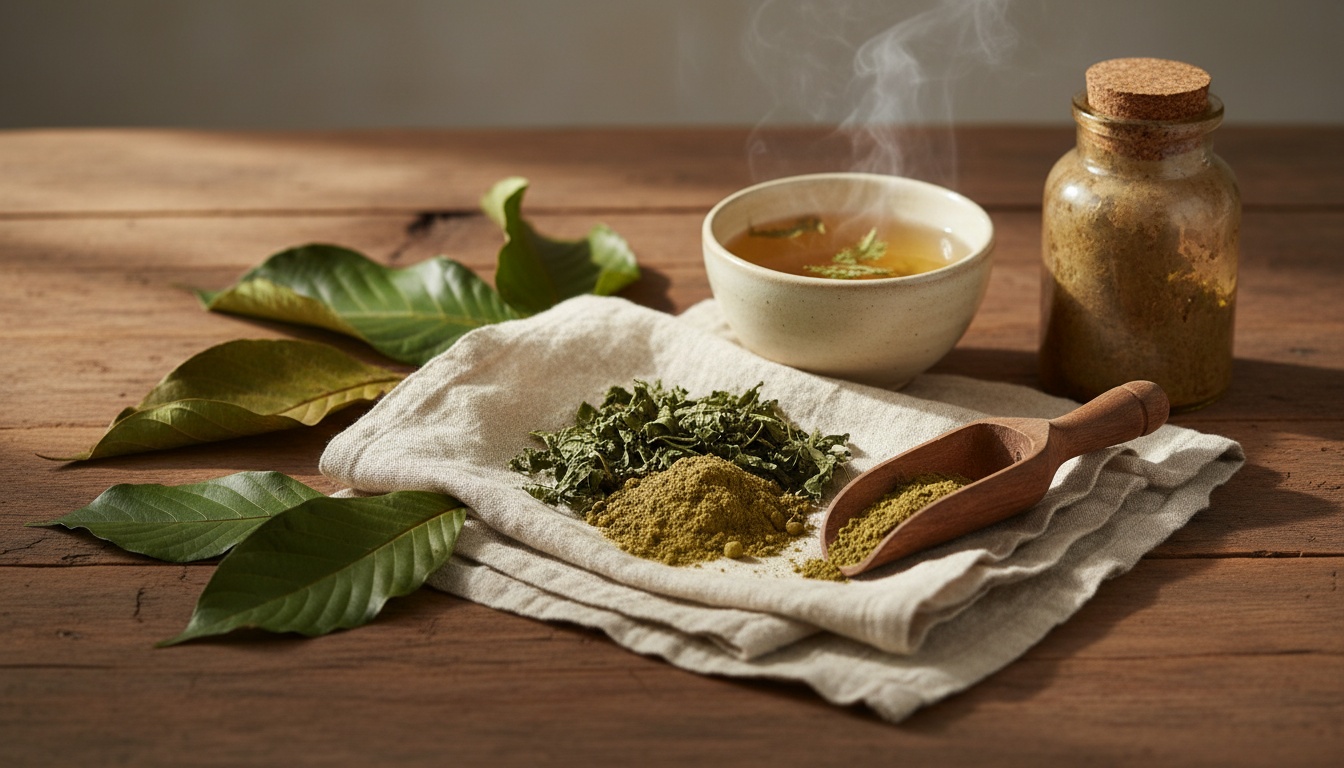
Interest in plant-based wellness has moved well past niche territory. Industry research shows that 45% of consumers now pay closer attention to ingredients that support their health, a shift that has pushed botanicals like kratom into mainstream conversation.
That popularity has a downside. As demand rises, so does the number of low-quality products flooding the market. For anyone shopping for kratom, this creates a real challenge: how do you tell a carefully made product from one that’s just well-marketed? The answer has less to do with labels and more to do with what happens long before a product reaches a shelf.
What Happens Before the Product Reaches You
Every batch of kratom has a history — where it grew, when it was harvested, how it was processed, and whether it was tested. That history is what actually determines quality, regardless of what the packaging claims.
Kratom comes from the Mitragyna speciosa tree, native to Southeast Asia and cultivated there for generations. Growing conditions, harvest timing, and processing method all shape the final alkaloid content. Wild-harvested kratom, sourced correctly, can offer an alkaloid profile that mass-produced crops simply don’t match.
The catch: none of that matters if the product hasn’t been tested. Without lab verification, there’s no real way to know what’s actually in the package.
The Testing Problem Nobody Talks About
Plenty of kratom sellers talk about quality. Far fewer back it up with independent lab results. This gap — between marketing claims and actual verification — is one of the biggest issues in the industry right now.
Real quality control means third-party testing that confirms two things: the presence of the alkaloids that make kratom effective, and the absence of heavy metals, contaminants, or other adulterants. This isn’t just a safety issue. It affects whether the product works the way people expect.
A Johns Hopkins survey of more than 2,700 kratom users found that 91% take it to manage physical discomfort, and most respondents were educated adults who considered it a useful natural option. But that kind of consistent experience only happens with a product that’s pure and correctly identified. Skip the testing, and results become unpredictable — or worse.
Strain Names Don’t Tell the Whole Story
Red, green, white, yellow — kratom’s color-coded strain system sounds straightforward, but it often causes more confusion than it clears up.
Red vein kratom, for example, is known for higher levels of relaxing compounds like 7-hydroxymitragynine and is commonly used for its calming, pain-relieving qualities without heavy sedation — useful for people dealing with tension that flares up with weather changes. Green strains tend to offer a more balanced alkaloid mix, while white strains are typically linked to alertness and energy.
Here’s the problem: those distinctions only matter if the product actually contains what the label says. Some kratom marketed under a specific strain name doesn’t match its advertised alkaloid profile at all. That’s why strain verification, not just strain naming, should factor into any buying decision.
Why GMP Certification Matters
Good Manufacturing Practices (GMP) are the industry benchmark for processing consistency, purity, and safety. Facilities that operate under the American Kratom Association’s GMP Certification Program follow strict guidelines covering the entire production process.
For kratom, GMP certification typically covers:
- Sanitized, properly maintained equipment
- Processing methods that protect alkaloid content
- Quality checks at multiple points in production
- Full traceability from harvest to finished product
- Storage conditions that prevent degradation from heat or moisture
A product from a GMP-certified facility has documentation behind every stage of production, which meaningfully raises the odds that what’s inside the package is both safe and consistent. A lot of kratom on the market today comes from facilities with none of these controls in place.
Why Direct Sourcing Matters
Testing and certification matter, but sourcing is arguably just as important. When a company buys directly from farmers in Indonesia or other growing regions, rather than through several layers of distributors, it can actually verify:
- The correct plant species and variety
- Harvest timing that captures peak alkaloid levels
- Processing methods that preserve the plant’s natural properties
- Fair treatment of workers and sustainable harvesting practices
Direct relationships also create feedback loops — harvesters learn what buyers consider premium material and adjust accordingly. That kind of collaboration doesn’t happen in a bulk-purchase supply chain, where a product might pass through several hands before it ever reaches a customer.
How to Spot a Genuinely Good Product
Once you know what to look for, evaluating kratom gets a lot simpler:
- Lab results you can actually see. Reputable sellers publish batch-specific, third-party test results covering both alkaloid content and contaminant screening.
- Clear sourcing information. “Sourced from Southeast Asia” isn’t enough. Look for specifics — which region, which growers, what relationship the company has with them.
- GMP certification. Not every good product comes from a certified facility, but certification is a strong signal of consistent processing standards.
- Education instead of hype. Companies focused on informing customers, rather than making bold wellness claims (which violate FDA guidelines, by the way), tend to operate with more integrity.
- Batch-to-batch consistency. If color, texture, or effects swing wildly between purchases, quality control is probably lacking.
Where Botanical Quality Standards Are Headed
As botanicals keep gaining mainstream acceptance, quality expectations are only going to climb. Consumer education is driving much of that shift — people are getting better at spotting the difference between a marketing claim and an actual quality indicator.
Some of the more established companies in this space are already ahead of the curve, investing in stronger testing programs, clearer supply chains, and more honest communication with customers. That shift benefits everyone: customers get products that actually work as intended, responsible companies get recognized for doing things right, and the industry as a whole builds more credibility.
Making Smarter Choices as a Buyer
Knowing what actually drives quality changes how you shop. Instead of judging a product by its price tag or its marketing copy, you can look at the things that genuinely affect your experience — sourcing, testing, and processing standards.
That distinction matters a lot in the kratom market specifically, where quality still varies enormously and not every seller is transparent about how their product is made. Choosing companies that take sourcing and testing seriously isn’t just about a better personal experience — it’s also a vote for the parts of the industry actually trying to raise standards.
The companies worth paying attention to aren’t necessarily the ones with the catchiest strain names or the biggest marketing budgets. They’re the ones doing the less visible work — building real relationships with growers, running thorough lab tests, and being upfront about what’s actually in their products. In the end, what’s printed on the label matters far less than what’s actually inside it.
Common Questions
What is kratom, and how does it fit into a wellness routine?
Kratom is a botanical supplement from the Mitragyna speciosa tree, traditionally used for energy, mood support, and relaxation. Quality and consistency matter more than dosage — good sourcing and testing help ensure the effects stay reliable throughout the year.
Why does kratom quality matter so much?
Quality affects potency, safety, and consistency. Well-tested kratom, especially from GMP-certified facilities, delivers predictable results. Poorly made products can vary wildly in alkaloid content or contain contaminants.
What should I check before buying kratom?
Look for independent lab results, clear information about sourcing, GMP certification, and consistency between batches. These details help confirm that what’s on the label matches what’s in the package.
Do different kratom strains actually behave differently?
Traditionally, yes — red strains lean toward relaxation, green strains offer more balance, and white strains are associated with energy and focus. These differences come down to alkaloid composition, so it’s worth comparing strains rather than relying on color names alone.
Do seasonal or environmental factors affect kratom quality?
Yes. Harvest timing, climate, and soil conditions all influence alkaloid content, which is another reason sourcing and harvest transparency matter for getting a consistent product year-round.