

Kratom prices swing wildly — anywhere from $20 to $200 per kilogram. That gap isn’t random. It reflects real differences in how the leaf was grown, dried, and tested before it ever reached a shelf, and most buyers never see those steps.
Consider this: a meaningful share of kratom entering the U.S., estimated between 15 and 25 percent, fails basic microbial testing. Cheap powder can carry bacteria levels that would need sterilization before it’s safe to consume. So the price tag isn’t just about branding or markup — it often tells you something about what happened long before the product landed in a bag.
Wild-Harvested vs. Industrial Farming
The best kratom comes from mature trees growing in Indonesian forests, in mineral-rich soil, without pesticides or synthetic fertilizer. Left alone to mature, these trees build up alkaloid levels that younger, farmed trees simply don’t reach.
Industrial operations work differently. They’re built for volume, not peak potency, harvesting young trees year-round regardless of the plant’s natural alkaloid cycle. That shows up clearly in lab testing — more leaf, less punch.
Wild-harvesting is slower and more selective. Collectors pick mature leaves by hand during the seasons when alkaloid content peaks. It’s a smaller yield, but a stronger, more consistent product — and that labor and selectivity is part of what you’re paying for.
Processing Makes or Breaks Quality
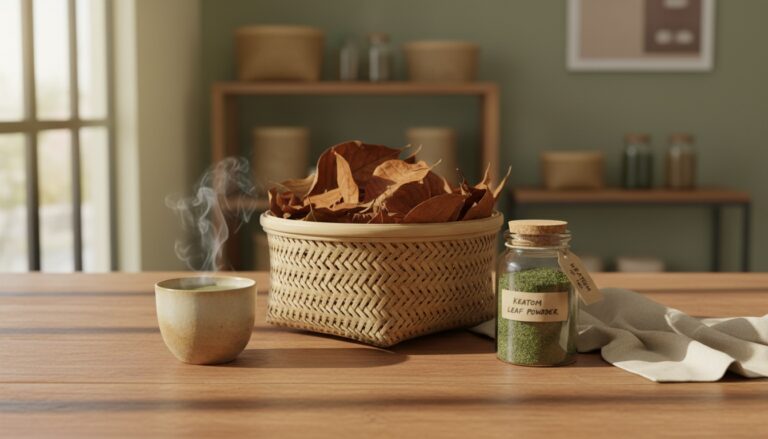
Good kratom gets dried indoors, away from direct sun, under controlled temperature and humidity. This protects the alkaloids and keeps the leaf clean.
Cutting costs usually means drying outdoors instead. Sunlight breaks down alkaloids, and open-air drying invites dust, insects, and weather damage — none of which improve the final product.
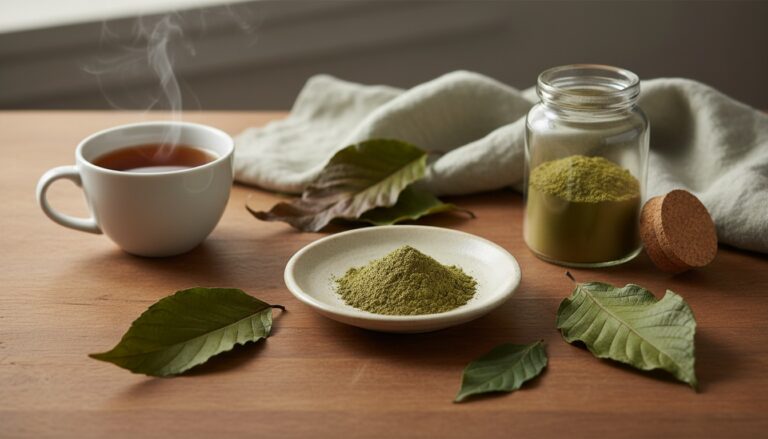
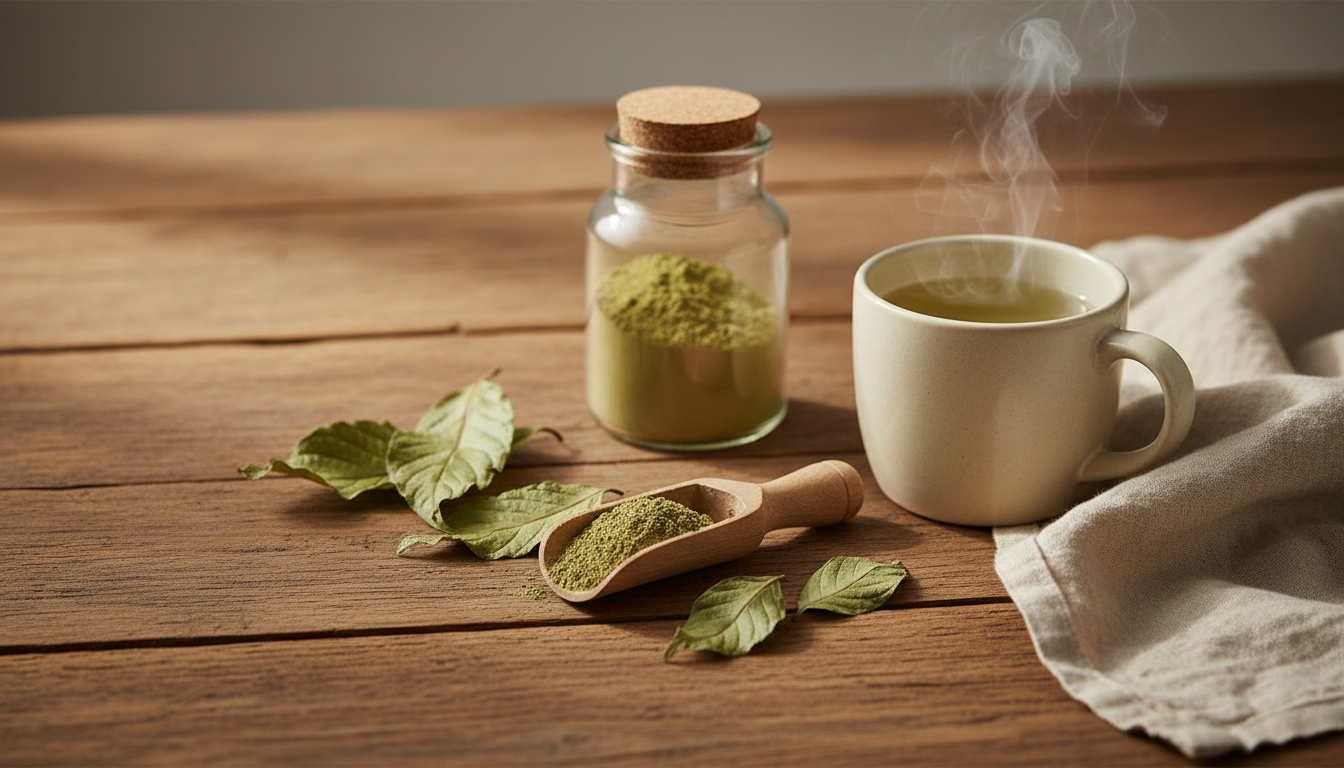
You can often see the difference before you even test it. Quality kratom is a vibrant, consistent green with a fine texture. Lower-grade powder looks dull and gritty, sometimes with visible stems or plant debris mixed in.
Lab Testing Isn’t Optional for Serious Vendors
Programs like the American Kratom Association’s GMP certification require annual third-party audits and strict testing protocols. Meeting those standards costs vendors real money.
Every batch that passes through a certified process gets checked for microbial contamination, heavy metals, and alkaloid content — testing that can run into the hundreds of dollars per batch. Vendors trying to keep prices low often skip this step entirely, which means you’re gambling on what’s actually in the bag.
Ask for a Certificate of Analysis (COA). A reputable seller will hand one over without hesitation, showing exactly what testing was done and what it found.
The Real Cost of Buying Cheap
Low-quality kratom often needs a bigger serving size to do what a smaller amount of premium product would do. Once you factor that in, the “cheap” option isn’t always cheaper.
There’s also a safety cost. Bacterial contamination or heavy metal exposure isn’t a minor tradeoff — it’s a real health risk that no discount is worth. (For specific warning signs, see our guide on spotting low-quality kratom.)
Inconsistent potency creates its own headache. If one batch is strong and the next is weak, you end up guessing at serving sizes every time, which makes the product unpredictable and honestly kind of annoying to use. Quality kratom, batch after batch, behaves the way you expect it to.
Growing Demand Is Pushing Standards Up
Industry projections put the kratom market’s value near $15.92 billion by 2032, driven largely by buyers who now expect transparency and testing as standard, not a bonus feature.
As more consumers learn what separates a well-processed product from a corner-cut one, vendors racing to the bottom on price are finding it harder to compete. Building a business on consistent quality, rather than the lowest possible price, is turning out to be the more durable strategy.
How to Spot Quality Before You Buy
A few things to check before you commit:
- Color and texture: Vibrant green, fine and uniform. Dull color or visible stems are red flags.
- Smell: Fresh kratom smells earthy and herbal, close to green tea. Musty or chemical smells mean something went wrong in processing or storage.
- Packaging: Look for air-tight, opaque containers that block light and moisture. (Our guide on maintaining botanical extract quality covers this in more depth.)
- Vendor transparency: Sellers who openly share sourcing details, testing methods, and processing steps are usually the ones worth trusting.
Smart Ways to Buy
Sample packs are a low-risk way to test a vendor before committing to a bulk order — many premium sellers offer variety packs across strains and processing styles.
Watch for seasonal sales from vendors who already meet testing standards; that’s a good way to stock up without compromising on quality. Once you’ve found a vendor whose product performs consistently, buying in bulk brings the per-unit cost down. And don’t skip verified customer reviews — they tend to surface problems (or confirm quality) faster than marketing copy does.
Format Affects Price Too
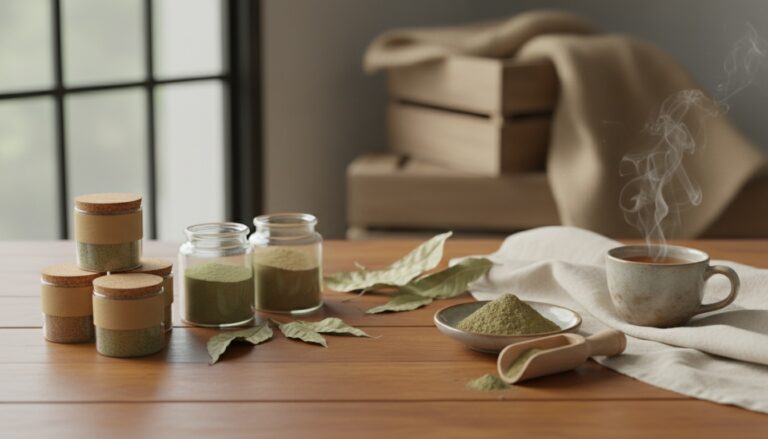
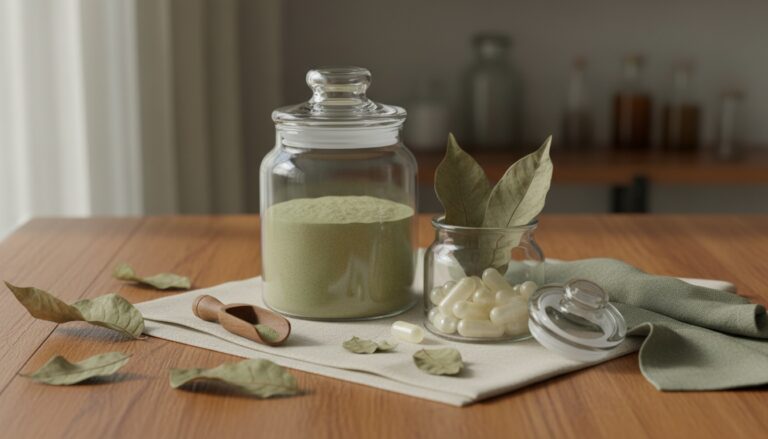
Powder is usually your best value per gram, though it takes a bit more effort to prepare. Capsules cost more because of the extra processing and materials involved.
Extracts are pricier still, since concentrating alkaloids requires much more raw leaf. A well-made extract preserves the full alkaloid profile rather than isolating a single compound. Tea bags and edibles add convenience at a cost, and each format comes with its own quality and testing considerations that factor into the final price.
Bringing It Together
When comparing vendors, look past the price tag and check their testing practices — third-party lab results, GMP certification, and clear sourcing information matter more than the number on the label. Think in terms of cost per effective dose rather than cost per gram; a stronger, more consistent product is often the better deal even if it costs more upfront.
Favor vendors who’ve shown they’re in this for the long haul — consistent testing, real customer support, an established reputation. And when trying someone new, start small. There’s no substitute for judging quality yourself, batch by batch.
Ultimately, quality kratom costs more because it actually delivers on what cheap alternatives only promise. Careful sourcing, proper processing, and real testing add up to a product you can trust — and the more buyers demand that, the more the whole market has to keep up.
Frequently Asked Questions
What’s the difference between cheap and expensive kratom?
Higher-priced kratom usually comes from wild-harvested, mature trees, goes through proper indoor drying, and gets third-party lab tested. Cheaper kratom often comes from young farmed trees, dried outdoors, with no testing at all.
Why does kratom pricing vary so much?
Sourcing quality, processing methods, lab testing, vendor overhead, and product format all factor in. Selective harvesting and thorough testing add real cost, which shows up in the price.
How can I tell if kratom is high quality?
Look for vibrant green color, fine even texture, an earthy aroma, and solid packaging. Reputable vendors provide a Certificate of Analysis and typically hold GMP certification.
Is expensive kratom worth the extra cost?
Often, yes. Premium kratom tends to be more potent, so you need less per serving — which can make the cost per effective dose comparable to, or even better than, cheaper options.
What should I avoid when buying kratom?
Dull color, gritty texture, musty smell, no lab results, and vague or absent sourcing information are all warning signs.
Do I need to see lab test results?
Yes. With a notable share of kratom failing basic microbial testing, a Certificate of Analysis showing contamination, heavy metal, and alkaloid results is worth insisting on.
What’s the best kratom format for value?
Powder generally offers the best value per gram. Capsules cost more for convenience, and extracts cost the most — though they may offer a better cost-per-dose depending on potency.
Should I buy kratom in bulk?
Only after testing a smaller quantity first. Bulk buying saves money per unit, but only makes sense once you trust the vendor’s consistency.
How do I find reputable kratom vendors?
Look for GMP certification, third-party testing, transparent sourcing, and verified customer reviews. Be wary of vendors making big wellness claims or pricing that seems too good to be true.
What’s wild-harvested kratom?
Kratom collected from mature trees growing naturally in Indonesian forests, rather than young trees on industrial farms. These mature trees typically develop higher alkaloid content, resulting in a more potent product.