



Walk down any supplement aisle or scroll through wellness ads online, and you’ll see the same promises: sharper focus, clearer thinking, more mental energy. Functional mushrooms have become the go-to ingredient for cognitive support. But there’s a problem most buyers never think about — almost nobody checks whether these products actually contain what the label says they do.
Here’s what separates a mushroom supplement that delivers from one that’s just an expensive jar of powder.
The Main Players in Cognitive Mushrooms
Five mushroom types show up again and again in brain-focused supplements, and each one works a bit differently.
Reishi helps indirectly, mostly by easing stress. When daily stress drops, focus often improves as a side effect. The mushroom’s triterpene compounds are thought to promote calm without making you drowsy.
Lion’s Mane gets the most attention for memory. Research using double-blind trials has shown participants improving on working memory and attention tests within an hour of taking a single dose. Scientists believe this happens because certain compounds in the mushroom may encourage nerve growth factor production in the brain.
Cordyceps is associated with mental stamina, largely through better oxygen use in the body. People often reach for it when they need to stay sharp through long or demanding tasks.
Shiitake brings B vitamins, selenium, and other nutrients that support brain health generally. It hasn’t been studied as heavily for direct cognitive effects, but its neuroprotective properties make it a reasonable addition to a brain-health routine — which is part of why it shows up in tincture form for people wanting an easy daily addition.
Chaga stands out for antioxidant content. It carries some of the highest antioxidant levels of any functional mushroom, which may help protect brain cells from the oxidative stress that can chip away at cognitive performance over time.
Each of these mushrooms offers a distinct route to supporting brain function. But none of that potential matters if the product in your hand isn’t what it claims to be.
Why Quality Verification Is the Real Issue
The supplement industry has grown into a massive market — worth well over $36 billion — with surprisingly little standardization behind it. That gap leaves shoppers guessing. Many mushroom products contain unknown amounts of the compounds that actually matter, some are bulked up with fillers, and others haven’t been screened for contaminants at all.
Because oversight is thin, marketing claims often fill the space where real verification should be. It’s telling that Amazon introduced a new policy requiring third-party verification for dietary supplements starting in April 2024, through approved testing organizations. That move is essentially an admission that the market has a trust problem — and that informed buyers have been right to be skeptical all along.
A Practical Way to Check Quality
Buyers who know what they’re doing tend to check products on three levels.
1. Independent lab testing. Ask for a certificate of analysis from a third-party lab — one that confirms both the presence of active compounds and the absence of things like heavy metals, pesticides, or microbial contamination. Companies with nothing to hide make these documents easy to find. If a brand won’t share lab results, treat that as a warning sign.
2. Manufacturing standards. GMP (Good Manufacturing Practice) certification points to consistent, controlled production. There’s also a specific GMP qualification for kratom and botanical supplements that addresses this category directly. Wild-harvested mushrooms often carry higher concentrations of active compounds than farmed ones, and companies that source directly from growers — rather than through a chain of distributors — generally have tighter quality control.
3. Transparency. Solid companies will tell you where their mushrooms come from, how they’re processed, and what extraction ratios they use. They’ll explain their testing process without being asked twice. Vague language (“premium quality,” “expertly crafted”) is often a cover for not having much to say. Specific technical detail is usually a good sign.
Check the Active Compound Levels
Functional mushrooms do what they do because of specific bioactive compounds — not just because they’re “mushroom.” A quality product will tell you which ones it contains and how much.
For Lion’s Mane, look for hericenones and erinacines. For Reishi, it’s triterpenes and beta-glucans. For Cordyceps, check for cordycepin and adenosine content.
If a label only lists total mushroom powder weight with no mention of these compounds, you don’t have enough information to judge whether it will actually do anything. Standardized extracts — labeled with ratios like 10:1 or 20:1, along with a percentage of active compounds — tend to give more predictable results than raw powders.
Choosing a Form: Powder, Capsule, Extract, or Gummy
The format you choose affects both how well your body absorbs the mushroom and how easy it is to judge quality.
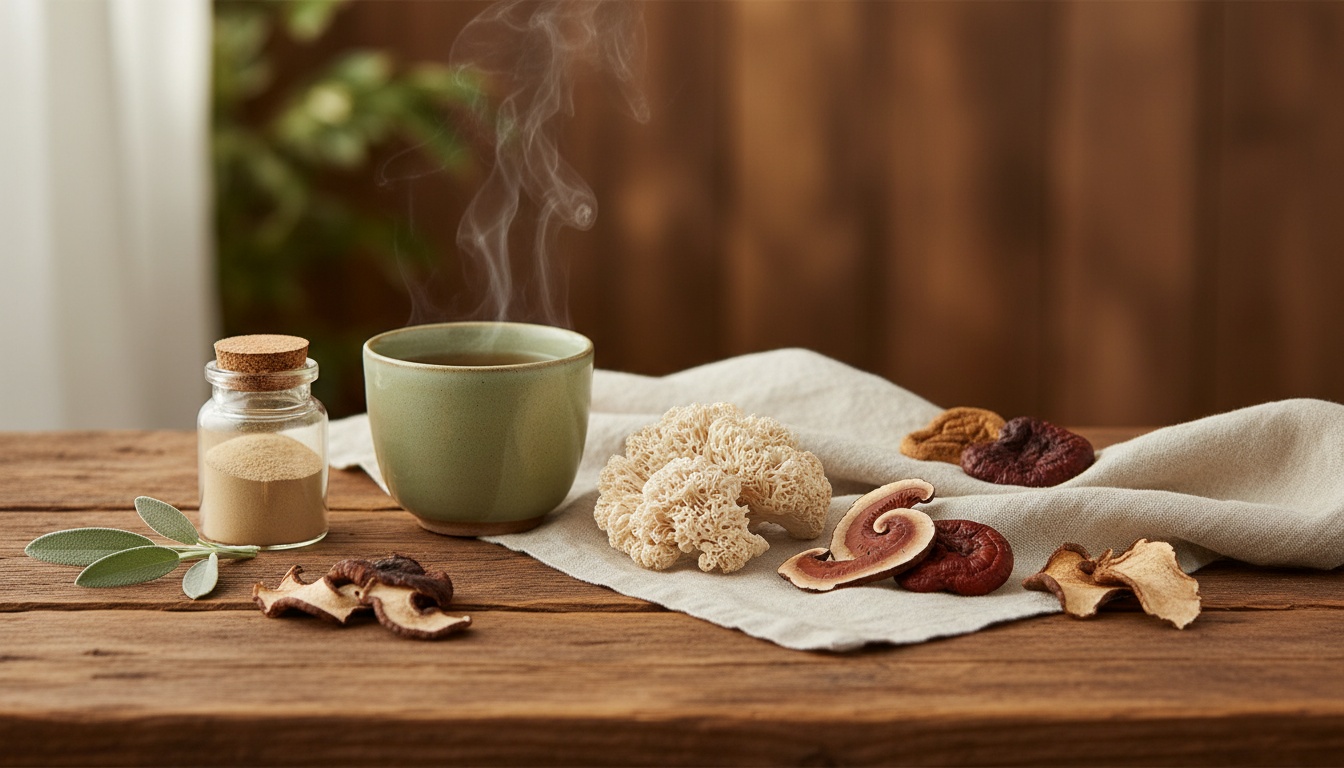
- Powders let you see and smell the product directly, which can help you spot something off, but they need proper storage to avoid degrading over time.
- Capsules are convenient but hide the product from view, so you’re relying entirely on the label and lab results.
- Liquid extracts often absorb better, though they’re typically made using alcohol or glycerin, which not everyone wants.
- Gummies and other edibles may contain added sugars or fillers that dilute how much actual mushroom you’re getting per serving.
Pick whatever format fits your lifestyle, but hold every format to the same verification standard.
Warning Signs Worth Watching For
Some marketing patterns are red flags no matter how good the packaging looks.
- Be wary of any product claiming to treat or cure specific conditions. Reputable brands use careful language — “traditionally used for” or “commonly associated with” — rather than making medical claims outright.
- Promises of guaranteed or universal results usually mean the company is selling a story, not a product.
- If lab testing information is missing or hard to find, assume there’s a reason for that.
- A price that seems too good to be true usually means corners were cut somewhere — in sourcing, testing, or both.
Putting Together Your Own Checklist
Before buying, it helps to have a short mental checklist ready:
- Is third-party lab testing available, and is the certificate recent?
- Is the manufacturer GMP certified, and is sourcing clearly explained?
- Are active compound levels and extraction methods specified?
- Does the company have a solid reputation among actual customers?
- Does their content sound like genuine expertise, or just marketing copy?
Judge products against this checklist rather than by price tag or flashy claims. It takes a little more effort up front, but it pays off in knowing you’re actually getting what you paid for.
The mushroom supplement market can deliver real cognitive benefits — but only for buyers willing to look past the marketing and check the substance underneath. If you’re curious about combining different mushrooms for a broader effect, it’s worth reading up on how various types work together before building a stack.
Frequently Asked Questions
Which mushroom is best for memory?
Lion’s Mane has the strongest research behind it, with studies showing improved working memory within an hour of a single dose.
How do I know if a mushroom supplement is actually good quality?
Check for third-party lab certificates, GMP manufacturing, and specific active compound levels — not just a total mushroom weight on the label.
Are powders better than capsules?
Either can work if made well. Powders let you inspect the product yourself; capsules are just more convenient. It comes down to preference.
What’s the difference between whole mushroom powder and an extract?
Extracts concentrate the active compounds (often at ratios like 10:1), giving more consistent potency. Whole powders are less concentrated but closer to the raw mushroom.
How long before I notice effects?
Lion’s Mane can show effects within an hour for some people. Others, like Reishi, usually need a few weeks of consistent use before you notice a difference.
Can I take different mushrooms together?
Yes — since they target different things, many people combine, say, Lion’s Mane for memory with Reishi for stress.
What should I avoid when shopping for these products?
Steer clear of anything without lab testing, making direct medical claims, promising guaranteed results, or priced suspiciously low.
Do I need to take breaks from mushroom supplements?
Most are considered safe for daily, ongoing use. Some people choose to cycle off every few months, but it isn’t a requirement.