
Ask any kava shopper about strain names and they’ll talk your ear off about Borogu versus Melomelo. Ask them how to tell noble kava from non-noble, or whether their powder actually contains the kavalactone levels printed on the label, and you’ll often get a blank stare. That gap in knowledge matters more than most people assume — it’s the difference between a good experience and a disappointing one.
What “Noble Kava” Actually Means
Noble kava isn’t just a marketing term. It refers to specific cultivated varieties that produce a balanced kavalactone profile, which many users say results in a smoother, more pleasant experience than non-noble kava offers. Vanuatu takes this seriously enough to write it into law: under the country’s Kava Act, only noble cultivars can be exported, and the plants must be at least five years old and organically grown.
There’s a reason for the strict rules. Noble varieties generally run 8–13% total kavalactone content, with kavain typically the most concentrated of the six primary kavalactones that shape most of kava’s effects. Fewer people know that noble kava actually contains at least 18 different kavalactones total — the six commonly discussed ones are simply the best studied and most predictable.
Heady Strains vs. Heavy Strains
Kava culture generally splits strains into two broad categories, and understanding them can help narrow your search.
Heady strains are associated with mental clarity, social ease, and a lighter, more uplifting feel. People often reach for these during the day or in social settings. Pouni Ono, Melomelo, and some Borogu varieties fall here.
Heavy strains lean toward physical relaxation and are often used in the evening. Users describe them as more sedating and body-focused. Tudei, Isa, and certain Borogu varieties tend to fit this category.
That said, a strain name is not a guarantee. How the kava was processed, how old it is, how it was stored, and where it came from all shape the final product — sometimes more than the cultivar itself. A carelessly handled noble strain can underdeliver, while a well-processed heavy variety can exceed expectations.
How to Actually Verify Quality
Marketing claims are cheap. Real verification takes a bit more digging, but it’s worth it.
Look for third-party lab testing. A credible certificate of analysis should show kavalactone content, microbial screening, and heavy metals testing — and it should be tied to the specific batch you’re buying, not a generic report from months ago.
Favor vendors with direct supplier relationships. Sellers who work directly with farmers or processors tend to have better visibility into growing conditions and harvest timing, which translates into more consistent quality.
Ask about processing. Kava that’s wild-harvested and processed in a GMP-certified facility is generally more consistent than kava with murky origins or an unclear supply chain.
Try the acetone test. This is something you can do yourself: dissolve a small amount of kava powder in acetone. Noble kava tends to turn yellow because of its translucent kavalactones, while non-noble kava often turns orange due to higher levels of darker flavokavains.
Warning Signs Worth Taking Seriously
The broader botanical supplement industry has a mislabeling problem, and kava isn’t immune to it. Identity testing conducted in early 2024 flagged roughly 30% of the botanicals sampled, including well-known supplements like lion’s mane, ashwagandha, and rhodiola. That’s a strong signal that adulteration and mislabeling remain widespread across the category, not just with kava.
A few things should make you pause:
- Suspiciously low prices. Very cheap kava often means fillers, old material, or non-noble stock passed off as premium.
- Suspiciously high prices with no proof. Expensive doesn’t automatically mean better — it just means expensive.
- Bold health claims. Trustworthy sellers use careful language like “commonly associated with” or “traditionally used for,” not guarantees about what the product will do for you.
- Missing documentation. No lab reports, vague sourcing details, or reluctance to answer questions about processing are all red flags.
Preparation Affects Quality Too
Even good kava can underperform if it’s prepared poorly.
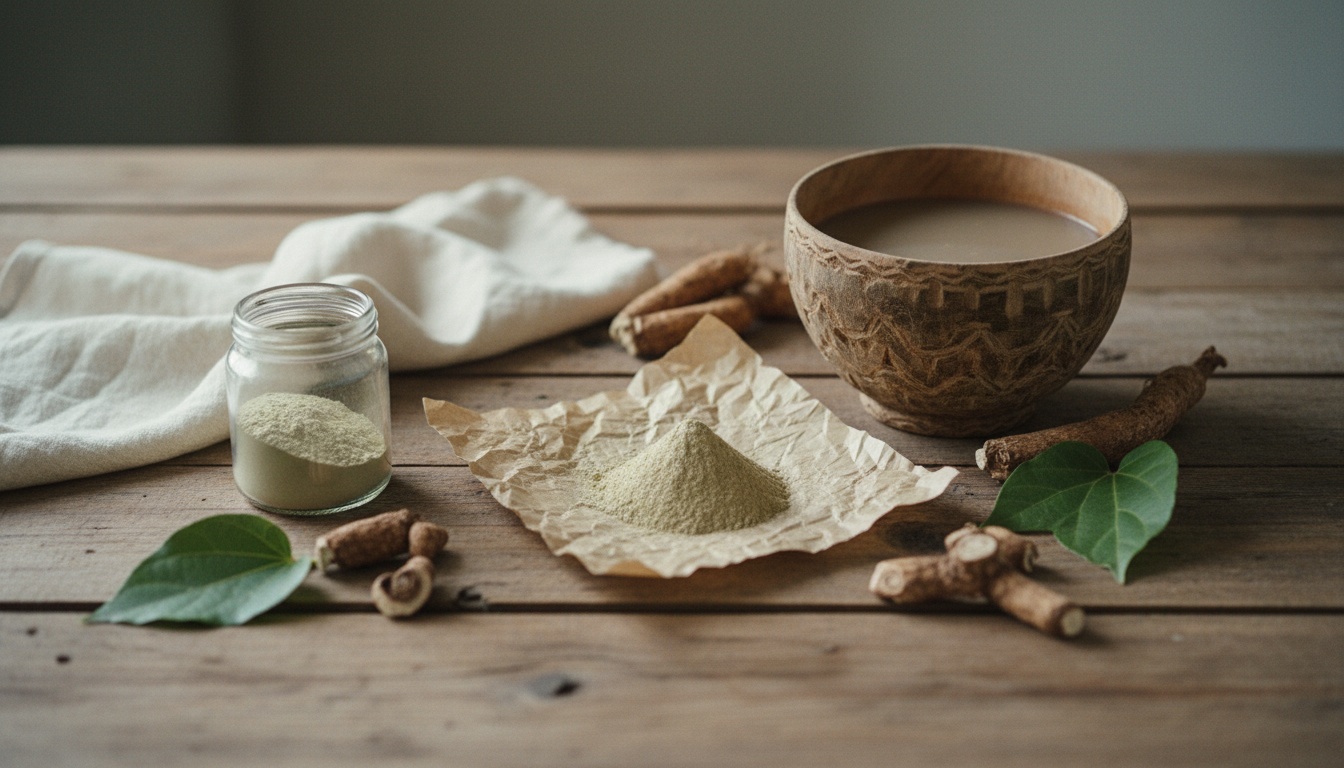
Traditional preparation involves kneading the powder in lukewarm water for 10 to 15 minutes, using a strainer bag to work the material. This mechanical kneading breaks down the plant fibers and pulls out kavalactones far more effectively than just stirring it into water.
Water temperature matters more than people expect. Hot water can break down some kavalactones, while cold water doesn’t extract them well at all. Lukewarm, roughly room temperature, hits the sweet spot for traditional prep.
Modern formats — instant kava, extracts, gummies — trade some of that traditional character for convenience. Extracts isolate specific kavalactones, which can shift the balance you’d get from whole root. Some users add a bit of coconut oil or another fat to their kava, believing it helps with absorption, though this is anecdotal rather than something backed by testing.
A Simple Framework for Evaluating Vendors
A few consistent habits will serve you well no matter which vendor or strain you’re considering:
- Check for transparency first. Sellers worth trusting share sourcing details, processing methods, and lab results without being asked twice, and they tend to educate rather than just sell.
- Confirm testing standards. Third-party lab verification from an accredited facility carries far more weight than in-house testing claims. Certificates of analysis should be current and product-specific.
- Look at overall handling practices. Vendors who invest in proper storage and cold-chain logistics for sensitive botanicals usually extend that same care to everything else they sell.
- Weigh community feedback. Long-time customers, especially experienced kava drinkers, often notice quality issues long before they show up in marketing copy.
Making Better Decisions
Quality assessment gets easier once you know what questions to ask. Prioritize evidence over promises — a reliable vendor backs up its claims with testing, certification, and a willingness to answer questions honestly.
Keep in mind that everyone reacts to botanicals differently. What works well for someone else might not work the same way for you, so it’s worth starting with a smaller amount when trying a new strain or a new vendor.
Think about how you plan to use the kava, too. Traditional water-based preparation and modern formats like capsules or extracts can feel quite different, even from the same underlying material.
Buying quality botanicals is part of taking your wellness seriously, and that means spending a little time checking sourcing, processing, and vendor practices before you buy. As more buyers ask for testing and transparency, the market shifts — vendors increasingly compete on verifiable quality rather than marketing alone. Every purchase you make either rewards that shift or ignores it.
As always, talk to a healthcare professional before adding kava or any other botanical supplement to your routine, particularly if you have existing health conditions or take medication.
Frequently Asked Questions
What’s the difference between noble and non-noble kava?
Noble kava comes from specific cultivars with a balanced kavalactone profile. Non-noble kava often has higher flavokavain levels, which can lead to a less pleasant experience.
How can I tell if my kava is high quality?
Look for third-party lab testing, a current certificate of analysis, and a vendor willing to share sourcing details. Ideally, it should be processed in a GMP-certified facility.
What’s the difference between “heady” and “heavy” kava?
Heady strains tend to promote mental clarity and social relaxation. Heavy strains lean toward physical relaxation and are often used in the evening.
Should I pick expensive kava over cheaper options?
Price alone tells you little. Focus on lab testing, sourcing transparency, and processing quality instead of cost.
What’s the best way to prepare kava?
Knead the powder in lukewarm water for 10 to 15 minutes using a strainer bag. This extracts kavalactones more effectively than simply stirring.
How do I know if a kava vendor is trustworthy?
Look for recent lab reports, clear sourcing information, careful language around effects, and general transparency about their business.
Can I test kava quality myself?
Yes — the acetone test is a simple at-home check. Noble kava typically turns yellow in acetone; non-noble kava tends to turn orange.
Why do kava products from the same strain sometimes feel different?
Processing, age, storage, and sourcing practices shape the final product more than the strain name does. How the kava was handled matters a great deal.