



Walk into any store selling wellness products, or scroll through enough online shops, and you’ll find CBD in nearly every form imaginable — oils, gummies, creams, capsules. If you’re new to it, that variety can feel more paralyzing than helpful. Which format actually works? How much should you take? What separates a good product from a wasted purchase?
This guide breaks down the essentials: what CBD is, how the main product types differ, how to think about dosing, and what to check before you buy.
What CBD Actually Is
CBD, short for cannabidiol, is one of more than 100 compounds found naturally in hemp plants. It doesn’t produce a high — that’s THC’s job. Instead, people who use CBD regularly often describe it as part of a routine meant to support general balance and calm.
Researchers believe CBD interacts with the endocannabinoid system, a network of receptors throughout the body that helps regulate things like mood, sleep, and appetite. The science here is still developing, but this interaction is a big part of why CBD has caught on in wellness circles.
Hemp, Not Marijuana
Every legally sold CBD product in the U.S. comes from hemp, not marijuana. Hemp is defined by law as containing no more than 0.3% THC by dry weight — a threshold low enough that it won’t get you high. That distinction, set by the 2018 Farm Bill, is what makes hemp-derived CBD federally legal.
Choosing a Product Format
There’s no single “best” way to take CBD. The right format depends on your lifestyle, how fast you want results, and how precise you want to be with dosing.
Oils and Tinctures
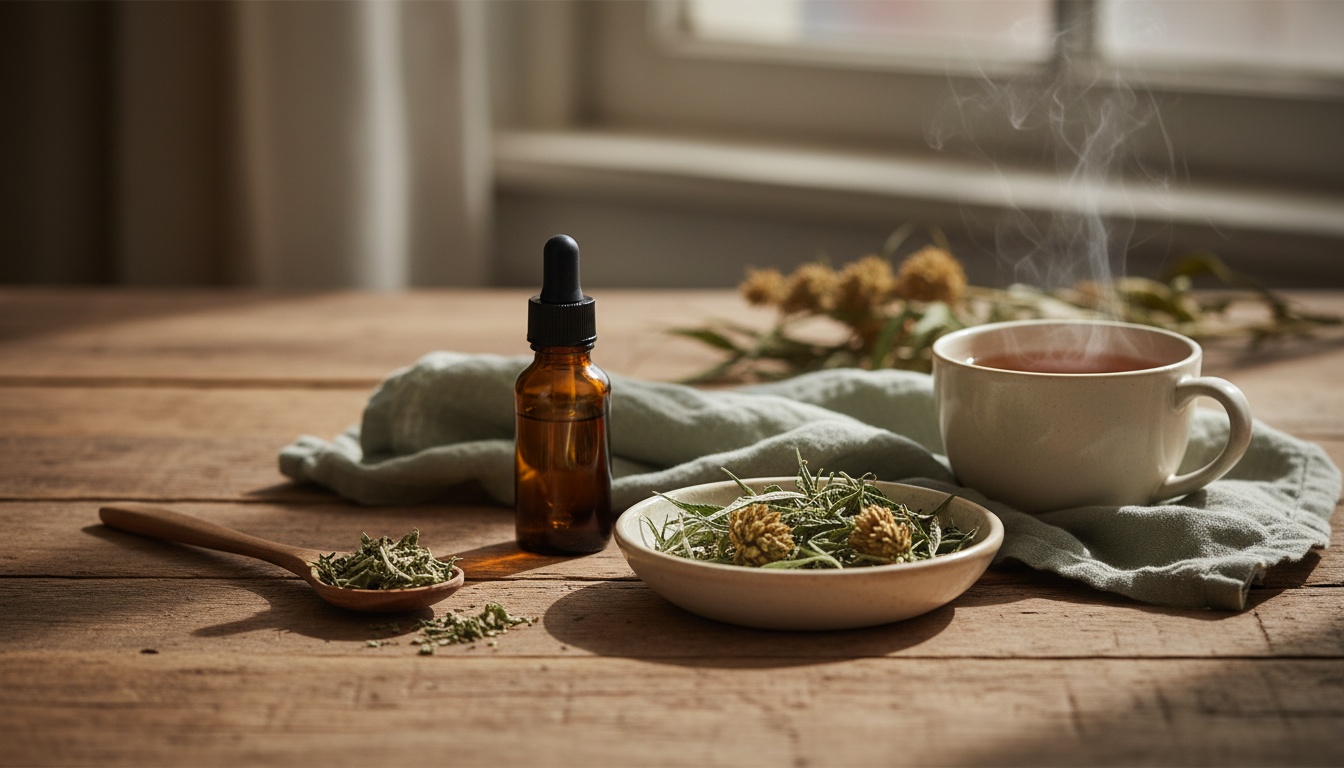
Oils are liquid extracts you place under your tongue, usually held there for 30-60 seconds before swallowing to help with absorption. Most people notice effects within 15 to 45 minutes. Because oils come with a dropper, you can fine-tune your dose in small increments — which makes them a good choice if you want flexibility.
Look for products made with CO2 extraction. It’s considered the cleanest method because it pulls cannabinoids from the plant without leaving behind solvent residue.
Capsules and Softgels
If you’d rather not measure drops, capsules offer a simpler, pre-dosed alternative. The downside is that they take longer to kick in — typically 30 to 90 minutes — since your body has to digest them first. You also lose some flexibility in adjusting dose on the fly.
Topicals
Creams, balms, and lotions are applied directly to the skin, often for post-workout soreness or as part of a skincare routine. Unlike oils or capsules, topicals don’t enter the bloodstream. They work locally, interacting with cannabinoid receptors in the skin itself.
Edibles
Gummies and other CBD-infused foods are an easy, discreet way to get a consistent dose. Like capsules, they take a while to work — usually 30 to 120 minutes — but many people find the effects last longer, which can be useful for all-day support.
Full-Spectrum, Broad-Spectrum, or Isolate?
Beyond format, you’ll also need to decide what kind of CBD extract you want. This matters more than people expect.
Full-spectrum products contain CBD plus the plant’s other natural compounds, including a small amount of THC (still under the legal 0.3% limit). Supporters believe these compounds work better together than CBD does alone — sometimes called the entourage effect.
Broad-spectrum products keep most of those other compounds but have the THC stripped out entirely. This suits people who want the fuller compound profile without any THC exposure.
Isolate is pure CBD, nothing else. It’s flavorless and odorless, which makes it easy to mix into food or drinks if you don’t want any hemp taste.
Figuring Out Your Dose
There’s no universal CBD dose — what works depends on your body weight, metabolism, and how sensitive you are to it. The safest approach is to start small and adjust slowly.
Start Low, Go Slow
A common starting point is 5 to 10mg per day. From there, increase by about 5mg every few days until you notice the effect you’re looking for. This isn’t about finding a maximum dose — it’s about finding the smallest amount that works for you.
Keeping a simple log of what you took and how you felt can make this process much easier to track over time.
When You Take It Matters
Some people prefer CBD in the morning to ease into their day; others use it at night to wind down. There’s no fixed rule — try different times and see what fits your schedule best.
What Affects Your Dose
A few variables can change how CBD affects you:
- Body weight — larger individuals sometimes need more to feel an effect
- Metabolism — a faster metabolism may process CBD more quickly
- Food — taking CBD with fatty food can improve absorption
- Product quality — well-made products may work at lower doses than cheaper alternatives
What to Look for in a Quality Product
Because the CBD industry isn’t tightly regulated, quality varies a lot from brand to brand. A few checks can help you avoid weak or contaminated products.
Check the Lab Results
Reliable brands publish certificates of analysis (COAs) from independent labs. These confirm how much CBD is actually in the product and screen for contaminants like pesticides, heavy metals, and leftover solvents.
Make sure the COA is recent and matches the specific batch you’re buying. If a company can’t or won’t provide one, that’s a red flag.
Know Where It Comes From
Good CBD starts with well-grown hemp. U.S.-grown hemp, ideally organic, tends to come with more oversight than imported alternatives. And as mentioned earlier, CO2 extraction is generally the safer, cleaner processing method.
Look for Transparency
Companies that stand behind their products are usually upfront about sourcing, testing, and ingredients. Be skeptical of brands that lean heavily on big claims instead of clear information — that’s often a sign they’re selling hype rather than substance.
Safety and Interactions
CBD is generally well tolerated, but it’s not risk-free, especially at higher doses or when combined with certain medications.
Possible Side Effects
Some people notice mild effects when starting out, including:
- Drowsiness
- Dry mouth
- Appetite changes
- Stomach upset
These tend to fade as your body adjusts.
Medication Interactions
CBD is processed by the liver, which means it can interact with certain prescription drugs — particularly ones that carry a grapefruit warning, since CBD affects liver enzymes in a similar way. If you’re on medication, talk to your doctor before adding CBD to your routine.
Making Your First Purchase
Once you understand the basics, buying your first product is much less intimidating.
For beginners, oils and capsules are usually the easiest entry points — oils for flexibility, capsules for simplicity. Start with a lower-strength product, somewhere around 300 to 600mg total per container, so you’re not stuck with more than you need while you figure out your dose.
When comparing prices, look at cost per milligram of CBD rather than the sticker price alone. A pricier bottle with higher potency often ends up being the better deal.
Common Questions
How long does CBD stay in your system?
Usually 2 to 5 days, depending on your metabolism and how often you use it. Pure CBD isolate won’t show up on a drug test, but full-spectrum products carry trace THC that could.
Can you take too much?
CBD has a solid safety track record, but too much can cause drowsiness or an upset stomach. Stick to the start-low approach.
Will it show up on a drug test?
Isolate and broad-spectrum products are safer bets if you’re concerned. Full-spectrum contains trace THC, which could theoretically trigger a positive result.
How do I know if it’s working?
The effects are often subtle — a sense of calm, better sleep, less tension. A journal helps you notice patterns you might otherwise miss.
Can I give CBD to my pets?
Talk to a vet first, and only use products formulated specifically for animals. Human CBD products aren’t dosed or made for pets.
Final Thoughts
Getting started with CBD doesn’t need to be complicated. Pick a quality product, start with a small dose, and pay attention to how your body responds. Adjust from there.
What works well for someone else might not work the same way for you, and that’s normal — this is a personal process, not a one-size-fits-all formula. Stick with companies that test their products and share that information openly, be patient as you find your routine, and keep your expectations realistic. That combination will serve you better than chasing the flashiest marketing claims.