


Buying good kratom takes more than a willingness to spend money. A significant share of kratom entering the United States — estimates range from 15 to 25% — fails microbial testing standards. Put another way, roughly one in four products on the market carries contamination that a proper lab test would flag. Most buyers never see that lab report, though, so they have no idea what they’re actually getting.
The kratom market treats informed buyers well and punishes those who shop by price alone. Knowing what separates a quality product from a questionable one can save you money and spare you a lot of frustration.
Super Sunda Kratom Needs a Closer Look
Super Sunda is one of the trickier varieties on the market. It’s not a strain that grows naturally — it’s a blend of Green Sunda and Red Sunda, combined specifically to boost potency by pulling characteristics from both parent strains.
That blending process has to be precise. Because Super Sunda relies entirely on getting the Green-to-Red ratio right, quality control matters even more here than it does for single-strain kratom. The source material comes from Indonesia’s Sunda Islands, where the tropical, humid climate tends to produce higher alkaloid concentrations. Still, how good the final product turns out depends on the vendor’s blending skill and their testing habits, not just where the leaf grew.
If you’re considering Super Sunda, ask the vendor directly about their blending ratios, how they test for batch consistency, and what the alkaloid profile looks like. A vague or evasive answer usually means their quality control is just as vague.
Lab Testing Cuts Through the Marketing
Third-party lab verification is the only real way to measure kratom quality objectively. Legitimate labs use Liquid Chromatography Mass Spectrometry (LCMS), which measures alkaloid content with remarkable precision — down to parts per billion, accurate to a tenth of a percent and a tenth of a milligram. That level of detail gives you real information about potency. Unfortunately, testing fraud is a real problem in this industry.
Fake certificates of analysis show up regularly — some counterfeited, some outright forged. That means you can’t just take a document at face value because a vendor handed it to you. Some brands claim tests they never ran; others post reports with potency numbers that aren’t realistic.
A genuine Certificate of Analysis (COA) includes a batch number that matches your actual product. The lab behind it should be a real, identifiable, contactable business. And the alkaloid numbers should fall in a realistic range — mitragynine content typically sits between 0.5% and 2.0%.
Check that the batch number on your package matches the one on the COA. If that information is missing or generic, it’s a sign the vendor either isn’t testing regularly or is reusing old results across different batches.
What Your Eyes and Nose Can Tell You
Fresh, well-processed kratom has some consistent visual and sensory markers worth learning to spot.
-
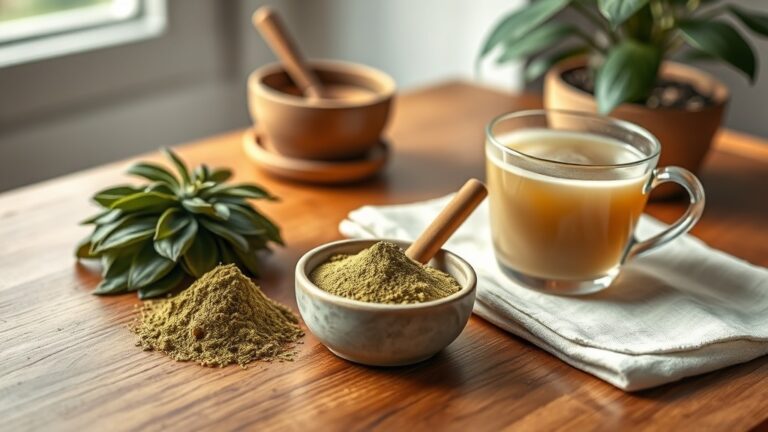
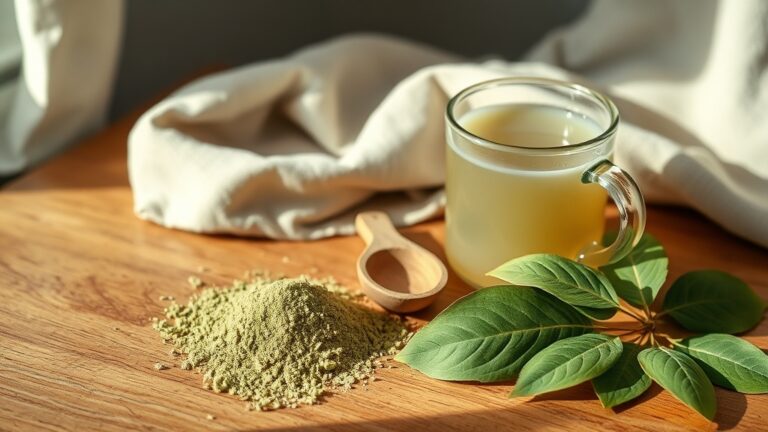
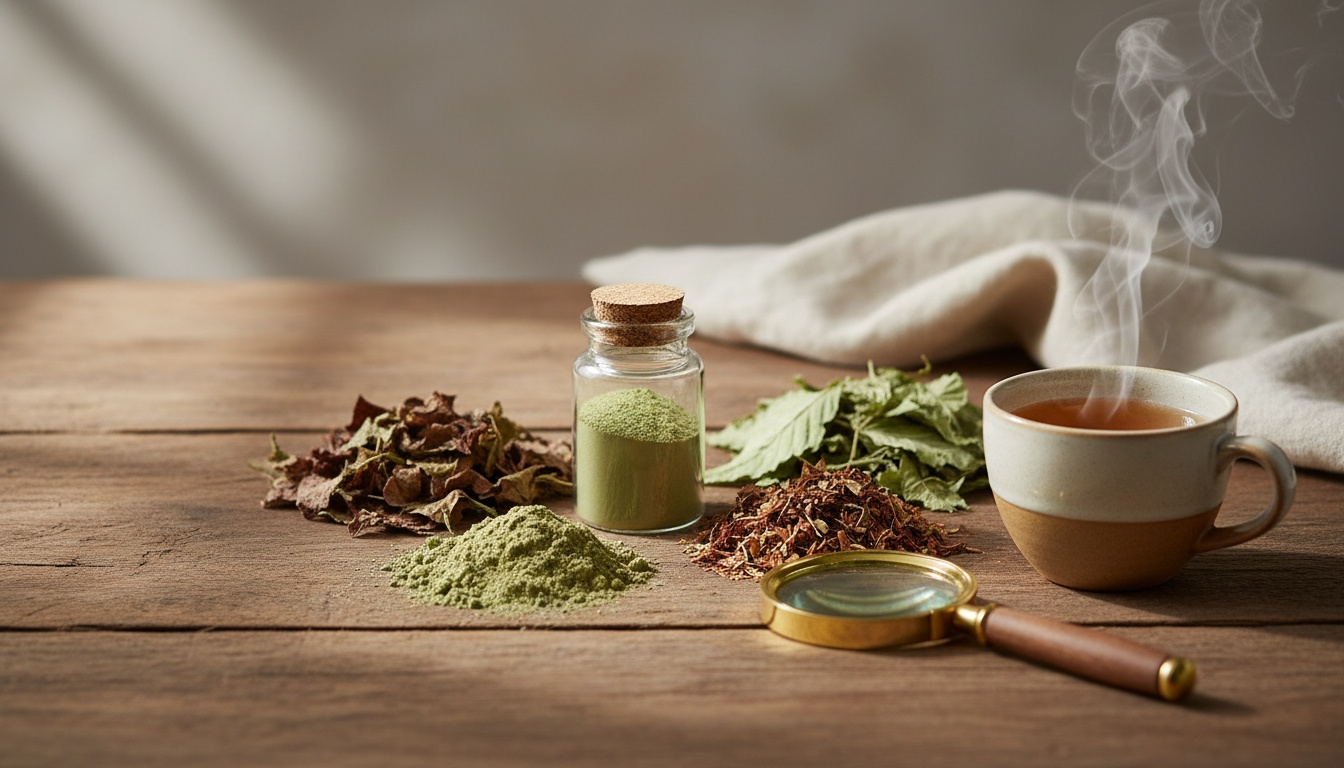
Color should look vibrant and even across the batch. Red vein kratom should show deep, rich tones; green vein should look bright and fresh. Faded, dull, or patchy coloring usually points to age, poor storage, or a processing problem.
-
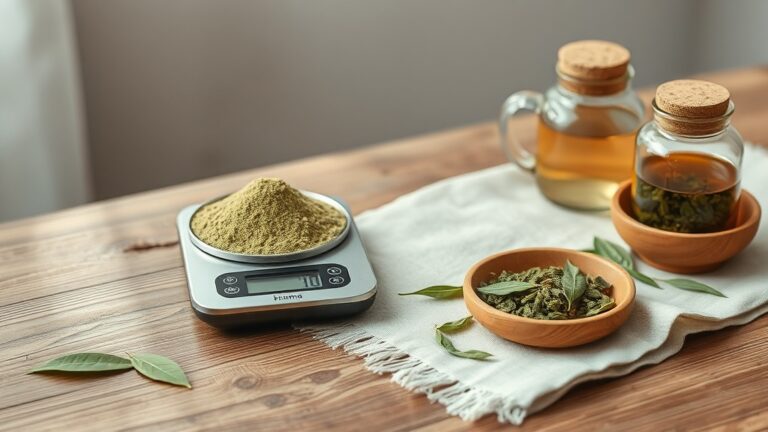
Texture matters too. Good powder feels fine and uniform, without a lot of stems, chunks, or other debris mixed in. It should flow freely rather than clump or feel damp.
-
Smell is another clue. Fresh kratom has a distinctive earthy scent that regular users learn to recognize quickly. A musty or sour smell — or no smell at all — usually signals a storage issue or contamination.
These checks are useful, but they’re not a substitute for lab testing. Contamination and adulteration often can’t be detected just by looking at or smelling the product.
Transparency Tells You a Lot About a Vendor
Reliable vendors are generally open about where their kratom comes from and how it’s handled.
Legitimate suppliers maintain direct relationships with farms and processing facilities in Indonesia. Ask them how they harvest, dry, and transport the product, and they should be able to walk you through it without hesitation.
AKA GMP certification is worth looking for, though it’s a facility-level certification, not a guarantee about any specific batch. It shows a company follows proper manufacturing practices, but you still need batch-specific test results for real assurance.
Wild-harvested kratom from established growing regions tends to have better alkaloid profiles than plantation-grown product. A trustworthy vendor should be able to name their sourcing regions and describe their harvesting partnerships without dodging the question.
When you’re vetting a vendor, ask about their supplier relationships, facility certifications, and quality control steps. Answers that are vague or evasive usually mean the vendor doesn’t have much visibility into their own supply chain.
Where You Buy Affects What You Get
The purchasing channel matters almost as much as the product itself.
Specialized online kratom vendors tend to move inventory faster and work more directly with suppliers than general retail stores do. Faster turnover means fresher product, and direct supplier relationships make it easier to maintain quality control.
Physical stores often trade freshness for convenience. Product can sit on shelves for a long time, losing potency and picking up storage-related problems. Limited shelf space also limits variety and can prevent proper storage conditions.
Established online vendors usually put more resources into quality control, customer education, and transparency — largely because their business depends on repeat customers and good reviews.
If you’re buying wholesale, ask whether the vendor holds bulk orders to the same quality standards as retail. Some suppliers cut back on testing for wholesale accounts, assuming business buyers will do their own verification.
Price Isn’t a Reliable Shortcut
A suspiciously cheap price on kratom is usually a red flag, not a bargain.
Producing quality kratom costs money — proper sourcing, testing, storage, and handling all add up. Vendors pricing well below market average are often cutting corners somewhere, whether that’s skipping tests, using lower-quality source material, or letting product sit too long in storage. That said, a high price tag doesn’t automatically mean high quality either. Some vendors charge premium prices without backing them up with real testing or transparency.
Look at the whole picture — testing documentation, sourcing transparency, customer support, and reputation — rather than just the sticker price. The cheapest option rarely delivers the best value once quality is on the line. It also helps to think in terms of cost per serving instead of the total price of a package. Higher-quality kratom often works well in smaller doses, which can make it a better deal than it first appears.
A Quick Quality Checklist
Before you buy from a new vendor, run through these basics:
- Ask for a current COA with a batch number matching what’s actually in stock. A legitimate vendor provides this without pushback and can explain their testing process.
- Check for AKA membership and GMP certification. These are baseline indicators of quality practices and regulatory compliance.
- Look at their educational content and customer support. Vendors who invest in educating customers tend to hold themselves to higher standards overall.
- Read customer feedback for patterns, not just individual reviews. Consistency across many reviews matters more than one glowing testimonial.
- Ask specific questions about sourcing, processing, and storage. A knowledgeable vendor will engage with these questions rather than brush them off.
Closing Thoughts
Good kratom is out there, but finding it takes some effort on your part — checking lab reports, asking pointed questions, and paying attention to how a vendor talks about their own product. That extra step before you buy tends to pay off in consistency, safety, and fewer wasted purchases down the line.