


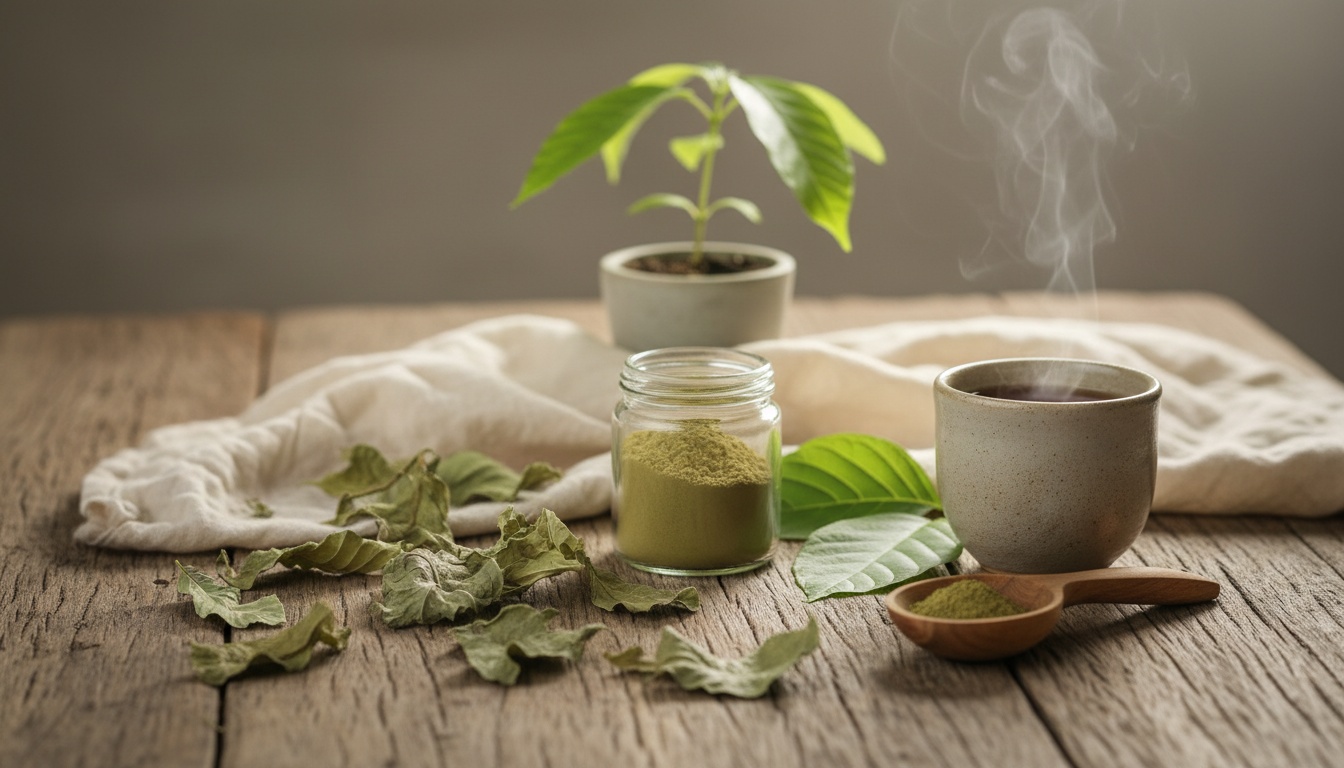
Kratom quality standards have come a long way. For years, the market was flooded with inconsistent products, but that’s changing as established vendors put real testing and sourcing protocols in place. This shift is reshaping how serious companies handle everything from farm partnerships to lab verification.
Growth in the organic kratom market has been striking, with projections putting its value at $5.69 billion by 2030, up from $1.87 billion in 2023. That growth brings more options for buyers, but it also makes separating genuine quality from clever marketing harder than ever.
What Organic Cultivation Actually Requires
Organic kratom starts with growing methods that skip synthetic pesticides, herbicides, and chemical fertilizers. Indonesian farmers have relied on these techniques for generations, working alongside the ecosystem instead of against it. Wild-harvested kratom sits at the top of this hierarchy — trees growing untouched in their native habitat develop the fuller alkaloid range that experienced users look for.
Harvesting technique matters just as much as how the plant is grown. Skilled farmers pick leaves at the right maturity stage, usually favoring older leaves with stronger alkaloid content. From there, harvest timing, drying method, and initial processing all shape what ends up in the final product.
Sustainable farming practices also support the communities growing kratom. Combining traditional knowledge with responsible harvesting protects forest ecosystems while giving farmers a stable source of income.
Why Lab Testing Deserves Real Scrutiny
Third-party lab testing remains the clearest signal of quality — but the testing landscape has its own problems buyers should know about. Roughly 15 to 25% of kratom entering the U.S. fails microbial screening, which is exactly why rigorous testing shouldn’t be treated as optional.
A thorough testing program typically covers:
- Microbial screening — checks for bacteria, yeast, mold, and other contaminants that can develop from improper storage or handling.
- Heavy metals testing — flags contamination that may come from soil conditions or processing equipment.
- Alkaloid profiling — confirms mitragynine levels and other compounds, helping ensure consistency from batch to batch.
Unfortunately, the industry has seen its share of counterfeit lab certificates and vendors who claim testing they never actually conducted. Careful buyers ask for recent certificates and confirm they were issued by a legitimate third-party lab. Genuine reports spell out testing methods, detection limits, and which batch was tested. If a report feels vague or generic, that’s a warning sign, not a formality.
Sourcing and Supply Chain Honesty
Direct relationships between vendors and Indonesian farmers form the backbone of consistent, ethical sourcing. Companies that build long-term partnerships with growers can actually verify cultivation and harvesting methods firsthand, rather than relying on middlemen who may cut corners or underpay producers.
This kind of direct sourcing lets vendors pay farmers fairly while maintaining tighter quality control from farm to warehouse. It’s a slower, more deliberate approach, but it tends to produce more reliable results than sourcing built purely around cost-cutting.
Real transparency means vendors share specifics — farm locations, harvest seasons, processing facilities. A company willing to disclose these details is usually confident in what’s behind its product. (If you’re new to buying kratom, our guide on finding reliable vendors walks through the basics step by step.)
GMP-certified facilities add another layer of assurance, since they require regular inspections and strict protocols for cleanliness and batch tracking. Earning that certification takes real investment, which is one reason it tends to separate serious vendors from the rest.
Understanding Strains and Product Types
Kratom’s traditional vein colors — red, green, and white — reflect differences in leaf maturity and drying time. Red vein comes from more mature leaves with longer drying periods. Green vein sits in the middle. White vein typically involves younger leaves and minimal drying.
Regional names like Bali, Maeng Da, or Borneo often point to a traditional growing area or method, but naming conventions have grown inconsistent across the industry. That makes vendor reputation and lab testing more useful guides than the strain name alone.
Good vendors go further, offering context on traditional uses, general alkaloid profiles, and customer feedback so buyers can make informed choices based on their own preferences.
Product variety also says something about a vendor’s priorities. Beyond raw powder, quality companies typically offer capsules, extracts, and other specialty formats. Capsules and tablets in particular are expected to see the fastest growth through 2030, driven by demand for convenient, pre-measured servings.
Processing Standards Behind the Scenes
What happens after harvest matters just as much as how the plant was grown. Traditional drying — using natural sunlight and airflow — helps preserve alkaloid content while limiting contamination risk. Many modern facilities now pair these traditional methods with closer monitoring of temperature and humidity to prevent mold or bacterial growth during drying.
Grinding and packaging need the same level of care. Reputable facilities use food-grade equipment, follow strict cleaning schedules, and track batches carefully.
Packaging choices affect shelf life too. Barrier materials that block moisture, light, and air help preserve potency over time. (See our guide on properly storing botanical products for more on keeping kratom fresh at home.)
Customer Support as a Quality Signal
How a company treats its customers often mirrors how it treats its product. Vendors that publish clear, honest educational content — rather than vague wellness promises — tend to take quality more seriously across the board.
Responsive customer service is another tell. Companies that answer questions promptly and handle concerns professionally usually run tighter operations overall. The same goes for return policies: a vendor confident in their product typically backs it with a reasonable guarantee.
Judging a Vendor’s Track Record
Online reviews can help, but look past generic five-star comments and focus on detailed, specific feedback from real customers. Membership in industry groups like the American Kratom Association can also signal a commitment to standards and compliance.
Longevity matters too. Vendors that have been operating for years, with a consistent reputation, tend to be safer bets than newer companies without a track record. The industry’s broader legitimacy has been growing as well — Bloomberg recognized kratom as a billion-dollar industry in 2024, and federal regulators have begun taking a more serious look at the plant. That kind of scrutiny tends to push standards higher across the board.
Warning Signs Worth Taking Seriously
A few red flags are worth watching for:
- Prices that seem too good to be true. Competitive pricing is normal, but costs far below the market average often mean corners were cut somewhere. (Our guide on spotting low-quality kratom covers this in more detail.)
- Overblown marketing claims. Vendors making sweeping wellness promises are usually more focused on sales than education.
- Missing or vague testing documentation. Legitimate companies are generally happy to share batch-specific test results.
- Sloppy websites or inconsistent communication. Operational carelessness in one area often shows up in product quality too.
Where Quality Standards Are Headed
The industry is maturing, and that trend shows no sign of slowing. Consumer demand for transparency keeps pushing vendors toward better practices, and regulation may eventually formalize standards that top vendors already follow voluntarily. Improvements in testing technology and supply chain tracking should make quality easier to verify over time.
As demand, industry leadership, and regulatory attention converge, today’s best practices are likely to become tomorrow’s baseline expectations. Buyers who understand these quality markers now will be better equipped to navigate that shift — and to consistently find products that meet their standards for purity, potency, and ethical sourcing.
Frequently Asked Questions
What makes kratom “organic,” and why does it matter?
Organic kratom is grown without synthetic pesticides, herbicides, or chemical fertilizers. Wild-harvested kratom represents the highest standard, since trees growing naturally in their native environment develop a fuller alkaloid profile.
How do I know if a vendor’s lab testing is legitimate?
Ask for recent certificates from a verifiable third-party lab. Look for specifics — testing methods, detection limits, and batch identification. Be cautious of vague reports or vendors reluctant to share documentation.
Why do prices vary so much between kratom vendors?
Pricing reflects differences in sourcing, testing, and processing standards. Very low prices often signal cut corners, while higher prices usually correspond to direct farmer relationships and rigorous quality control.
What’s the real difference between strains like “Bali” and “Maeng Da”?
These names often point to a growing region or traditional method, but naming has become inconsistent industry-wide. Vein color, vendor reputation, and lab testing are more reliable guides than the strain name alone.
Is it better to buy kratom online or in stores?
Online vendors generally offer more selection and stronger quality control, since they can maintain direct farmer relationships and invest in testing without the overhead costs that local retailers face.