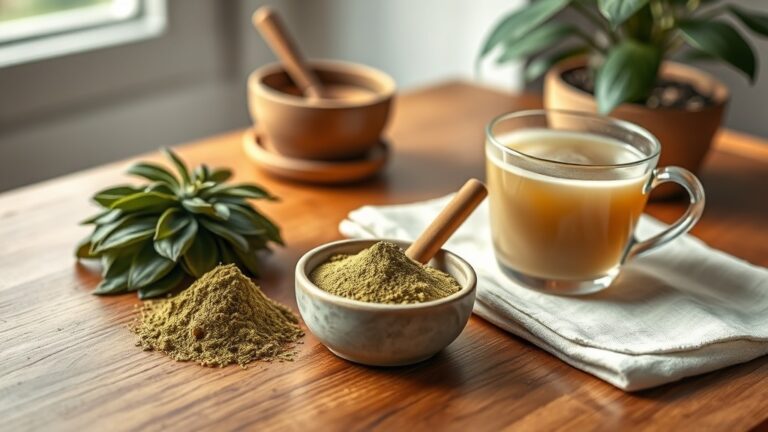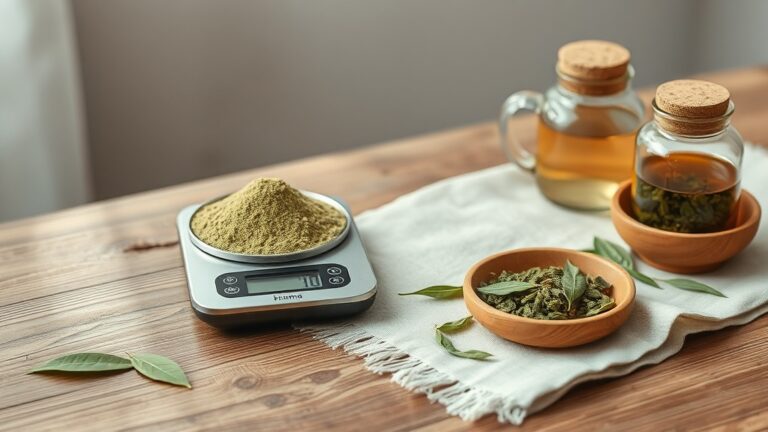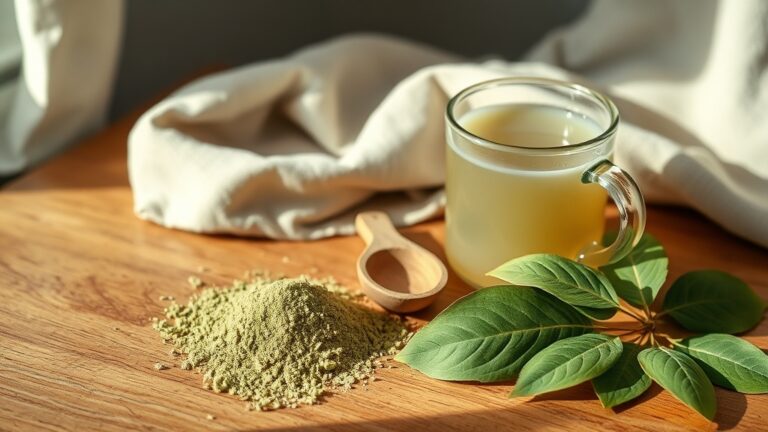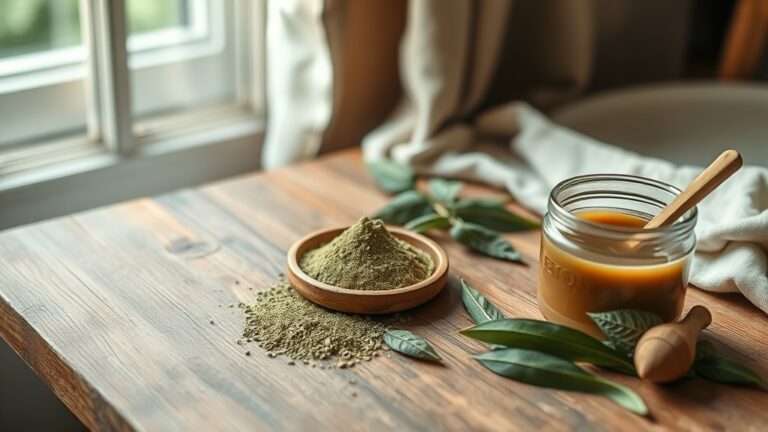




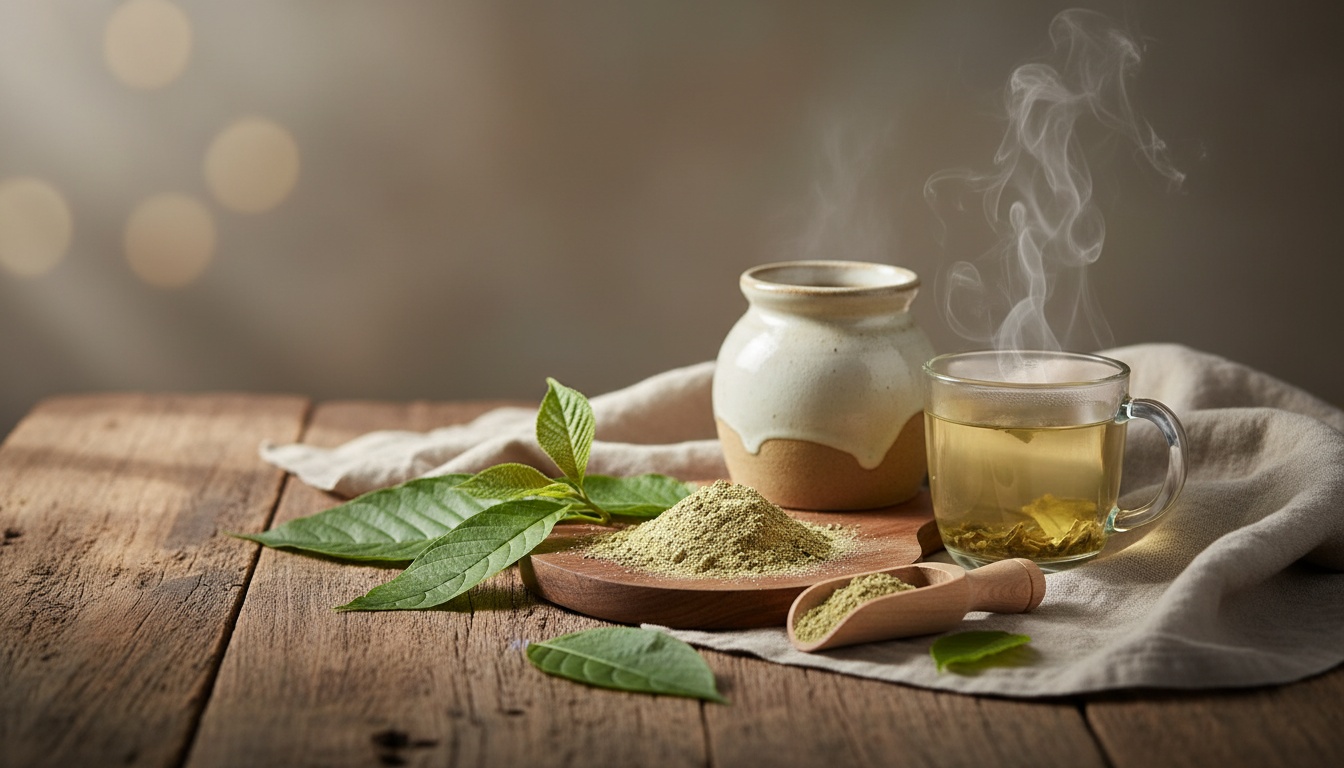
Kratom has become a lightning rod in fitness circles. Some lifters swear by it as a natural energy booster; others write it off as risky or overhyped. As with most supplement debates, the truth lives somewhere in the middle. Here’s what actually holds up when you look past the hype and the fear-mongering.
Myth: Kratom Is Just Another Stimulant
Kratom doesn’t work like caffeine. Caffeine blocks adenosine receptors to fight off fatigue signals. Kratom, on the other hand, contains more than 40 alkaloids, with mitragynine making up roughly two-thirds of that total. This mix of compounds is why many users describe kratom energy as smoother than a jittery caffeine rush.
The experience also depends heavily on dose and strain. White vein kratom, such as White Maeng Da, tends to feel energizing, while red strains lean toward calm and relaxation. This isn’t a one-note stimulant — it’s a botanical with a more layered effect profile.
Myth: All Kratom Works the Same
This assumption trips up a lot of first-time users, and it’s probably responsible for most of the bad reviews kratom gets in fitness spaces. Vein color and strain origin change the outcome significantly.
White strains are the go-to for energy. Green strains often strike a middle ground, offering steady focus and endurance. Some strains are better suited for long training sessions where sustained energy matters more than a quick spike. Red strains, meanwhile, are built more for recovery and unwinding after a workout than for firing you up beforehand.
Taking Red Bali before a lifting session and expecting a jolt of energy is a bit like brewing chamomile tea and hoping for a caffeine hit — it’s just not what that strain is designed to do. Knowing the differences turns kratom from guesswork into something you can actually plan around.
Myth: Kratom Kicks In Instantly
Pre-workout drinks and typical stimulant blends often start working within 15 to 20 minutes. Kratom takes longer. Most people notice effects beginning after 20 to 30 minutes, with the strongest impact showing up somewhere between 60 and 90 minutes later.
That means timing matters. If your workout starts at 6 PM, taking kratom at 5:55 won’t help you during your heaviest sets — you’d want to take it closer to 5:30 to hit peak effects when you need them most. On the plus side, kratom’s effects tend to last two to four hours, which can actually outlast many standard pre-workout formulas that fade halfway through a session. For people who want consistency, capsules are a simple way to keep dosing accurate and workouts predictable.
Myth: More Kratom Means Better Results
This is probably the most common — and most costly — misunderstanding. People assume that if a small dose gives them energy, a bigger dose will give them more energy. Kratom doesn’t work that way.
For stimulating effects, lower doses tend to be more effective. As the dose increases, kratom shifts toward sedation rather than energy. So for pre-workout use, starting small and adjusting gradually works far better than piling on more product. The goal isn’t finding the most you can tolerate — it’s finding the least you actually need.
Myth: Kratom Isn’t Safe for Physical Activity
This claim usually ignores kratom’s long history. In parts of Southeast Asia, laborers have used kratom for generations to manage physical strain and sustain energy through demanding manual work.
Much of the safety concern actually traces back to poor product quality, not the plant itself. Kratom that’s lab-tested and produced in GMP-certified facilities offers a level of consistency and purity that unregulated products simply can’t match.
That said, kratom can dull physical discomfort, and that’s worth taking seriously during weight training. It might help you push through a tough set, but it can also make it harder to notice when you’re nearing your limit. Using it responsibly means staying mindful of form and not letting that masking effect override good judgment.
Myth: Kratom Can Replace Every Other Pre-Workout Supplement
Standard pre-workout formulas usually target three things: energy, muscle growth, and fatigue resistance. Kratom mainly covers the energy piece, and possibly some comfort benefits — but it doesn’t provide the muscle-building support you’d get from creatine or the endurance boost from beta-alanine.
It works best as one piece of a broader supplement strategy, not a total substitute. Some people combine it with other products; others prefer to use it on its own. What works depends on your goals and how your body responds. Looking into how different botanicals interact can help you figure out the right combination for your routine.
Myth: All Kratom Products Are the Same Quality
This is where things get messy. Kratom sold at a gas station counter and kratom from a lab-tested, wild-harvested batch processed in a GMP-certified facility are not remotely comparable.
Alkaloid content can vary widely depending on where the kratom was grown, how it was harvested, and how it was processed. Without consistency, you can’t reliably predict how a product will affect you from one purchase to the next.
Third-party lab testing tells you what’s actually in the product. Reliable sourcing keeps that quality consistent over time. These details are what separate a dependable supplement from a frustrating gamble — and with kratom, quality control matters more than with almost any other product in this category.
Why Kratom Is Showing Up in Fitness Circles
The pre-workout supplement market is expected to grow substantially in the coming years, fueled largely by demand for natural and plant-based ingredients. That shift toward cleaner formulas is a big part of why kratom has found its way into gyms and fitness communities.
But a growing market doesn’t mean guaranteed results for every individual. Kratom works well for some people in a fitness context and does nothing for others. What matters is understanding what it actually does, rather than relying on marketing claims.
What to Actually Expect
Kratom offers an alternative for people looking to move away from synthetic stimulants. It can provide steady energy, comes with naturally occurring minerals and antioxidants, and has a long track record of use in physically demanding settings.
That said, it takes some trial and error to find the right strain and dose for your body. It won’t make up for poor sleep, bad nutrition, or inconsistent training. And it simply doesn’t affect everyone the same way.
Used thoughtfully, kratom can be a useful addition to a fitness routine for some people. It’s not a miracle supplement, and it’s not the danger some critics make it out to be either. Knowing the facts — instead of the myths — puts you in a better position to decide if it fits your training and your lifestyle.
Frequently Asked Questions
How long before a workout should I take kratom?
Aim for 30 to 45 minutes ahead of time. Effects usually start within 20 to 30 minutes and peak around the 60 to 90 minute mark.
Which strains work best for pre-workout energy?
White vein strains like White Maeng Da and White Borneo are popular choices for energy. Some green strains, such as Green Thai, work well too.
Can I combine kratom with other pre-workout supplements?
Yes, some people do, but it’s smart to start slowly. Avoid pairing it with high-caffeine products right away until you know how your body reacts.
Is kratom better than a traditional pre-workout?
It’s different, not necessarily better. Kratom offers smoother energy without the jitters and comes with some natural minerals, but it lacks muscle-building ingredients like creatine.
How do I know if it’s working?
Look for better focus, steady energy, and possibly more motivation to train. Results vary depending on the person, the strain, and the dose.