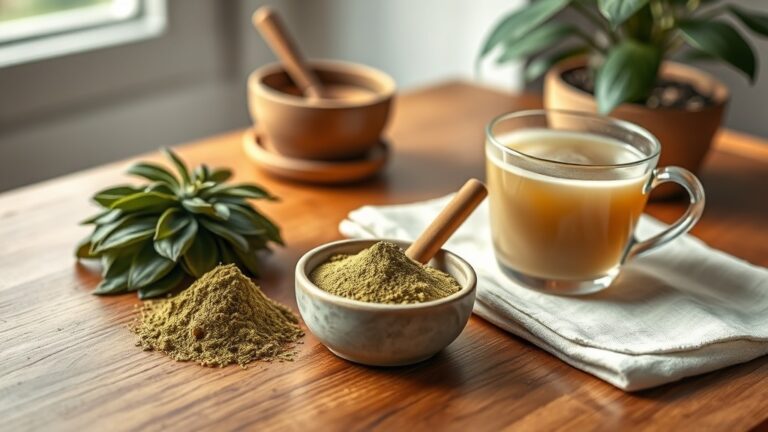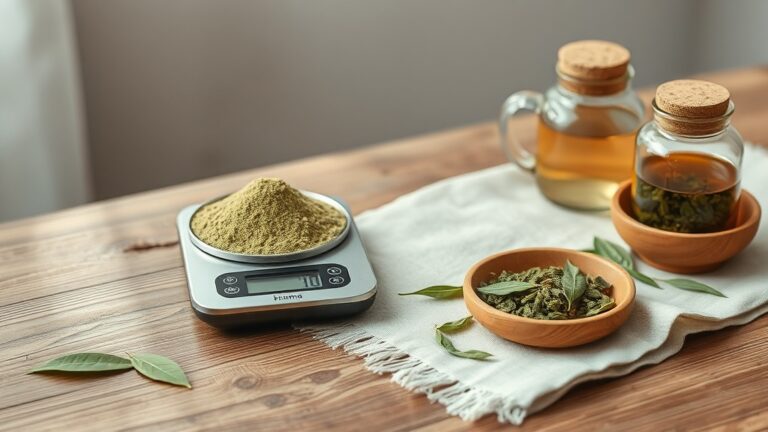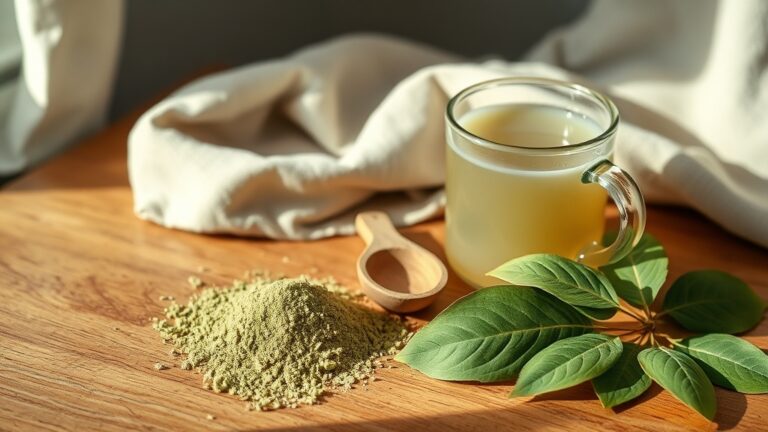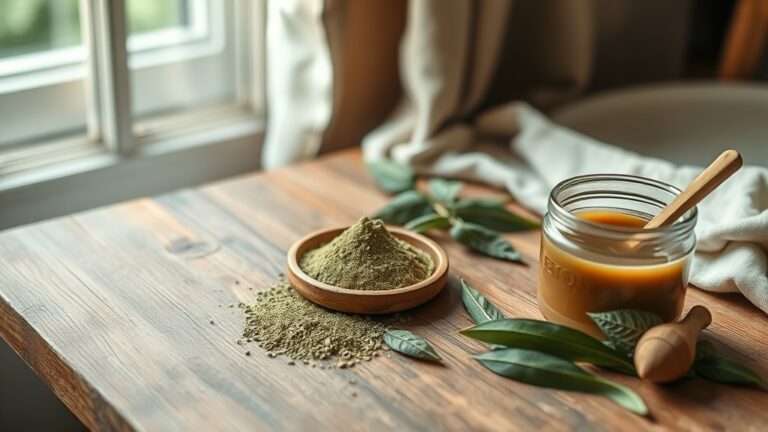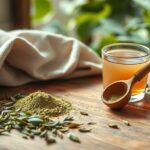

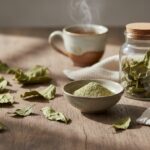


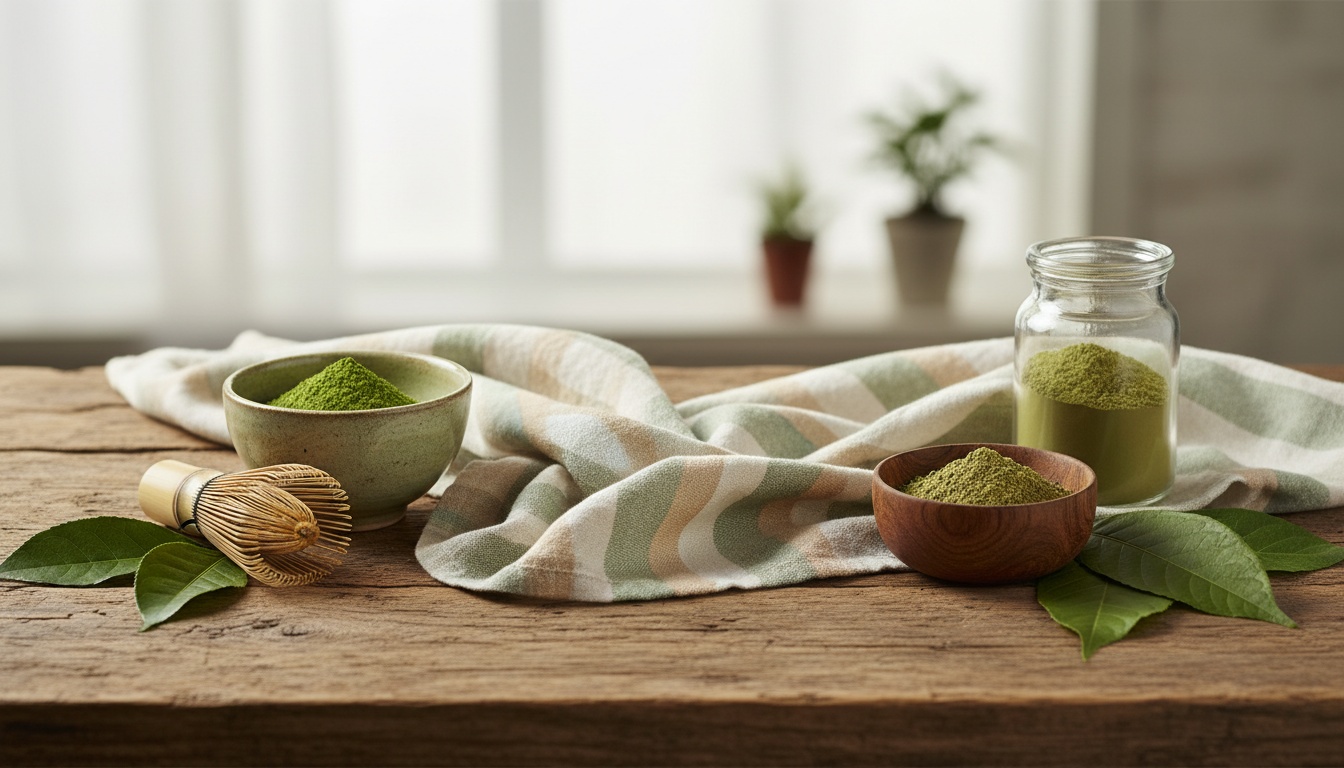
Two green powders, two very different stories. Kratom and matcha both come from plants with long histories, both attract loyal users, and both get marketed as natural wellness tools. But once you look past the color, they have almost nothing in common.
Kratom use has grown quickly in recent years, and matcha has seen steady growth of its own. That popularity is where the similarities end. Here’s a closer look at what actually separates these two botanicals — and why the choice between them matters more than it might seem.
Where They Come From
Kratom grows wild in the tropical forests of Southeast Asia. The tree behind it, Mitragyna speciosa, reaches impressive heights across Thailand, Malaysia, and Indonesia, where people have harvested its leaves for generations. Field and plantation workers traditionally chewed the fresh leaves to get through long workdays, and the practice became part of the region’s social fabric.
Matcha has a completely different backstory. Japanese Buddhist monks developed it back in the 12th century after finding that grinding shade-grown tea leaves into powder made a strong, focused drink well-suited to meditation. Growers still cover the tea plants with bamboo mats for weeks before harvest — a step that raises chlorophyll levels and gives matcha its bright green color.
How They Look and Feel
Kratom’s appearance changes a lot depending on strain and processing. Red vein varieties run deep reddish-brown, green strains stay brighter, and white vein kratom looks pale, almost washed out. Rub it between your fingers and it feels fine but a bit gritty.
Matcha, by contrast, is consistent. Good ceremonial-grade matcha has a uniform jade color with no brown or yellow tint, and the powder feels almost weightless and silky. Lower-grade matcha looks duller and grainier — a sign it’s meant for cooking, not for whisking into tea.
Price Differences
Kratom prices swing widely depending on strain, processing, and how trustworthy the vendor is. Bulk powder from reputable sellers who provide lab testing usually runs $80–150 per kilogram. Extracts cost more because of the concentration process, and capsules add a small premium for convenience — though they do solve the taste problem.
Matcha pricing reflects a different kind of craftsmanship. Ceremonial-grade matcha, which involves shade-growing, hand-harvesting, and slow stone-grinding, typically costs $30–100 for a 30-gram tin. Culinary-grade matcha, meant for cooking and baking rather than tea ceremonies, runs closer to $10–20 for the same amount.
Taste
Kratom is bitter — intensely so. That bitterness comes from the alkaloids in the leaf, and most people find it hard to get past on its own. Common workarounds include mixing the powder into orange juice, chocolate milk, or honey, or skipping the taste altogether with capsules.
Matcha’s flavor is more forgiving and varies with quality. Ceremonial grades tend to be smooth and lightly sweet, with a savory, umami edge. Cheaper grades can taste grassy or harsh. The amino acid L-theanine, found naturally in matcha, plays a role in that smoother flavor and in the calm, steady feeling many people associate with it.
Dosing
Kratom dosing takes some trial and error. New users often start with 2–3 grams to see how their body responds. Lower amounts tend to feel more energizing, while larger amounts lean toward sedation. As kratom’s user base has grown substantially in the U.S. over the past few years, a fair amount of shared knowledge around dosing has built up within the community. Experienced users sometimes take 5–8 grams, depending on what they’re after.
Matcha is simpler. A standard serving is 1–2 grams whisked into hot water, delivering roughly as much caffeine as a cup of coffee — but with a steadier, longer-lasting lift instead of a crash. Most people can drink it more than once a day without building the kind of tolerance associated with kratom.
What’s Actually in Them
Kratom contains more than 40 alkaloids, with mitragynine and 7-hydroxymitragynine doing most of the work. These compounds interact with receptors in ways researchers are still working to fully understand, and that complexity means effects can vary a lot from person to person — and even from one day to the next for the same person.
Matcha’s chemistry is more straightforward: caffeine, L-theanine, and a group of antioxidants called catechins (EGCG being the main one). Together they produce a calm, focused kind of alertness without the jitteriness some people get from coffee. The L-theanine slows how quickly caffeine hits your system, which smooths out the energy curve and helps it last longer.
Safety
Kratom comes with more to watch out for. Regular use has been linked to side effects like nausea and constipation, and dependency is a real concern with heavy or frequent use. It can also interact with medications that affect the central nervous system. Because quality varies so much from vendor to vendor, third-party lab testing matters a lot here.
Matcha is low-risk for most people. Drinking too much can bring on caffeine-related issues — jitters, trouble sleeping, an upset stomach — but serious problems are rare. Allergic reactions can happen, though they’re uncommon, mostly among people already sensitive to tea plants.
Legal Status
Kratom’s legal situation is messy and still changing. Some countries ban it outright, others regulate it closely, and U.S. states range from full bans to no restrictions at all. The DEA continues to keep an eye on it. That uncertainty affects everything from product availability to pricing and quality control.
Matcha, on the other hand, is legally straightforward almost everywhere — it’s simply a food product. That status means more consistent quality, more reliable supply, and steadier prices, which makes buying it a much simpler decision.
Cultural Roots
Kratom’s history is tied to Southeast Asian work culture — something worth keeping in mind if you’re approaching it for the first time. Its traditional role in supporting physical labor and community life still shapes how people use and talk about it today.
Matcha carries centuries of Japanese tea ceremony tradition built around mindfulness and ritual. For a lot of users, that sense of ceremony adds something to the experience beyond just the caffeine.
Which One Fits You
These two botanicals really do serve different needs. Kratom might appeal to people who want a range of effects and don’t mind dealing with more complexity and legal gray areas. Matcha fits people who want dependable, gentle energy backed by a long cultural tradition and clear legal standing.
Whichever you choose should come down to your own risk tolerance, local laws, and what kind of experience you’re looking for. Both can offer real value when used carefully and sourced from reputable suppliers. Either way, knowing what you’re putting in your body — its origins, its effects, and its risks — is the best way to make sure the experience goes well.
Frequently Asked Questions
Can you mix kratom and matcha?
It’s not recommended. They work through different mechanisms, and combining them could produce unpredictable effects.
Which is better for beginners?
Matcha, generally. It’s more predictable, more widely legal, and lower-risk. Kratom takes more research and caution before diving in.
How long do the effects last?
Matcha’s effects typically last 3–4 hours with a smooth energy curve. Kratom’s effects range from 2–6 hours depending on dose, strain, and the individual.
Do both require tolerance breaks?
Kratom users often need periodic breaks to keep it effective. Matcha rarely requires this, though some people cycle their caffeine intake anyway.
Which costs more over time?
It depends on quality, but rough daily costs run $1–3 per serving for matcha and $2–5 per dose for kratom.
Are there drug interactions to worry about?
Kratom can interact with medications that affect the central nervous system. Matcha’s interactions are minor but possible for people sensitive to caffeine. Check with a healthcare provider either way.
Which has better quality control?
Matcha, thanks to its status as a regulated food product. Kratom quality varies a lot by vendor, so lab testing and a trustworthy source really matter.