

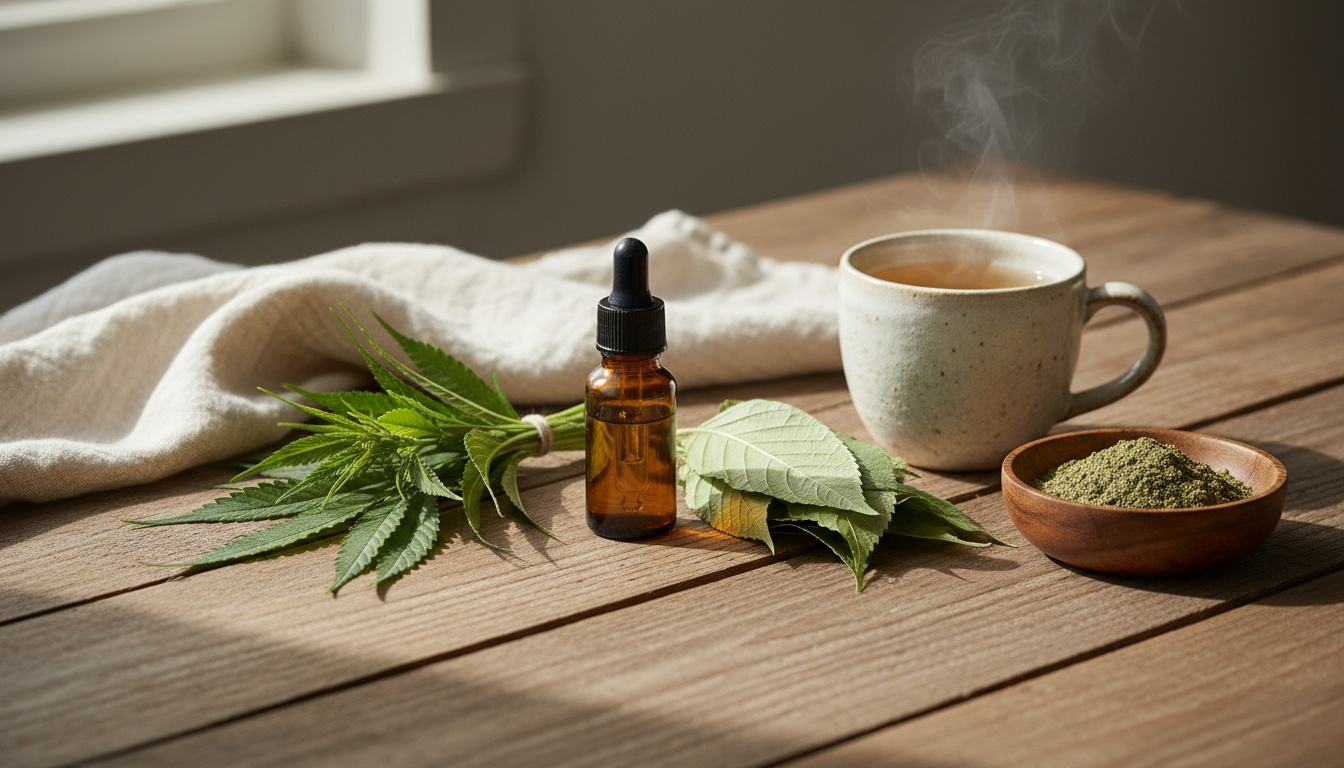
Anyone browsing the natural wellness aisle eventually runs into the same question: CBD oil or a traditional botanical like kratom? Both are plant-derived, both have loyal followings, and both get lumped together under the “natural wellness” umbrella. But they come from different plants, work through different pathways in the body, and suit different situations.
This guide breaks down how CBD oil and kratom actually differ, what separates a quality product from a mediocre one, and what to weigh before choosing either one.
The Basics: Two Different Plants, Two Different Paths
CBD Oil Comes From Hemp
CBD, short for cannabidiol, is extracted from hemp plants bred specifically to keep THC content under 0.3%. Once in the body, CBD interacts with the endocannabinoid system — a network of receptors involved in regulating things like mood, sleep, and stress response. People who use CBD oil often say it helps them feel more settled or balanced during the day.
Hemp farming for CBD has grown more standardized over the years, with many growers following agricultural practices designed to keep cannabinoid levels consistent from batch to batch. Extraction is usually done with CO2 or ethanol, methods that isolate CBD while leaving behind unwanted plant material.
Kratom Represents an Older Tradition
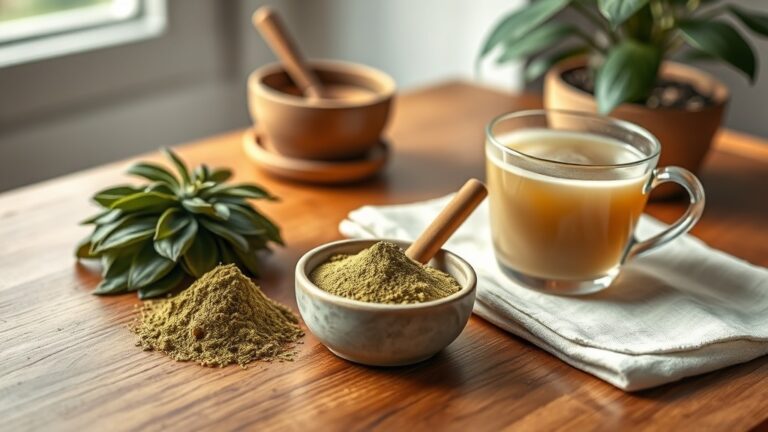
Kratom is probably the best-known example of a traditional botanical wellness product. It comes from Mitragyna speciosa, a tree native to Southeast Asia, where communities have used it for generations.
Kratom’s active compounds — mitragynine and 7-hydroxymitragynine — work differently than CBD. They interact with alkaloid receptors in the brain rather than the endocannabinoid system. Kratom strains are typically grouped by vein color (red, green, white), and each color is associated with a different kind of experience, ranging from energizing and focused to calming and relaxed.
Side-by-Side Snapshot
| Aspect | CBD Oil | Kratom |
|---|---|---|
| Source | Hemp (Cannabis sativa) | Mitragyna speciosa tree |
| Main compounds | Cannabidiol | Mitragynine, 7-hydroxymitragynine |
| How it works | Endocannabinoid system | Alkaloid receptors |
| Common forms | Oils, tinctures, capsules, gummies | Powder, capsules, extracts, teas |
| Onset | 30–90 minutes | 15–45 minutes |
| Duration | 4–6 hours | 3–5 hours |
What Actually Makes a Product “Quality”
Whichever direction you lean, quality matters more than the category itself. Both CBD and kratom products vary enormously depending on how they’re sourced, processed, and tested — and the differences between a good brand and a bad one can be significant.
Signs That Apply to Both
Lab testing. Trustworthy companies publish a certificate of analysis (COA) for every batch. A good COA shows:
- Potency and compound levels (cannabinoids or alkaloids)
- Confirmation that the product is free of heavy metals, pesticides, and microbial contamination
- Residual solvent testing for anything that went through extraction
- Moisture content and general purity
If you want a closer look at what to check before buying kratom specifically, there are guides that walk through identifying premium kratom step by step.
Sourcing transparency. Solid vendors don’t hide where their product comes from. They can tell you about their growing regions, farming partners, and harvesting methods without hesitation.
Manufacturing standards. GMP (Good Manufacturing Practice) certification means a facility follows pharmaceutical-grade production rules — everything from equipment upkeep to staff training to quality checks.
What to Look for in CBD Oil Specifically
Pay attention to the extraction method (CO2 tends to be the cleaner option), whether the product is full-spectrum or isolate, and what carrier oil is used. Hemp grown domestically is generally easier to trace back to its source than imported hemp.
What to Look for in Kratom Specifically
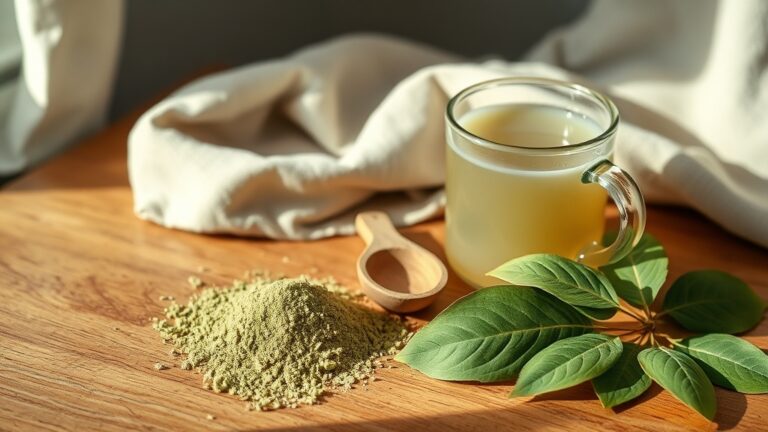
Good kratom has vibrant color matching its vein type, a fine consistent texture, and a fresh, earthy smell. Steer clear of anything dull-looking, gritty with stems and debris, or musty-smelling. Kratom sourced from established farms in Indonesia — often wild-harvested — tends to have a stronger, more consistent alkaloid profile than mass plantation-grown versions.
Quick Quality Checklist
- Recent COA available on request
- Clear, specific sourcing details
- GMP-certified manufacturing
- Responsive customer service
- Packaging that actually protects the product
- Pricing that’s reasonable — extremely cheap products are a red flag
It also helps to know the warning signs of a bad product before you buy, so you’re not stuck with something ineffective.
Safety and Legal Notes
CBD Oil
CBD tends to have a mild side-effect profile. Some people notice drowsiness, dry mouth, or a shift in appetite, especially early on or when adjusting a dose. It can interact with certain medications, so it’s worth checking with a doctor before starting, particularly if you’re on prescription drugs.
Kratom
Kratom calls for more caution around dosage and how often you use it. Effects vary a lot depending on strain, amount taken, and individual body chemistry, so starting small is the safer approach. Some users find that regular use builds tolerance, and cutting back after extended use can bring on uncomfortable symptoms. That’s part of why many experienced users rotate strains and take periodic breaks.
Legal Status
CBD oil is legal in most states as long as it’s hemp-derived and stays under 0.3% THC, though rules are still shifting in some places. Kratom’s legal status is far less consistent — it’s legal at the federal level, but a number of states and cities have banned or restricted it. Check your local laws before buying either product, but especially kratom.
Which One Fits You?
Think About Your Goal
What are you actually trying to get out of this? CBD and kratom serve different purposes, so start with your own wellness goal rather than picking based on hype.
Consider Your Comfort Level
CBD oil is generally the gentler entry point — many users describe its effects as subtle. Kratom tends to produce more noticeable effects, so it may suit people who are already comfortable with stronger botanical experiences.
Weigh the Practical Stuff
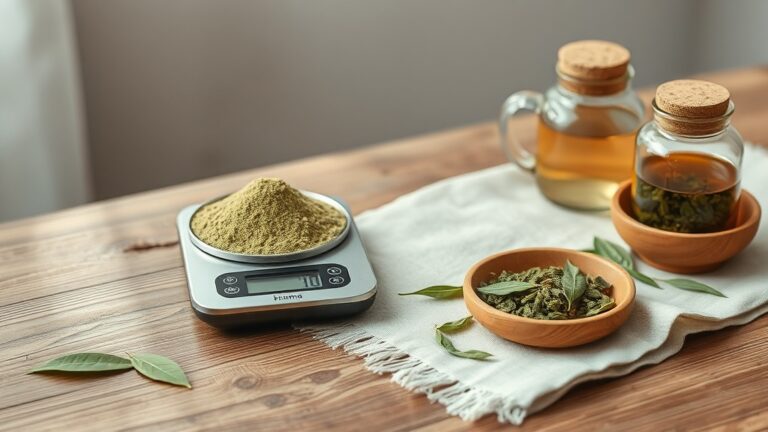
- Convenience: CBD tinctures and capsules make dosing simple. Kratom powder is flexible but needs measuring.
- Discretion: CBD blends easily into a routine. Kratom has a distinct taste and preparation process that’s harder to disguise.
- Cost: Compare price per serving, not just the sticker price on the package.
- Availability: Factor in your local legal status and whether you have access to a reliable supplier.
Start Small, No Matter What
Whichever you choose, begin with a low amount. Body weight, metabolism, and individual sensitivity all affect how someone responds, and there’s no way to predict your reaction in advance.
The Market Is Getting More Transparent
The wellness industry as a whole is shifting toward higher standards, largely because consumers are asking better questions. As more people learn to spot lab testing, sourcing transparency, and proper manufacturing, companies have an incentive to improve.
This works in the consumer’s favor. Every time someone chooses a vendor that publishes COAs and discloses its sourcing, it nudges the whole market toward better practices. Reviews, community discussions, and educational resources all play a part in helping people recognize quality and avoid it when it’s missing.
Common Questions
Can CBD oil and kratom be used together?
Some people combine them, but interactions aren’t well understood, and individual responses vary. Check with a healthcare provider first.
How do I spot a quality product quickly?
Look for a recent COA, clear sourcing info, GMP certification, and a company that’s willing to answer questions directly.
What’s the difference between full-spectrum and isolate CBD?
Full-spectrum keeps other natural compounds from the hemp plant intact, which some believe creates a stronger combined effect. Isolate is pure CBD with nothing else, which some prefer for predictability.
Are all kratom strains the same?
No. They’re grouped by vein color and growing region (Bali, Maeng Da, and others), and each is associated with different effects — some more energizing, some more calming.
Does where the plant is grown matter?
Yes, for both. Domestic hemp is usually easier to trace. Kratom grown in its native Southeast Asian regions tends to have a stronger alkaloid profile thanks to the climate and soil it’s adapted to.
Final Thoughts
There’s no universal right answer between CBD oil and botanicals like kratom — the decision comes down to your goals, your tolerance for stronger effects, and practical factors like cost and legality where you live.
What matters most, regardless of which path you take, is quality. Lab testing, honest sourcing, and proper manufacturing are what separate a good product from a disappointing one. Start with a small amount, pay attention to how your body responds, and talk to a healthcare professional if you have questions — especially if you’re managing a health condition or taking medication.
This article is for educational purposes only and isn’t meant to diagnose, treat, or prevent any condition. Always check with a qualified healthcare provider before adding something new to your routine.